
Beautiful Plants For Your Interior
Beautiful Plants For Your Interior
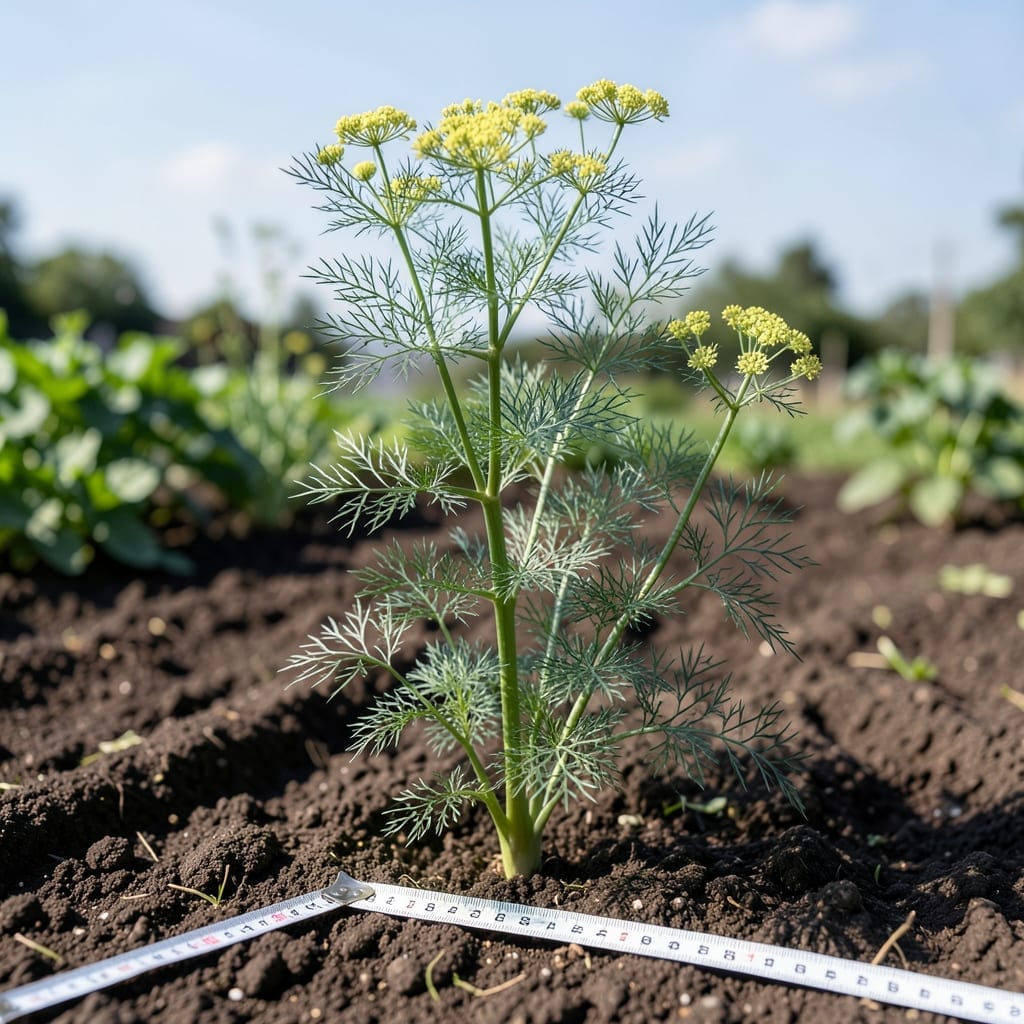
Dill is a versatile herb that thrives with the right spacing, but crowding its delicate foliage can stunt growth and reduce flavor. Whether you’re planting in rows, containers, or raised beds, proper spacing ensures healthy, abundant harvests.
I’ve learned the hard way that 🌿 Dill needs room to reach its 2-3 ft potential. Too close together, and you’ll get weak, spindly plants. Too far apart, and you’re wasting valuable garden space.
Let me show you how to strike the perfect balance. With the right approach, you’ll be harvesting fresh dill all season long without the guesswork.
Discover the simple spacing secrets that will transform your dill patch from struggling to thriving in no time.


Getting the spacing right is crucial for healthy dill plants. In garden beds, I recommend 12-18 inches between each plant. This gives the feathery foliage room to spread without competing for light or nutrients.
The tall, slender stems of dill can reach 3-4 feet at maturity. Crowding them too closely leads to weak growth and poor air circulation, which invites disease. Trust me, your plants will thank you for the extra space.
| Spacing Type | Requirement |
|---|---|
| Plant-to-Plant | 12-18 inches |
| Row Spacing | 24-36 inches |
| Mature Height | 3-4 feet |
| Soil Depth | 12-18 inches |
For row planting, space rows 24-36 inches apart. This allows for easy access during harvesting and maintenance while ensuring proper airflow between plants.
Dill thrives in well-draining soil with a pH of 5.5-6.5. If your soil is heavy or clay-like, amend it with compost before planting. This improves root development and overall plant health.
I’ve found that successive planting works well with dill. Sow new seeds every 2-3 weeks for a continuous harvest throughout the growing season. Just
The feathery leaves of dill can grow quite large, so don’t be tempted to squeeze in extra plants. Each one needs its own space to reach its full potential and produce the aromatic foliage we love.
Proper spacing also makes companion planting easier. Dill pairs well with cabbage, lettuce, and cucumbers. Just ensure these companions don’t encroach on your dill’s growing area.
If you’re working with limited space, consider vertical gardening. While dill isn’t a climbing plant, you can use tall containers or raised beds to maximize your growing area without sacrificing spacing.
Remember, these spacing guidelines are for standard dill varieties. If you’re growing dwarf types, you can reduce the spacing slightly, but I’d still recommend at least 8-12 inches between plants. 🌿
When space is limited, container gardening offers a great alternative for growing dill. I’ve successfully grown dill in pots on my patio, and the key is choosing the right container size and spacing.
For standard dill varieties, select a container that’s at least 12 inches deep and 12-18 inches wide. This provides enough room for the taproot to develop properly and prevents the plant from becoming root-bound.
If you’re growing multiple dill plants in a single long container, space them 12-18 inches apart, just as you would in a garden bed. This spacing ensures each plant has enough room to mature without competing for resources.
Dwarf dill varieties, like ‘Fernleaf’, can thrive in slightly smaller containers, but I still recommend a minimum 8-inch diameter pot per plant. These compact varieties typically reach 18-24 inches in height, making them ideal for balcony gardens.
Remember that container-grown dill may require more frequent watering than garden-planted dill, as pots dry out faster. Check the soil moisture daily and water when the top inch feels dry. 🌱
Companion planting in containers is possible but requires careful planning. Pair dill with shallow-rooted plants like lettuce or radishes, but ensure they don’t overshadow your dill or compete for space.