
Beautiful Plants For Your Interior
Beautiful Plants For Your Interior
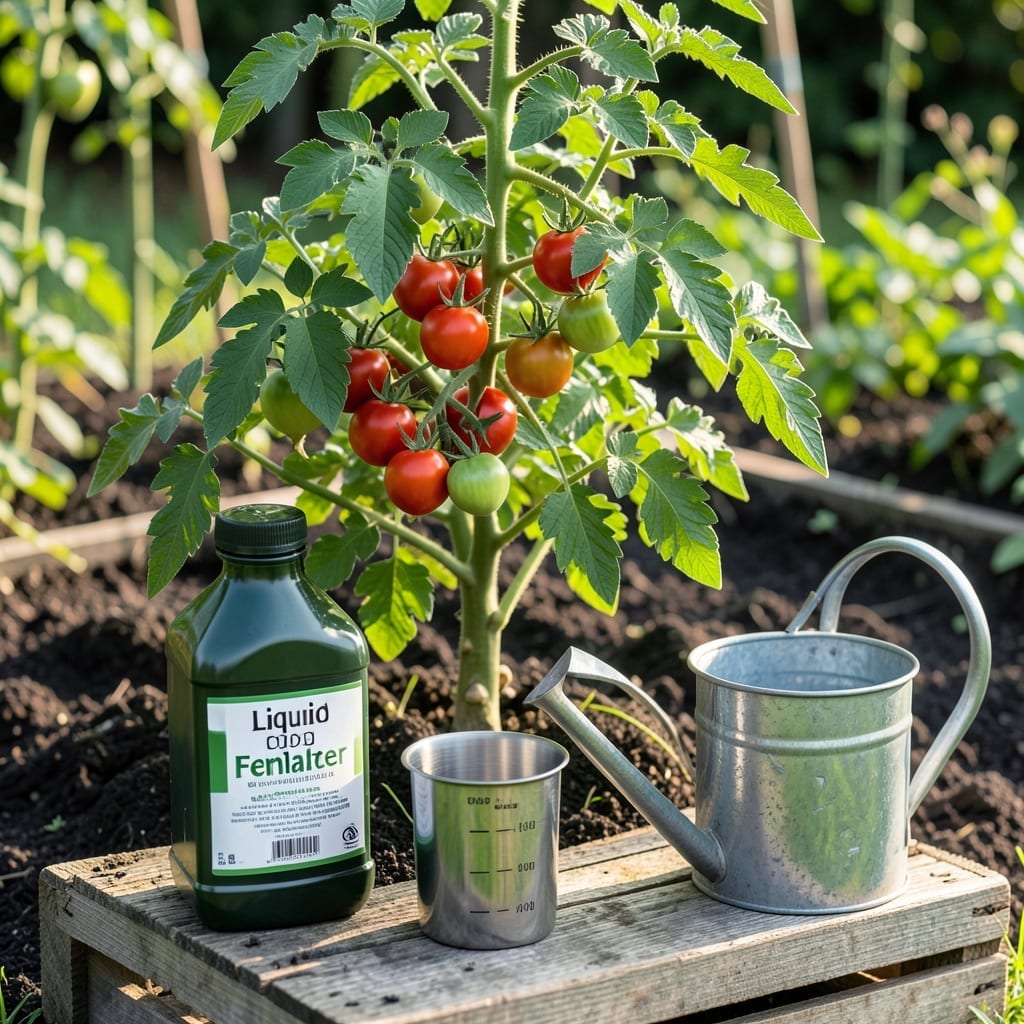
Using too much or too little liquid fertilizer can make the difference between thriving General 🌱 and a struggling garden. This guide will help you get the dosage right.
I’ve seen many gardeners waste time and money by guessing their fertilizer amounts. What if you could measure with confidence every time?
Discover the simple method to apply the perfect amount for healthy growth without the guesswork. Let’s get started.
Getting the liquid fertilizer dosage right is crucial for healthy plant growth. Too much can burn roots, while too little leaves plants undernourished. I always start with the manufacturer’s instructions as my baseline.
Different plant types have varying needs. Vegetables often thrive on a balanced 10-10-10 formula, while flowering plants may prefer higher phosphorus. Let’s break it down by category.
| Plant Type | Dosage (per gallon) | Frequency | NPK Ratio |
|---|---|---|---|
| Vegetables | 1 tbsp | Every 2 weeks | 10-10-10 |
| Flowers | 1 tsp | Weekly | 5-10-5 |
| Houseplants | ½ tsp | Monthly | 20-20-20 |
| Trees/Shrubs | 2 tbsp | Monthly | 12-6-6 |
For leafy greens like lettuce and spinach, I use a weaker solution – about ½ the recommended strength. These plants are sensitive to nitrogen burn and prefer gentle feeding.
Flowering plants like roses and petunias benefit from higher phosphorus during bud formation. I switch to a 7-9-5 ratio in early spring to encourage blooming. This small adjustment makes a big difference.
With houseplants, I always dilute more than directed. Their confined root systems can’t handle strong concentrations. A ¼ strength solution works well for most tropical varieties in my experience.
For fruit trees and berry bushes, I use a higher potassium formula like 12-12-17. This supports fruit development and disease resistance. I apply it every 3-4 weeks during growing season.
Seedlings need special care. I use a very diluted mix – about ¼ strength of the standard dose. Their tender roots can’t handle full-strength fertilizer. I also water before fertilizing to prevent shock.
Remember, these are general guidelines. Always check your specific plant’s needs and adjust based on soil conditions. When in doubt, it’s better to under-fertilize than overdo it.
I’ve found that early morning is the best time to apply liquid fertilizer. This gives plants time to absorb nutrients before the heat of the day sets in.
Adjusting your liquid fertilizer amounts at each growth stage ensures optimal plant health. I’ve learned that seedlings and mature plants have vastly different needs. Getting this right prevents damage and promotes vigorous growth.
Early stages require gentler feeding, while established plants can handle stronger solutions. Let’s explore how to tailor your approach for each phase of development.
During the seedling stage, I always water first before applying fertilizer. This prevents nutrient shock to delicate roots. A balanced 10-10-10 at ¼ strength works well for most young plants.
Once plants enter vegetative growth, I switch to a higher nitrogen formula like 20-10-10. This supports leaf and stem development. I apply it every 10-14 days for best results.
For flowering or fruiting, I use a low-nitrogen mix such as 5-10-10. This encourages blooms and fruit rather than foliage. Weekly feeding at full strength gives my plants the boost they need.
As plants prepare for dormancy, I gradually reduce fertilizer. By late fall, I stop entirely to let plants rest. This mimics natural growth cycles and prevents stress.
I always monitor plant response after adjusting fertilizer. Yellow leaves may signal over-fertilization, while pale growth suggests under-fertilization 🌱