
Beautiful Plants For Your Interior
Beautiful Plants For Your Interior
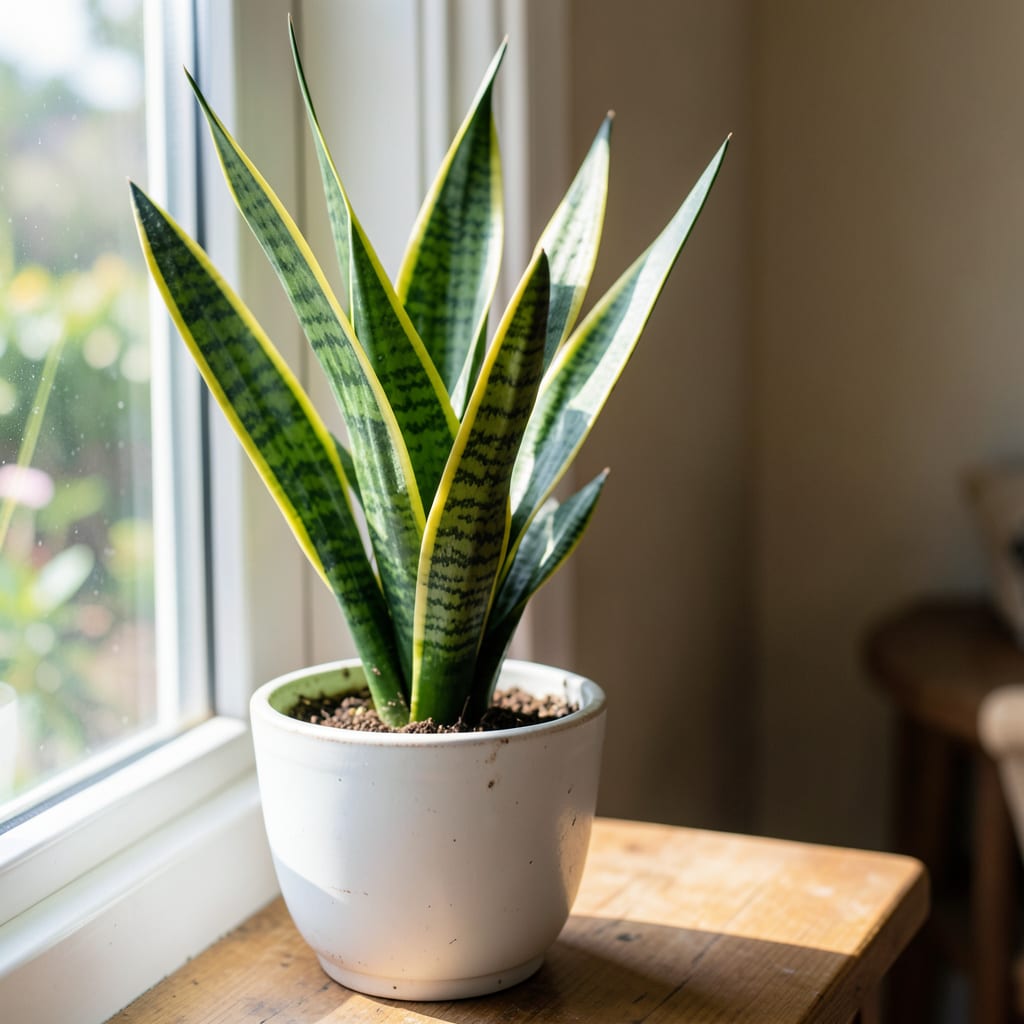
I’ve always been fascinated by how a simple change in lighting can transform my Indoor Plant 🏠. The right amount of light is crucial for healthy growth, but figuring out what that means can be tricky.
Let’s explore how to determine the perfect light conditions for your Indoor Plant in General, USDA Zone 6, to keep it thriving.

I’ve found that understanding the light requirements of different indoor plants is crucial for their survival and healthy growth. Different plants have varying needs when it comes to light, and knowing these needs can make all the difference.
The amount of light an indoor plant needs depends on several factors, including the type of plant, its natural habitat, and the time of year. Some plants are adapted to low-light conditions, while others require bright, direct light to thrive.
Some popular indoor plants that can tolerate low-light conditions include Chinese Evergreen, Pothos, and Snake Plants. These plants are perfect for rooms with limited natural light, such as basements or offices. 🌿
On the other hand, plants like Succulents and Cacti require bright, direct light to photosynthesize and grow. These plants are ideal for sunny windowsills or south-facing windows.
It’s also important to consider the duration of light exposure when determining the light requirements of your indoor plants. Most plants need a certain amount of darkness to rest and recover from the day’s activities.
In addition to the type and duration of light, the intensity of light is also crucial. Some plants can tolerate intense, direct sunlight, while others prefer gentler, indirect light.
To ensure your indoor plants receive the right amount of light, you can use a light meter or simply observe your plants’ responses to different lighting conditions. 🌟
Some plants may require supplemental lighting**, such as LED grow lights, to thrive in low-light environments. This is especially true for plants that require a lot of light, like Bromeliads and Orchids.
By understanding the specific light requirements of your indoor plants, you can provide them with the best possible conditions for growth and health. 🌱
It’s also worth noting that light requirements can change over time, depending on factors like the plant’s growth stage and the time of year. Be prepared to adjust your lighting accordingly to keep your plants thriving.
Overall, providing the right amount of light is just one aspect of caring for your indoor plants. By combining proper lighting with other essential care practices, like watering and fertilizing, you can help your plants reach their full potential. 🌻
I’ve found that determining the right amount of light for your indoor plants can be a bit tricky, but there are some practical tips that can help. Assessing the light conditions in your home is crucial to matching them to your plants’ needs.
First, let’s talk about the different types of light your plants might need. Some plants require direct sunlight, while others prefer indirect sunlight. Direct sunlight is ideal for plants that need a lot of light, such as Succulents and Cacti. 🌵
To determine the right amount of light for your plants, observe the window direction and the duration of sunlight it receives throughout the day.
To assess the light conditions in your home, you can use a simple technique: observe the light in different parts of your home throughout the day. Take note of the intensity and duration of the light. 🔍
You can also use a light meter to measure the exact amount of light your plants are receiving. This can be especially helpful if you’re unsure about the light conditions in your home.
Another important factor to consider is the time of year. During the winter months, the days are shorter, and the sun is lower in the sky, which means your plants may need more supplemental lighting. ❄️
In contrast, during the summer months, the days are longer, and the sun is higher in the sky, which means your plants may need more shade to prevent scorching. ☀️
By understanding the light conditions in your home and matching them to your plants’ needs, you can provide your plants with the best possible conditions for growth and health. 🌱
Some other tips to keep in mind include: using sheer curtains to filter direct sunlight, moving plants to different locations to optimize light exposure, and rotating plants regularly to ensure even growth. 🌻
By following these practical tips, you can help your indoor plants thrive and enjoy the many benefits they provide. 🌿
I’ve seen firsthand how incorrect light exposure can affect indoor plants. Too much or too little light can cause a range of problems that can be detrimental to their health.
When plants receive too little light, they may become leggy or weak, with slow growth and pale leaves. This is because they’re not able to undergo photosynthesis efficiently, which is essential for their survival.
On the other hand, too much light can cause scorching or discoloration of leaves, and even lead to plant death in extreme cases.
Some common issues caused by incorrect light exposure include yellowing leaves, droopy stems, and reduced growth. To identify these problems, look for signs like leaf drop or discoloration, and adjust your lighting accordingly.
If you notice your plants are not responding well to their current lighting conditions, don’t panic! You can try adjusting their position or using supplemental lighting to provide the right amount of light.
For example, if your plants are receiving too much direct sunlight, you can use sheer curtains to filter the light and prevent scorching. Conversely, if your plants are not getting enough light, you can move them to a brighter location or use LED grow lights to supplement the natural light.
By being aware of the potential consequences of incorrect light exposure and taking steps to correct them, you can help your indoor plants thrive and enjoy the many benefits they provide. 🌿
Remember, every plant is different, and what works for one plant may not work for another. By understanding the specific needs of your plants and adjusting your care accordingly, you can create a healthy and thriving indoor garden.
Observe your plant’s leaves and growth patterns. If they’re getting enough light, leaves will be a healthy green and growth will be steady. If leaves are pale or growth is slow, it may need more light. You can also use a light meter for precise measurements.
Yes, you can use artificial light to supplement natural light. LED grow lights are a popular choice as they provide the necessary spectrum for plant growth without generating excessive heat. Place them 6-12 inches above your plants and adjust duration based on plant needs.
Adjust your plant’s lighting seasonally. During winter months, plants may need more light due to shorter days, while in summer months, they may need less direct sunlight to prevent scorching. Monitor your plant’s response and adjust accordingly.
Signs of too much light include yellowing or scorched leaves, droopy stems, and slow growth. If you notice these symptoms, consider moving the plant to a shadier location or using sheer curtains to filter the light.
