
Beautiful Plants For Your Interior
Beautiful Plants For Your Interior
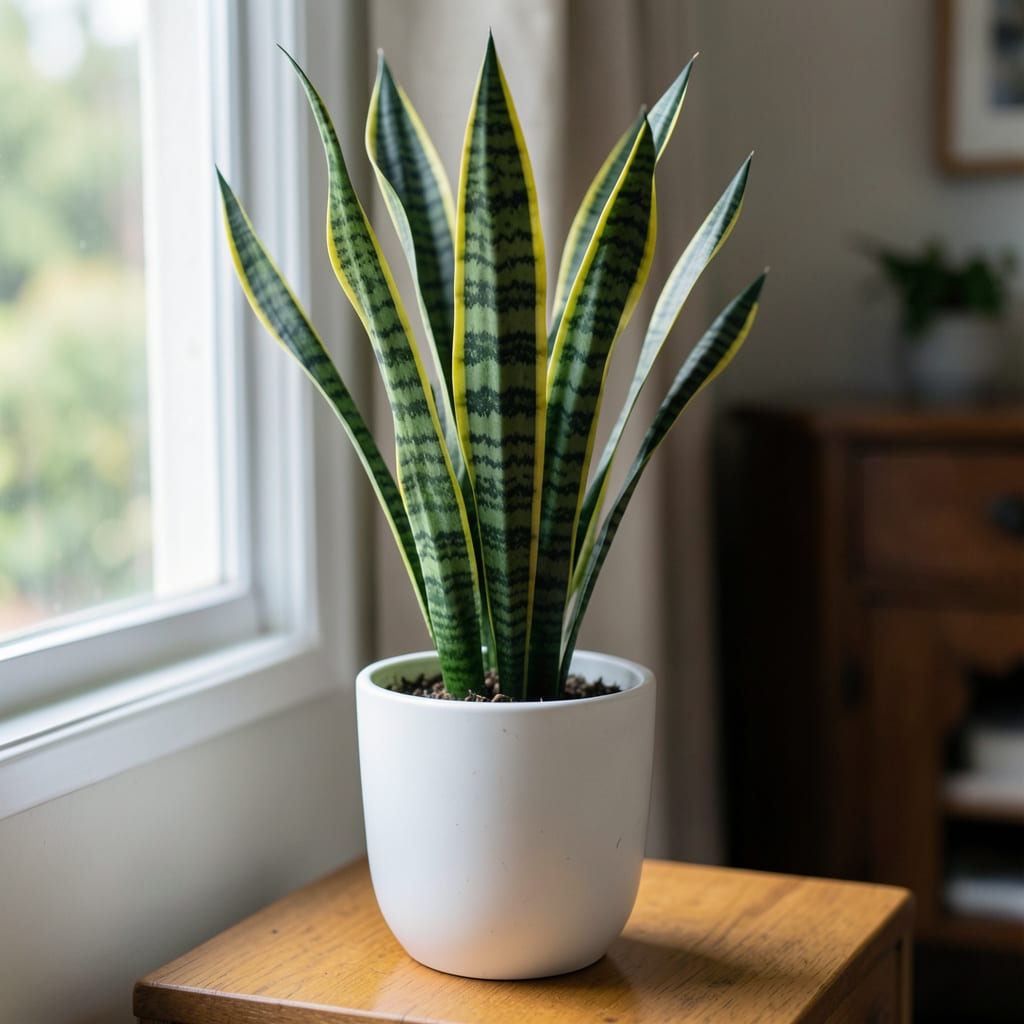
As a plant enthusiast, I’ve always been fascinated by the resilience of Snake Plants 🪴. They’re known for thriving in various conditions, but understanding their light needs is crucial for optimal growth.
Whether you’re a seasoned gardener or a beginner, knowing how much light your Snake Plant needs can make all the difference in keeping it healthy and thriving in your home or office.


Snake plants are known for their ability to thrive in various light conditions, making them a popular choice for indoor spaces. However, understanding their specific light needs is crucial for optimal growth and health. The ideal light conditions for snake plants include bright indirect light, which promotes healthy growth and maintains their vibrant color 🌿.
While snake plants can tolerate low light conditions, their growth may slow down, and their leaves may become less vibrant. On the other hand, exposing them to direct sunlight can cause leaf scorch, especially if the sun’s rays are intense. Therefore, it’s essential to find the right balance to keep your snake plant thriving 🔥.
When it comes to the amount of light snake plants need, it’s generally recommended to provide them with 2-4 hours of bright light, either direct or indirect. East- or west-facing windows are ideal for snake plants, as they provide the right amount of indirect light without the harsh effects of direct sunlight 🌞.
It’s also worth noting that snake plants can adapt to different light environments, but their growth and appearance may vary accordingly. By understanding and adjusting to their light needs, you can ensure your snake plant remains healthy and thrives in its environment 💡.
In addition to light, other factors such as watering and temperature also play a crucial role in the overall health of snake plants. However, light remains a critical factor that can significantly impact their growth and development 🌱.
To summarize, snake plants require bright indirect light for optimal growth, can tolerate low light conditions, and should be protected from direct sunlight. By providing the right light conditions, you can enjoy a healthy and thriving snake plant in your home or office 🌿.
For more specific guidance on caring for your snake plant, including tips on watering and fertilization, be sure to check out our other resources on snake plant care 📚.
By following these guidelines and understanding the light needs of your snake plant, you can create an optimal environment for it to thrive and enjoy the many benefits it brings to your space 🌟.
In conclusion, understanding the light requirements of snake plants is essential for their care. By providing the right amount and type of light, you can ensure your snake plant remains healthy, vibrant, and continues to thrive in its environment 🌱.
Snake plants are known for their adaptability to various light conditions, but understanding how different light levels affect their growth is crucial for optimal care. The right light conditions can significantly impact the health and appearance of your snake plant 🌿.
Low light conditions can cause snake plants to grow more slowly, and their leaves may become less vibrant. However, they can still survive in low light environments, making them a great option for rooms with limited natural light 🔦.
Bright indirect light is ideal for snake plants, as it promotes healthy growth and maintains their vibrant color. East- or west-facing windows are perfect for providing the right amount of indirect light without the harsh effects of direct sunlight 🌞.
On the other hand, direct sunlight can be harmful to snake plants, especially if the sun’s rays are intense. Prolonged exposure to direct sunlight can cause leaf scorch and damage, so it’s essential to filter the sunlight or use a sheer curtain to diffuse the light 🔥.
By understanding how different light conditions affect snake plant growth, you can create an optimal environment for your plant to thrive. Whether you have a spot with bright indirect light or low light, your snake plant can adapt and flourish with proper care 🌱.
In summary, snake plants can tolerate a range of light conditions, but bright indirect light is optimal for their growth. By providing the right light conditions and avoiding direct sunlight, you can keep your snake plant healthy and thriving 🌿.
For more tips on caring for your snake plant, including advice on watering and fertilization, be sure to check out our other resources on snake plant care 📚.
To keep your snake plant thriving, it’s essential to optimize its light exposure. I recommend placing your snake plant near an east- or west-facing window to provide it with the right amount of bright indirect light 🌞.
Rotate your snake plant every 1-2 weeks to ensure even growth and prevent leaning towards the light source 🔄.
If you can’t provide natural light, consider using grow lights to supplement the light your snake plant needs. Keep in mind that snake plants can adapt to different light environments, but their growth may vary accordingly 🌱.
To maximize the benefits of light for your snake plant, maintain a consistent light schedule. Avoid sudden changes in light exposure, as this can cause stress to the plant 🌟.
In addition to optimizing light exposure, remember that other factors like watering and temperature also play a crucial role in the overall health of your snake plant. By balancing these factors, you can create an optimal environment for your plant to thrive 🌿.
For more specific guidance on caring for your snake plant, including tips on watering and fertilization, be sure to check out our other resources on snake plant care 📚.
By following these guidelines and understanding the light needs of your snake plant, you can create an optimal environment for it to thrive and enjoy the many benefits it brings to your space 🌟.
Snake plants thrive in bright indirect light, making east- or west-facing windows ideal. This light condition promotes healthy growth and maintains their vibrant color .
Yes, snake plants can tolerate low light conditions, although their growth may slow down, and their leaves may become less vibrant. They’re a great option for rooms with limited natural light .
Snake plants are sensitive to direct sunlight, especially intense rays, which can cause leaf scorch and damage. It’s best to filter direct sunlight or use a sheer curtain to diffuse the light .
Rotate your snake plant every 1-2 weeks to ensure even growth and prevent leaning towards the light source. This simple step helps maintain your plant’s appearance and overall health .
