
Beautiful Plants For Your Interior
Beautiful Plants For Your Interior
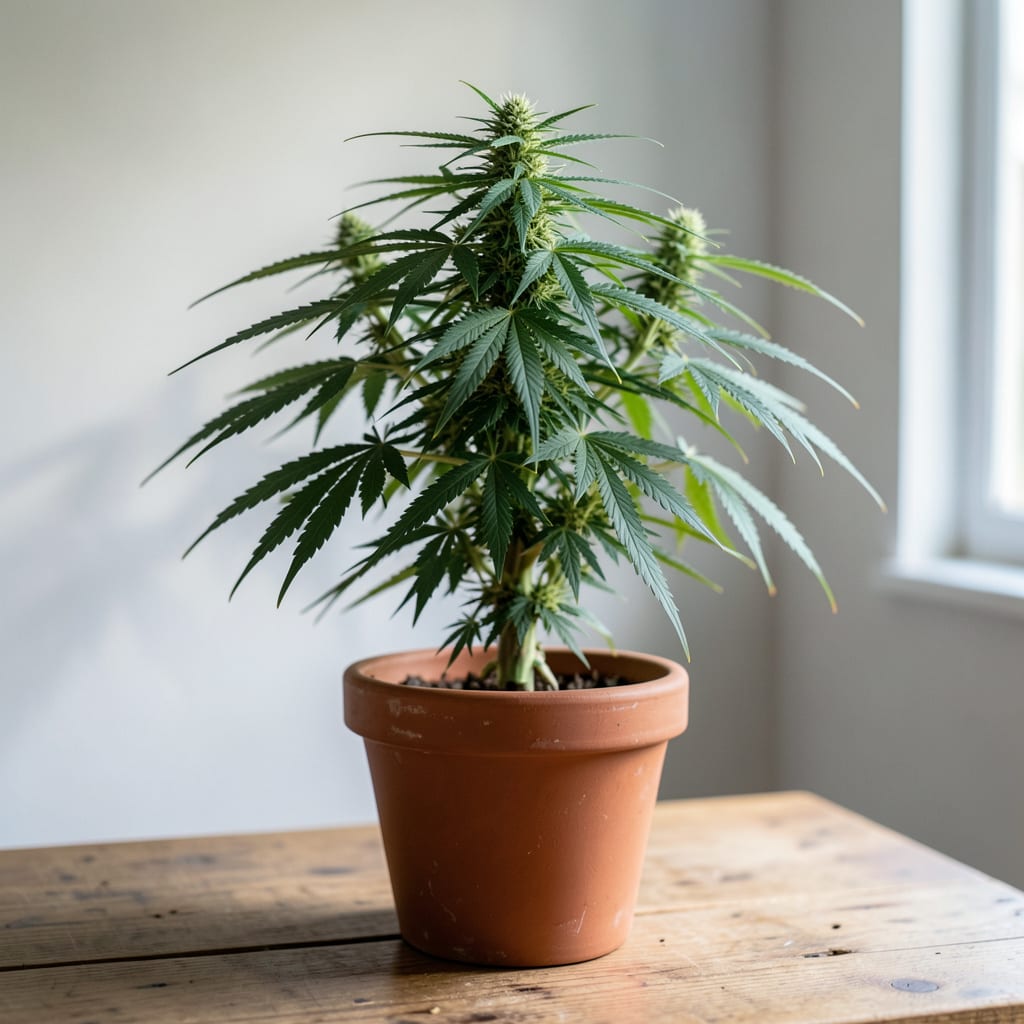
Growing a healthy Potato 🥔 plant requires understanding its light needs. In USDA Zone 6, where I’m based, Potato plants thrive in full sun to partial shade, needing at least 6 hours of direct sunlight daily.
Too little light can lead to weak growth, while too much can cause scorching – so finding that sweet spot is crucial. Let’s explore how to provide your Potato plants with the right amount of light for optimal growth and a bountiful harvest.

Understanding the light needs of your pot plants is crucial for their health and growth. Different plants have different requirements, and knowing these can help you provide the best conditions for your plants to thrive.
Various plants have different light needs: low-light plants like Chinese Evergreen, medium-light plants like Snake Plant, and high-light plants like succulents and cacti. Knowing the specific needs of your plant is key to its success 🌿.
Low-light plants like Chinese Evergreen and Pothos can survive in conditions with limited natural light, making them perfect for indoor spaces with minimal sunlight. They typically require 1-2 hours of indirect light daily 🌻.
Medium-light plants such as Snake Plants and ZZ Plants prefer 4-6 hours of indirect or filtered light. They are great for rooms with north-facing windows or for spaces with filtered sunlight 🪴.
High-light plants like succulents and cacti need 6+ hours of direct sunlight or very bright indirect light. They are ideal for south-facing windows or outdoor spaces with full sun ☀️.
It’s essential to research the specific light needs of your pot plant to ensure you’re providing the right conditions. Some plants can adapt to different light conditions, but most have optimal ranges for best growth 🌱.
For example, Potato plants thrive in full sun to partial shade, requiring at least 6 hours of direct sunlight daily. Understanding these needs can help you position your plants correctly 🥔.
By understanding the light requirements for different types of pot plants, you can create an optimal environment for your plants to grow and flourish. This knowledge is key to becoming a successful plant parent 🌿.
Providing the right amount of light is just one aspect of plant care. Combining this with proper watering and fertilization will ensure your pot plants remain healthy and vibrant 💧.
Whether you’re a seasoned gardener or just starting out, knowing how much light your pot plant needs is a fundamental step in their care. Take the time to learn about your plant’s specific needs, and you’ll be rewarded with lush, thriving plants 🌻.
In conclusion, understanding and meeting the light requirements of your pot plants is crucial for their growth and survival. By providing the right amount and type of light, you can ensure your plants thrive and bring beauty to your space 🌿.
Understanding whether your pot plant is receiving sufficient light is crucial for its health and growth. Different plants have varying light requirements, and recognizing the signs of too little or too much light can help you adjust their positioning accordingly.
Too little light can cause plants to become leggy or weak, while too much light can lead to scorched leaves or discoloration. Being aware of these indicators will help you make necessary adjustments to ensure your plants thrive 🌿.
If your plant is getting too little light, it may exhibit leggy growth or pale leaves. Conversely, too much light can cause leaf scorch or discoloration. Adjust your plant’s position accordingly to prevent these issues 🌻.
One of the primary signs that your pot plant is not getting enough light is leggy growth. This occurs when the plant stretches towards the light source, resulting in long, spindly stems and sparse foliage 🌱.
On the other hand, if your plant is exposed to too much light, it may develop scorched leaves. This can appear as brown or yellow spots on the leaves, or even complete leaf discoloration ☀️.
To determine if your pot plant is getting enough light, observe its growth patterns and leaf color. If you notice any adverse effects, consider relocating the plant to a spot with more suitable lighting conditions 🌿.
In addition to observing your plant’s physical condition, you can also use a light meter to measure the light intensity in the area where your plant is placed. This can provide a more accurate assessment of the light levels your plant is receiving 📊.
By being mindful of your pot plant’s light needs and making adjustments as necessary, you can help ensure it remains healthy and thrives in its environment. Proper light management is a key aspect of plant care, and with a little attention, you can enjoy lush, vibrant plants 🌻.
Regularly checking on your plants and adjusting their light exposure as needed will help prevent common issues associated with inadequate lighting. This proactive approach to plant care can make a significant difference in the health and appearance of your pot plants 🌱.
In summary, monitoring your pot plant’s response to light and making appropriate adjustments is essential for its well-being. By doing so, you can create an optimal environment that supports healthy growth and development 🌿.
Optimizing light for your pot plants is crucial for their health and growth. Different plants have varying light requirements, and understanding these needs can help you provide the best conditions for your plants to thrive 🌿.
To ensure your pot plants receive the right amount of light, consider their specific needs and adjust their positioning accordingly. Here are some practical tips to help you optimize light for your plants.
Place plants in areas that receive the appropriate amount of light for their needs. For example, high-light plants should be positioned near south-facing windows or under grow lights ☀️.
If natural light is insufficient, consider using grow lights to supplement the light your plants receive. This is particularly useful for plants that require high light levels 💡.
Rotate your pot plants regularly to ensure even light distribution. This helps prevent uneven growth and promotes healthy development 🔄.
By following these tips, you can create an optimal lighting environment for your pot plants, supporting their growth and overall health 🌻.
Remember, understanding and meeting the light requirements of your pot plants is crucial for their well-being. By providing the right amount and type of light, you can ensure your plants thrive and bring beauty to your space 🌱.
Regularly checking on your plants and adjusting their light exposure as needed will help prevent common issues associated with inadequate lighting. This proactive approach to plant care can make a significant difference in the health and appearance of your pot plants 🌿.
In summary, optimizing light for your pot plants involves understanding their specific needs and making adjustments accordingly. By doing so, you can create an environment that supports healthy growth and development 🌸.
Observe your plant’s growth patterns and leaf color. If it’s becoming leggy or weak, it may need more light. Conversely, if leaves are scorched or discolored, it might be getting too much light .
Yes, you can use grow lights to supplement natural light, especially for plants that require high light levels. This is particularly useful during winter months or in low-light environments .
Rotate your pot plants every 1-2 weeks to promote even growth and prevent uneven light distribution. This helps maintain the plant’s natural shape and encourages healthy development .
Yes, plants like Chinese Evergreen and Pothos can survive in low-light conditions, making them perfect for indoor spaces with limited natural light. They typically require 1-2 hours of indirect light daily .
