
Beautiful Plants For Your Interior
Beautiful Plants For Your Interior
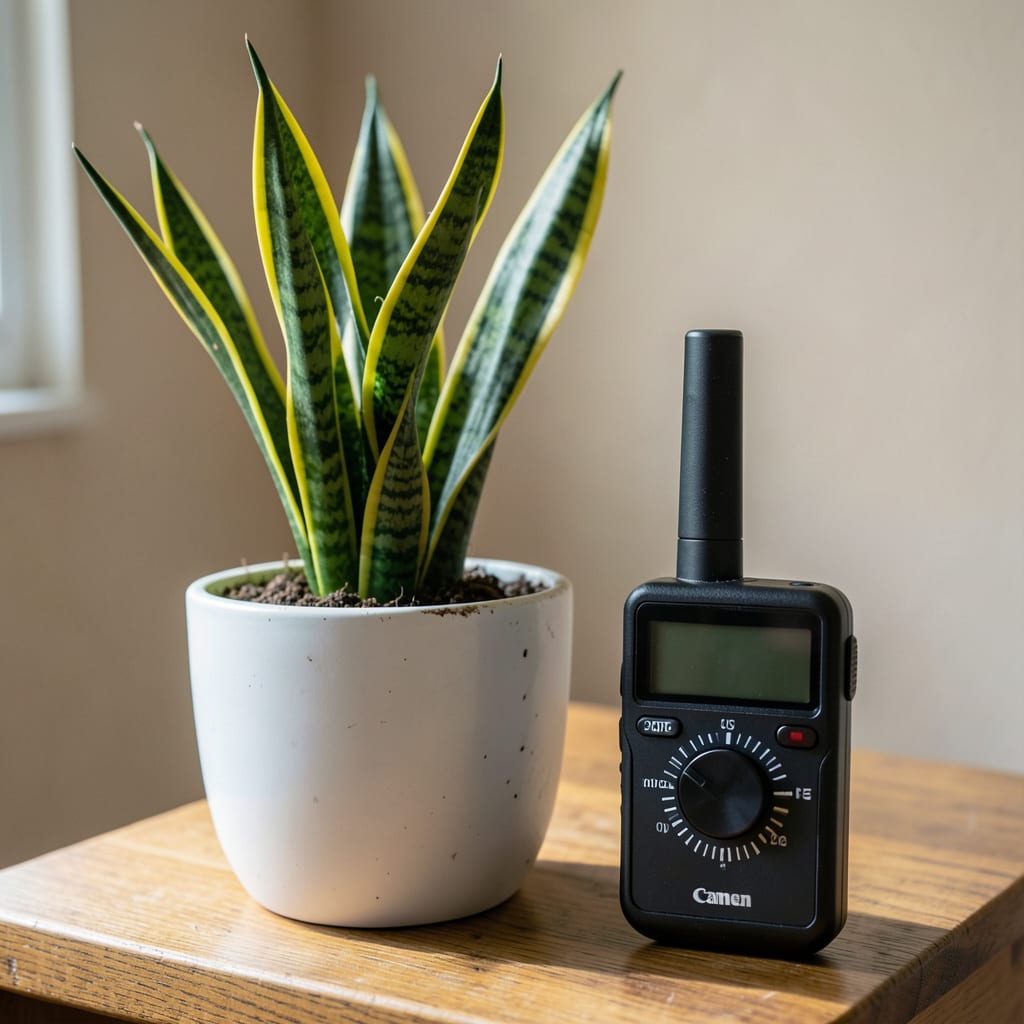
I’ve always been fascinated by 🌱 Low Light Plants that thrive in conditions where others struggle. Growing these plants in USDA Zone 6 requires understanding their unique needs.
Let’s explore how to provide the right amount of light for your Low Light Plant to flourish. I’ll share practical tips on creating ideal conditions for optimal growth.

I’ve found that understanding low light conditions is crucial for keeping plants healthy in indoor spaces. Low light plants are those that can survive with minimal direct sunlight, typically less than 2 hours per day. These plants have adapted to thrive in environments with limited natural light, making them perfect for rooms with limited window exposure 🌿.
To determine if your space qualifies as low light, you can use a simple light meter or observe the room’s natural light throughout the day. Generally, low light conditions are characterized by indirect sunlight or artificial lighting that’s not very intense. This type of environment is common in offices or homes with north-facing windows.
When it comes to low light plants, it’s essential to understand that they don’t require complete darkness. Instead, they need a certain amount of indirect light to photosynthesize and grow. In my experience, most low light plants can thrive with as little as 2-4 hours of indirect light per day. However, the specific light needs can vary depending on the type of plant 🌱.
Some plants, like the Snake Plant or ZZ Plant, are more tolerant of low light conditions than others. These plants have adapted to survive in environments with limited light, making them perfect for low-light spaces. Other plants, like the Peace Lily or Pothos, can also thrive in low light conditions but may require more frequent watering and fertilization 🌿.
To ensure your low light plants receive the right amount of light, you can also consider using artificial lighting. LED grow lights or fluorescent lights can be used to supplement natural light, especially during the winter months when daylight hours are shorter. By providing the right amount of light, you can help your low light plants thrive and enjoy their beautiful foliage 💡.
In addition to light, other factors like watering and fertilization play a crucial role in the health of low light plants. Overwatering can be detrimental, so it’s essential to check the soil moisture regularly. A general rule of thumb is to water your plants when the top inch of soil feels dry to the touch. Fertilizing your plants during the growing season can also help promote healthy growth 🌸.
Low light plants are not just limited to foliage plants. Some flowering plants, like the Peace Lily, can also thrive in low light conditions and produce beautiful blooms. By understanding the specific needs of your plants, you can create a thriving indoor garden even in the lowest light conditions 💐.
It’s also worth noting that low light plants can be just as stylish and decorative as their high-light counterparts. With a little creativity, you can use these plants to add a touch of greenery to even the darkest corners of your home or office. Whether you’re a seasoned gardener or a beginner, low light plants are a great option for adding some natural beauty to your space 🌿.
In conclusion, understanding the light requirements of low light plants is crucial for their survival and thriving. By providing the right amount of indirect light, using artificial lighting when necessary, and following proper care tips, you can enjoy the benefits of having beautiful and healthy plants in your indoor space 🌸.
By following these guidelines and understanding the specific needs of your low light plants, you can create a thriving indoor garden that brings joy and beauty to your space. Happy planting! 🌱
I’ve found that different low light plants have varying light requirements. Understanding these needs is crucial for their survival and thriving. Some plants can tolerate extremely low light conditions, while others need slightly more illumination 🌿.
Let’s examine the specific light needs of popular low light plants. The Snake Plant is known for its ability to thrive in extremely low light conditions, making it perfect for offices or basements. It can survive with as little as 1-2 hours of indirect light per day 🌱.
The Pothos is another popular low light plant that can thrive in a variety of lighting conditions. While it can survive in low light, it prefers bright indirect light and can tolerate up to 4 hours of indirect light per day. This makes it a great option for rooms with east- or west-facing windows 🌞.
The ZZ Plant is known for its low maintenance requirements, including its ability to tolerate low light conditions. It can survive with as little as 1-2 hours of indirect light per day, making it perfect for low-light spaces 💡.
Other low light plants, like the Peace Lily, can also thrive in low light conditions. However, they may require more frequent watering and fertilization to promote healthy growth 🌸.
In my experience, understanding the specific light needs of your low light plants is crucial for their survival and thriving. By providing the right amount of light, you can help your plants thrive and enjoy their beautiful foliage 🌱.
To summarize, different low light plants have varying light requirements. By understanding these needs and providing the right amount of light, you can create a thriving indoor garden that brings joy and beauty to your space 🌿.
I’ve found that optimizing light for low light plants requires some creativity and understanding of their needs. To maximize available light, it’s essential to place plants in strategic locations that receive the most natural light 🌿.
Consider using LED grow lights or fluorescent lights to supplement natural light, especially during winter months when daylight hours are shorter.
Rotate your plants every 1-2 weeks to ensure even growth and prevent leaning towards the light source.
Place plants near a north-facing window for optimal low light conditions.
In addition to these tips, it’s essential to monitor your plants’ response to light and adjust accordingly. Some plants may require more or less light than others, so observe their growth and adjust their placement or lighting accordingly 🌱.
By implementing these strategies, you can create an optimal environment for your low light plants to thrive. Remember, every plant is different, so be prepared to experiment and adjust your approach as needed 🌸.
Optimizing light for low light plants is just one aspect of their overall care. By combining proper lighting with other essential care practices, such as watering and fertilization, you can enjoy the benefits of having beautiful and healthy plants in your indoor space 🌿.
With a little creativity and attention to detail, you can create a thriving indoor garden that brings joy and beauty to your space. Happy planting! 🌱
Low light conditions for plants are typically defined as less than 2 hours of direct sunlight or 2-4 hours of indirect light per day. This can be found in rooms with north-facing windows or areas away from direct sunlight.
Yes, you can use LED grow lights or fluorescent lights to supplement natural light for low light plants. This is especially helpful during winter months when daylight hours are shorter.
It’s recommended to rotate your low light plants every 1-2 weeks to ensure even growth and prevent leaning towards the light source. This will help maintain their appearance and promote healthy growth.
No, different low light plants have varying lighting requirements. For example, Snake Plants and ZZ Plants can tolerate extremely low light, while Pothos and Peace Lilies prefer slightly brighter indirect light. Understanding the specific needs of your plants is crucial.
