
Beautiful Plants For Your Interior
Beautiful Plants For Your Interior
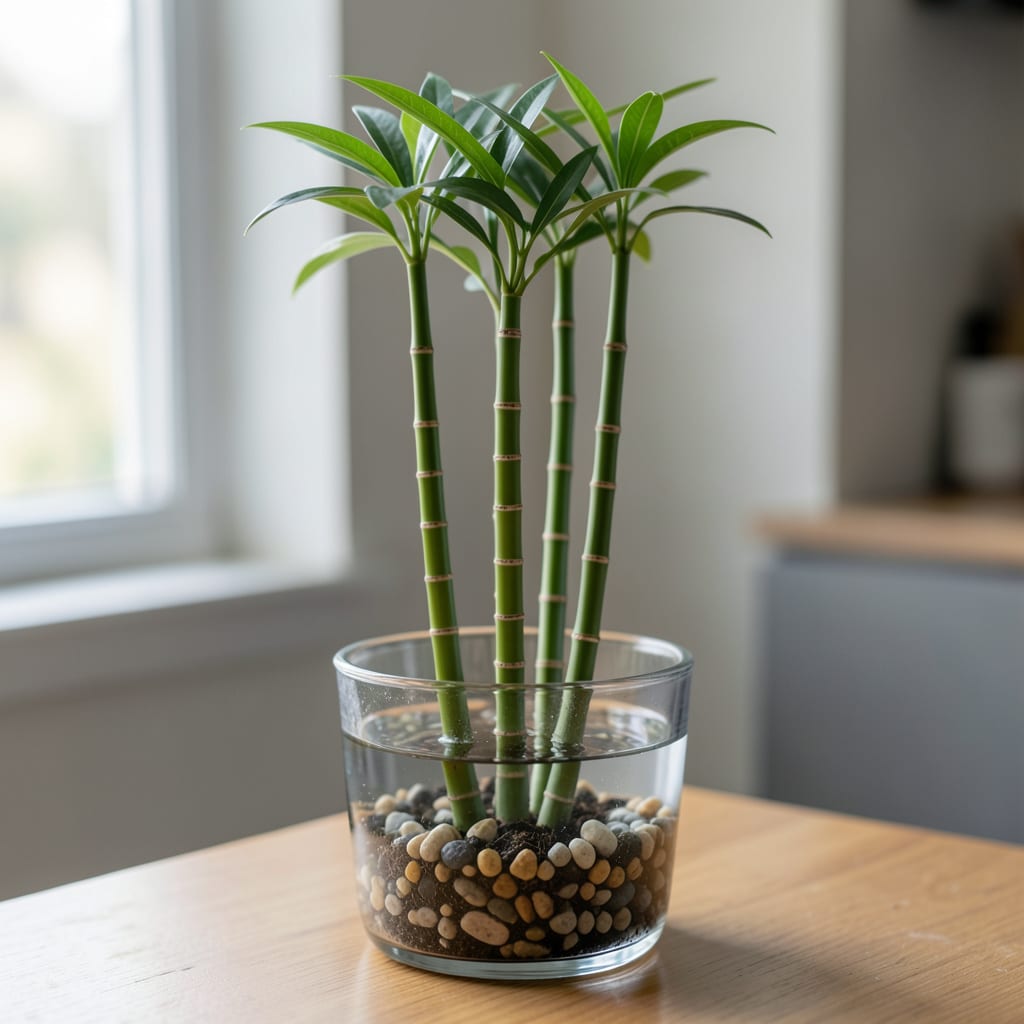
As I tend to my bamboo plants 🌿, I’ve learned that light is crucial for their growth. Too little or too much can make all the difference in their development.
In this guide, I’ll share what I’ve discovered about bamboo’s light needs, including the ideal amount of light for healthy growth in USDA Zone 6. Let’s explore how to give your bamboo the right light to thrive.
 Best Window Placement
Bamboo plants are known for their rapid growth and versatility, but one of the most critical factors in their development is light exposure. Different bamboo species have varying light requirements, and understanding these needs is essential for optimal growth 🌿.
In my experience, most bamboo plants thrive in bright, indirect light. The ideal light conditions typically involve 4-6 hours of indirect sunlight daily. This can be achieved by placing bamboo plants near an east- or west-facing window, where they can receive gentle, filtered light 🔥.
The light intensity and duration significantly impact bamboo plant growth. While some species can tolerate low light conditions, most will exhibit optimal growth in bright, indirect light. It’s essential to research the specific light requirements for your bamboo species to ensure you’re providing the best conditions 🌱.
When it comes to artificial lighting, bamboo plants can benefit from LED grow lights, especially during the winter months or in low-light environments. These lights can supplement natural light and help maintain optimal growth rates 💡.
Monitoring light exposure is crucial. You can use a light meter to measure the light intensity in your growing area. This tool helps ensure that your bamboo plants receive the appropriate amount of light 💻.
Some bamboo species are more adaptable to varying light conditions than others. For example, Lucky Bamboo can thrive in low light, while Moso Bamboo prefers full sun. Understanding the specific needs of your bamboo variety is key to providing the right light 🌟.
In addition to natural light, it’s essential to consider the duration of light exposure. Bamboo plants generally require a consistent light schedule, so maintaining a regular day-night cycle is beneficial 🕰️.
Seasonal changes can also affect the light needs of bamboo plants. During the winter months, when natural light is scarce, you may need to adjust your lighting strategy to ensure your plants continue to thrive ❄️.
By understanding and meeting the lighting requirements of your bamboo plants, you can promote healthy growth and enjoy the many benefits these versatile plants have to offer 🌿.
In summary, providing the right amount of light is crucial for the health and growth of bamboo plants. By understanding the specific needs of your plants and adjusting your care routine accordingly, you can ensure they thrive in their environment 🌱.
To optimize light exposure for bamboo plants, it’s essential to understand that most species thrive in bright, indirect light. The ideal light conditions typically involve 4-6 hours of indirect sunlight daily. This can be achieved by placing bamboo plants near an east- or west-facing window, where they can receive gentle, filtered light 🌞.
When natural light is limited, LED grow lights can be a valuable supplement. These lights can provide the necessary spectrum and intensity for healthy bamboo growth, especially during the winter months or in low-light environments 💡.
For optimal bamboo growth, maintain a consistent light schedule. Use LED grow lights to supplement natural light during periods of low sunlight.
Monitoring light intensity is crucial for bamboo health. Using a light meter can help you measure the light in your growing area, ensuring it meets your plants’ needs 📊.
Adjusting plant position seasonally can also help optimize light exposure. As the sun’s angle changes throughout the year, moving your bamboo plants to different locations can help maintain optimal light conditions 🔄.
Some bamboo species are more adaptable to varying light conditions than others. For example, Lucky Bamboo can thrive in low light, while Moso Bamboo prefers full sun. Understanding the specific needs of your bamboo variety is key to providing the right light 🌟.
Duration of light exposure is another critical factor. Bamboo plants generally require a consistent day-night cycle, so maintaining a regular light schedule is beneficial 🕰️.
In summary, optimizing light exposure for bamboo involves providing bright, indirect light, using LED grow lights when necessary, and monitoring light intensity. By following these tips, you can promote healthy growth and enjoy the many benefits of bamboo plants 🌱.
When growing bamboo plants, it’s essential to avoid common lighting mistakes that can hinder their growth 🌱.
One of the most significant errors is exposing bamboo to direct sunlight for extended periods. While some species can tolerate full sun, most bamboo plants prefer bright, indirect light 🔥.
Avoid placing bamboo plants in low-light areas for extended periods, as this can lead to weak and spindly growth.
Another mistake is not adjusting light exposure according to seasonal changes. During the winter months, when natural light is scarce, bamboo plants may require additional artificial lighting to maintain optimal growth ❄️.
Inconsistent light schedules can also negatively impact bamboo growth. Maintaining a regular day-night cycle is crucial for promoting healthy development 🕰️.
Some bamboo species are more sensitive to light than others. For example, Lucky Bamboo can tolerate low light, while Moso Bamboo prefers full sun. Understanding the specific needs of your bamboo variety is key to avoiding lighting mistakes 🌟.
By being aware of these common lighting mistakes and taking steps to avoid them, you can ensure your bamboo plants receive the right amount of light to thrive 🌿.
In summary, avoiding common lighting mistakes is crucial for the health and growth of bamboo plants. By providing the right amount of light and maintaining a consistent light schedule, you can promote healthy growth and enjoy the many benefits of bamboo plants 🌱.
Most bamboo plants thrive in bright, indirect light, requiring 4-6 hours of indirect sunlight daily. Placing them near an east- or west-facing window is ideal. This helps promote healthy growth and prevents weak stalks .
Some bamboo species, like Lucky Bamboo, can tolerate low light, but most will exhibit slow growth and weak stalks. If you have a low-light area, consider using LED grow lights to supplement the natural light .
Using a light meter can help measure the light intensity in your growing area, ensuring it meets your plants’ needs. This tool is especially useful during seasonal changes when natural light varies .
To optimize light exposure, maintain a consistent light schedule and adjust your plants’ position seasonally. Using LED grow lights during periods of low sunlight can also help promote healthy growth .
