
Beautiful Plants For Your Interior
Beautiful Plants For Your Interior
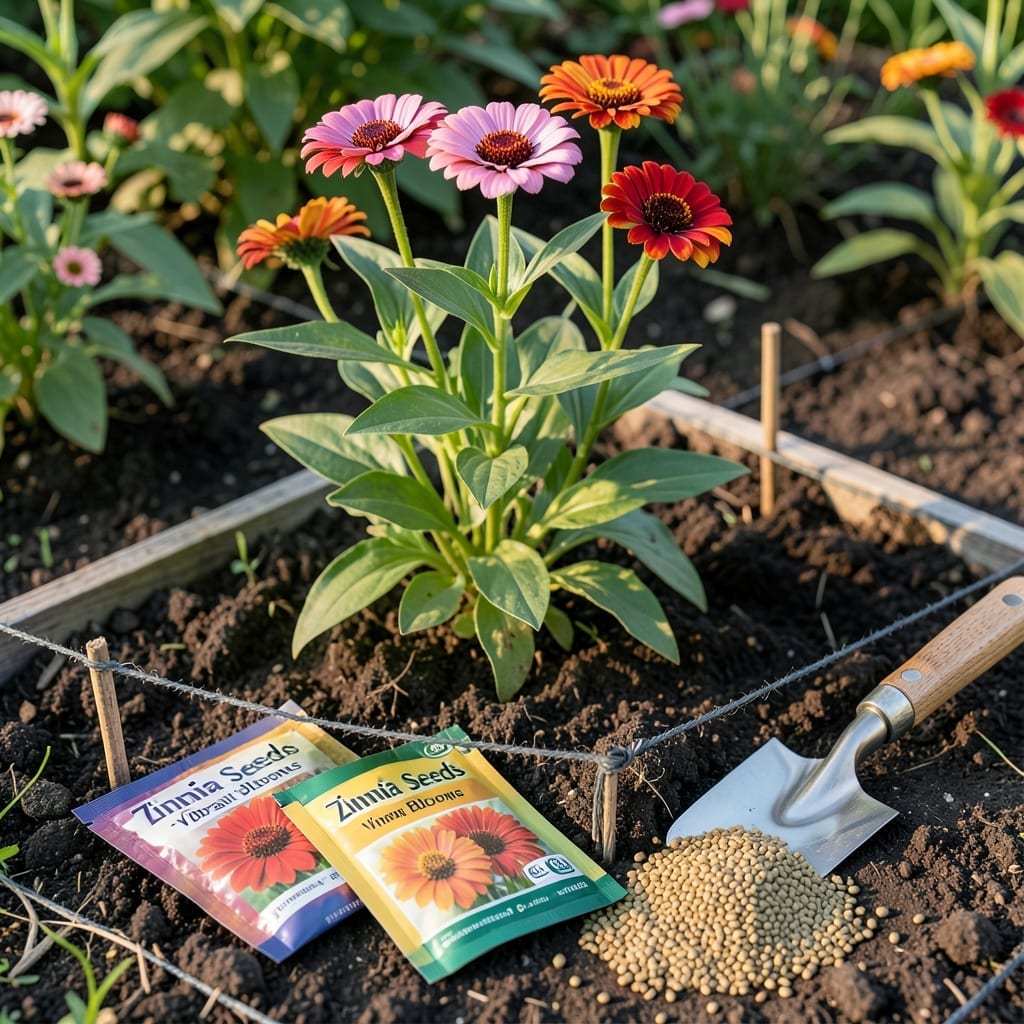
Getting the right zinnia seed density can mean the difference between a lush, vibrant flower bed and a crowded, struggling patch. Plant too many, and your 🌼 Zinnia compete for nutrients; plant too few, and you’ll miss out on their full visual impact.
I’ve seen both scenarios play out in gardens, and trust me, the sweet spot makes all the difference. You want vibrant blooms without the hassle of overcrowding.
Discover the perfect balance for your space and soil. Let’s break down the numbers and techniques for best results.
Finding the right zinnia seed density is key to a thriving garden. Too many seeds lead to overcrowded plants competing for sunlight and nutrients. Too few, and your garden lacks vibrancy.
I always consider the zinnia variety first. Dwarf types need closer spacing, while giant zinnias require more room. The right balance ensures healthy growth and abundant blooms. 🌼
| Variety | Seeds per Sq Ft | Spacing |
|---|---|---|
| Dwarf | 25-30 seeds | 4-6 inches |
| Standard | 15-20 seeds | 8-12 inches |
| Giant | 8-12 seeds | 12-18 inches |
For dwarf zinnias, I recommend 25-30 seeds per square foot. These compact plants thrive with 4-6 inches between them. This density creates a full, colorful display without overcrowding.
Standard zinnias need more space. I plant 15-20 seeds per square foot, spacing them 8-12 inches apart. This allows for proper air circulation, reducing disease risk.
For giant zinnias, I go with 8-12 seeds per square foot. These tall beauties need 12-18 inches of space to reach their full potential. They’ll reward you with large, stunning blooms.
Remember, soil quality matters. Rich, well-draining soil supports healthy root growth. I always amend my soil with compost before planting. This gives zinnias the best start. 🌱
Sunlight is another critical factor. Zinnias need 6-8 hours of full sun daily. Without enough light, they’ll grow leggy and weak, even with perfect spacing.
I also consider watering needs. Zinnias prefer consistent moisture but dislike soggy soil. A drip irrigation system works wonders for maintaining even moisture levels.
Finally, don’t forget about thinning seedlings. Once they sprout, I thin them to the recommended spacing. This ensures stronger plants and better blooms in the long run. ✂️
Even experienced gardeners can make costly mistakes with zinnia seeds. The most common is overcrowding, which leads to weak stems and poor blooms. I’ve learned this the hard way!
Another frequent error is planting too deep. Zinnia seeds need light to germinate, so I only press them 1/4 inch into the soil. Any deeper, and they may not sprout at all.
⚠️ Watch Out!
Overcrowding causes fungal diseases and stunted growth. Stick to recommended spacing for healthy zinnias.
I’ve also seen gardeners skip soil prep. Zinnias thrive in well-draining soil, so I always mix in compost before planting. This improves both drainage and nutrient content. 🌱
Inconsistent watering is another pitfall. Too much water can rot the seeds, while too little prevents germination. I use a spray bottle to keep the soil evenly moist until sprouts appear.
Don’t forget about sunlight needs. Zinnias require full sun to thrive. If your garden has shady spots, consider container planting to move them into the sun.
Lastly, ignoring seed quality can lead to disappointment. I always check the expiration date on seed packets. Old seeds have lower germination rates, which affects your planting density. ✂️