
Beautiful Plants For Your Interior
Beautiful Plants For Your Interior
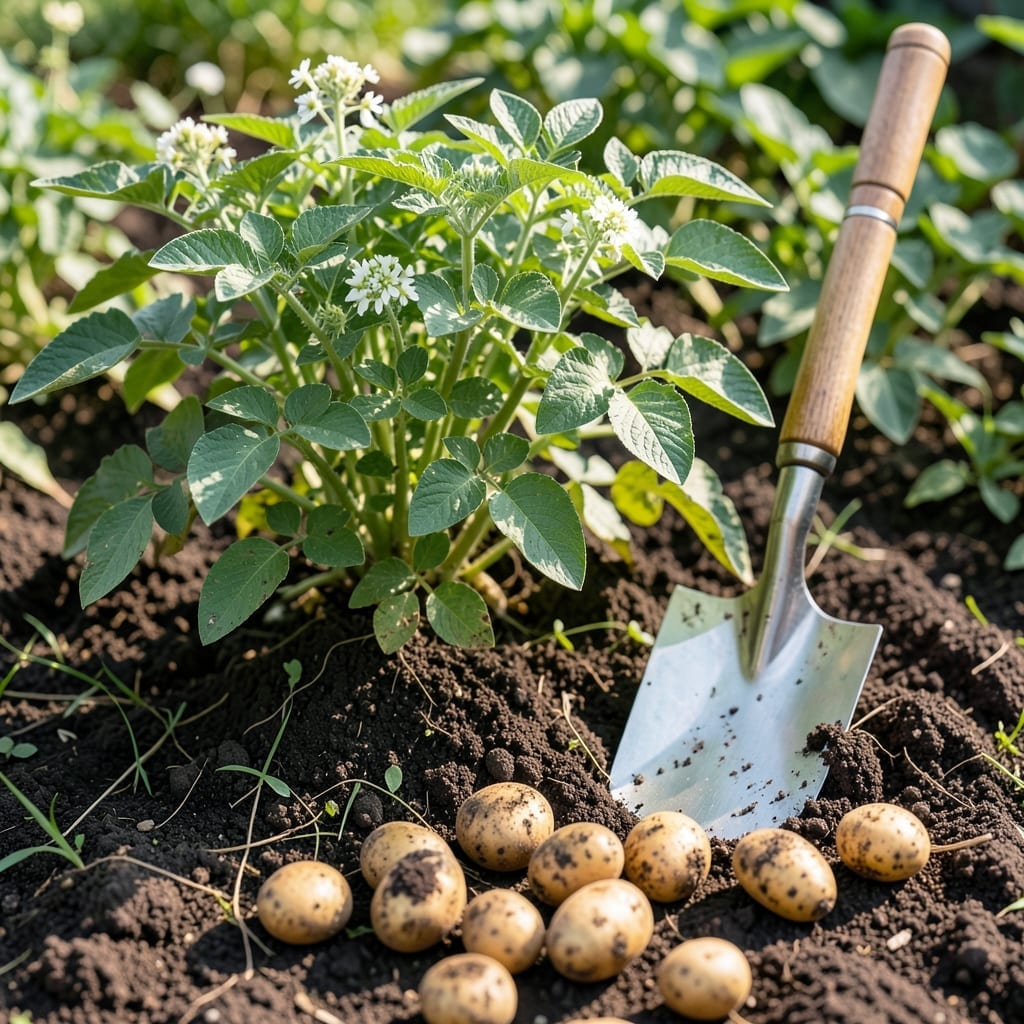
Ever wondered how a single seed potato can multiply into a bountiful harvest? The answer depends on several key factors every gardener should understand.
With the right conditions, that one 🥔 can produce far more than you might expect. From soil quality to planting depth, small details make a big difference in your yield.
I’ll walk you through exactly what determines your potato harvest and how to maximize the number of spuds from each plant. Let’s dig into the science behind this garden magic.

One seed potato can produce a surprising harvest if you provide the right conditions. On average, gardeners can expect 5 to 10 potatoes per plant, though this varies widely.
High-yield varieties like Russet Burbank or Yukon Gold often exceed this range, while smaller types like fingerlings may produce fewer but more flavorful tubers.
| Factor | Yield Impact |
| Variety | 5-15 potatoes per plant |
| Soil Quality | Loose, rich soil boosts production |
| Planting Depth | 4-6 inches deep prevents greening |
| Spacing | 12 inches apart reduces competition |
| Watering | 1-2 inches weekly keeps tubers plump |
The growing environment plays a huge role in your harvest size. Potatoes thrive in cool weather (60-70°F) and need consistent moisture without waterlogging. Too much nitrogen leads to leafy growth at the expense of tubers.
I’ve found that hilling potatoes as they grow encourages more tubers to form. Each time the plant reaches 6 inches tall, mound soil around the stem to create more growing space underground. This simple technique can double your yield.
Sunlight is non-negotiable for potatoes – they require full sun (6+ hours daily). Shady spots produce weak plants with smaller yields. If your garden lacks sun, consider containers you can move to sunnier locations.
Don’t overlook seed potato quality. Certified disease-free seed potatoes from reputable sources give you the best start. Grocery store potatoes may carry diseases or have been treated to prevent sprouting, which can ruin your entire crop.
Remember that early varieties mature faster (60-90 days) but typically produce fewer potatoes than late varieties (120+ days). If you’re short on space or time, choose early types like Red Norland or New Potatoes.
For the biggest harvest, I recommend experimenting with different varieties each season. Keep a garden journal to track which perform best in your specific conditions. Even small improvements in technique can add 2-3 extra potatoes per plant. ☀️
To get the most potatoes from each seed, I always start with proper soil preparation. Loosen the earth to 12 inches deep and mix in plenty of compost for nutrients.
This creates the perfect environment for tubers to expand. Without loose soil, potatoes grow small and misshapen, reducing your overall yield per plant.
I’ve found that hilling potatoes is the most effective way to boost yield. When plants reach 6 inches tall, mound soil around the stems, leaving just the top few inches exposed.
This encourages more tuber formation along the buried stem. Repeat this process every 2-3 weeks until the plant begins to flower for maximum production.
Watering consistency is crucial for plump potatoes. Inconsistent moisture leads to cracked or knobby tubers. I water deeply in the morning, aiming for 1-2 inches per week, and adjust based on rainfall.
Finally, don’t forget about crop rotation. Never plant potatoes in the same spot two years in a row. This prevents disease buildup in the soil that can reduce your yield over time. 🌱