
Beautiful Plants For Your Interior
Beautiful Plants For Your Interior
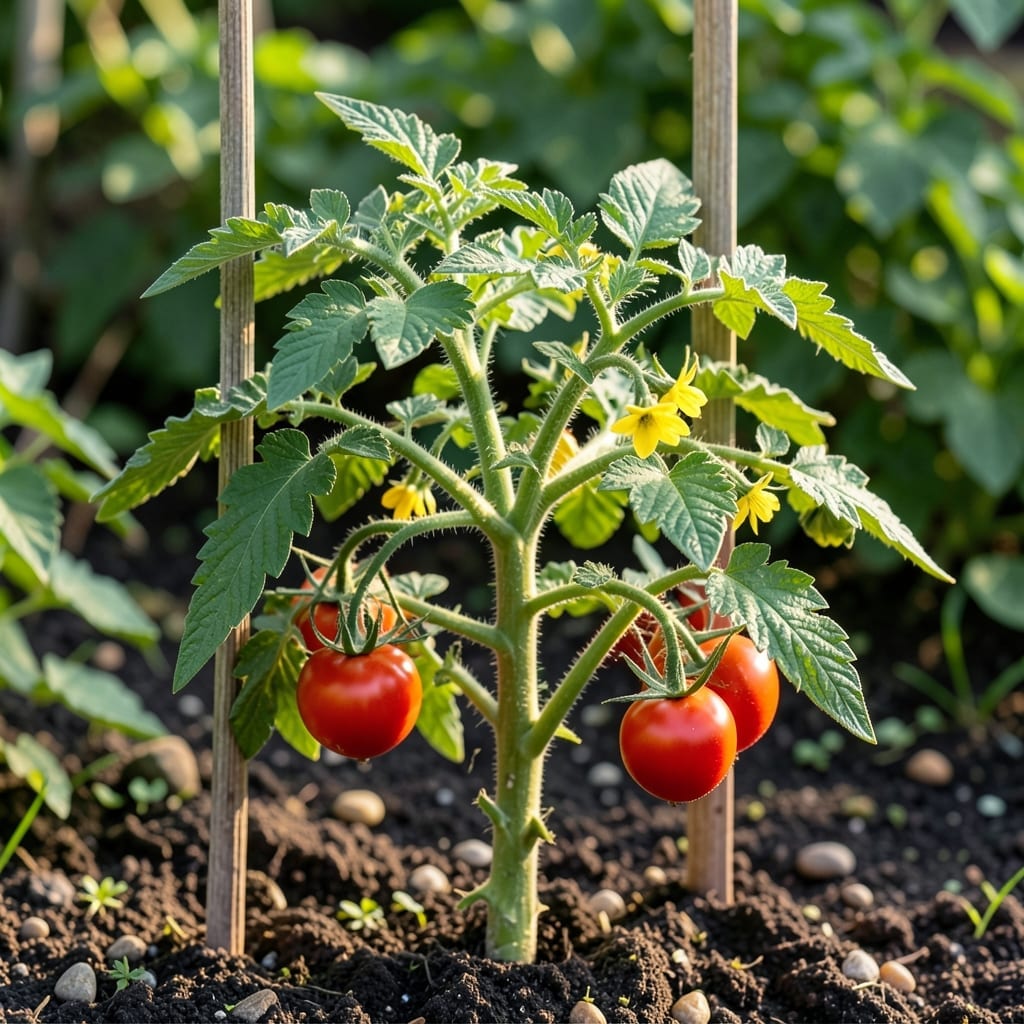
Tomatoes thrive on sunlight, but getting the balance right is key to a bountiful harvest. The 🍅 you dream of won’t flourish without the right amount of daily light.
Too little exposure leaves you with leggy, weak plants that produce few fruits. Yet even this essential resource can become too much of a good thing in scorching climates.
I’ll show you exactly how to hit that perfect sunlight sweet spot for your Tomato plants, no matter your growing conditions. Let’s discover what works best.


Most tomato varieties need 6-8 hours of direct sunlight daily for optimal growth. This is the golden rule I follow for healthy plants and abundant fruit production.
However, not all tomatoes are created equal. Different types have slightly varying needs, and your local climate zone can affect how much light your plants actually receive.
In my experience, cherry tomatoes are the most forgiving when it comes to sunlight. They can produce well with just 6 hours of direct light, especially in very hot regions.
Beefsteak varieties, on the other hand, demand more. I’ve found they need at least 8 hours to develop those large, meaty fruits we all love.
For heirloom tomatoes, I aim for 7-9 hours of sunlight. These older varieties often have less disease resistance and need optimal conditions to thrive.
The difference between determinate and indeterminate types also matters. Determinate plants, which grow to a fixed size, do well with 6-8 hours. Indeterminate varieties keep growing and producing all season, so they benefit from 8+ hours of light.
Remember that quality matters as much as quantity. I always position my tomato plants where they’ll get morning sun, which is less intense than afternoon sun but just as beneficial.
In cooler climates, I maximize sunlight by planting on the south side of my garden. In hotter areas, I might provide some afternoon shade to prevent sunscald on the fruits.
☀️
Your tomato plants will tell you if they’re light-deprived. I watch for yellowing leaves on the lower stems first, as this is often the initial sign of insufficient light.
Another red flag is slow growth or spindly stems. When tomatoes don’t get enough sun, they stretch toward the light, resulting in weak, leggy plants that struggle to support fruit.
I’ve noticed that sparse fruiting is another common issue. Without adequate sunlight, tomato plants can’t produce the energy needed for flower development and fruit set.
In my garden, I also look for smaller-than-normal fruits or fruit that takes forever to ripen. These are classic signs that my plants aren’t getting their 6-8 hours of daily sunlight.
One quick fix I use is pruning nearby plants that might be casting shade. Even a few extra hours of light can make a dramatic difference in your tomato’s productivity.
For container gardeners, I recommend moving pots to sunnier spots throughout the day. Tomatoes in pots are especially sensitive to light changes, so this simple adjustment can boost their growth significantly.
☀️