
Beautiful Plants For Your Interior
Beautiful Plants For Your Interior
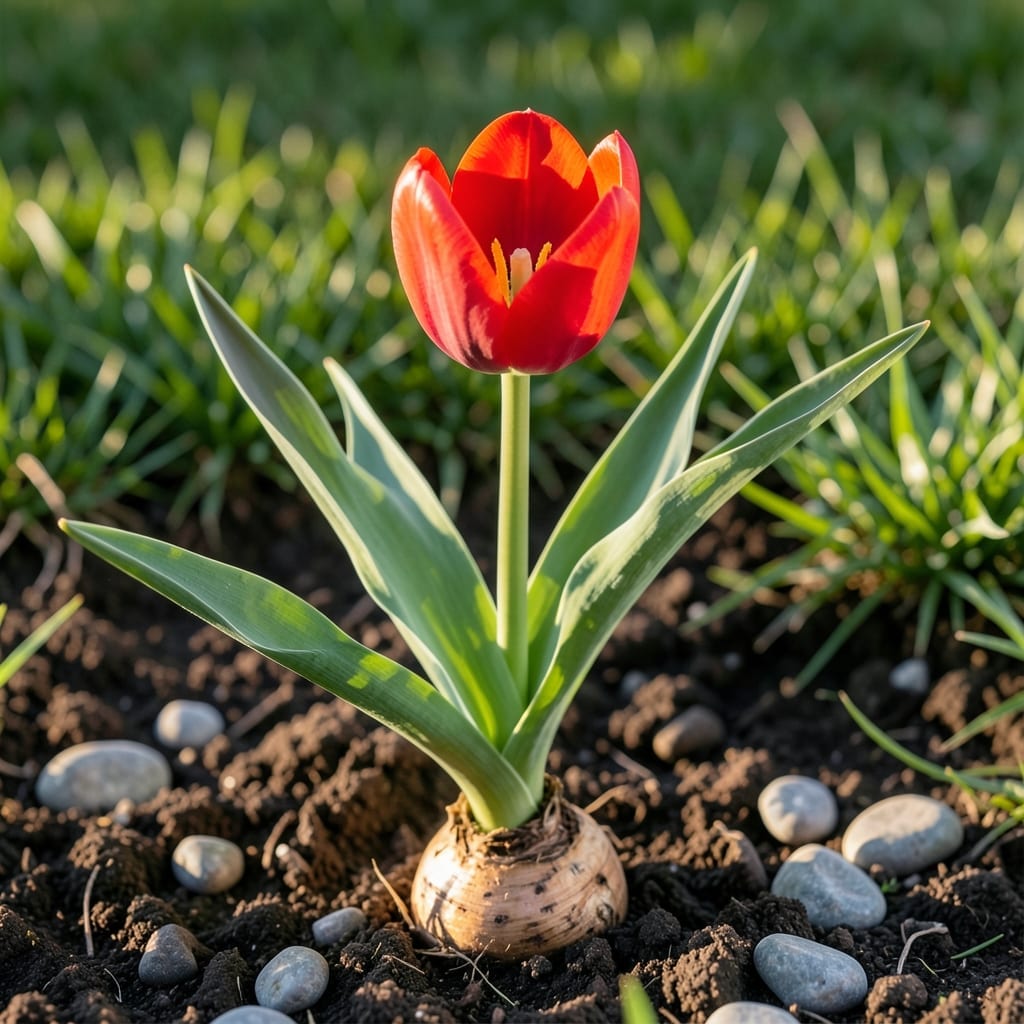
Curious about how many blooms a single tulip bulb can produce? The answer might surprise you, as it depends on bulb type, care, and even environmental factors.
Most gardeners expect one flower per 🌷 Tulip bulb, but some varieties can produce multiple blooms from a single planting. This variation makes understanding your specific tulip type crucial.
Whether you’re planting in zones 3-8 or just starting your gardening journey, knowing what to expect helps set realistic goals. The difference between standard and multi-flowering types can be significant.
Discover how to identify which tulips give you more bang for your buck and how to encourage maximum blooms from each bulb you plant.
I often get asked about the flower potential of a single tulip bulb. The short answer is that most standard tulip bulbs produce one flower per stem in their first year.
However, there are multi-flowering tulip varieties like Tulipa ‘Double Late’ or Tulipa ‘Parrot’ that can produce 2-3 blooms per bulb under ideal conditions.
| Tulip Type | Flowers Per Bulb | Notes |
|---|---|---|
| Standard Tulips | 1 flower | Most common variety in gardens |
| Double Late Tulips | 2-3 flowers | Larger blooms, late spring flowering |
| Parrot Tulips | 2-4 flowers | Unique frilled petals, weather-sensitive |
| Species Tulips | 1-2 flowers | Smaller, naturalizing types |
In my experience, bulb size matters a lot. Larger bulbs, typically 12 cm or bigger, have more stored energy and are more likely to produce multiple flowers or stronger stems.
First-year bulbs usually focus their energy on single blooms. This is their way of establishing themselves in your garden. Don’t be disappointed if you don’t see multiple flowers right away.
As tulips mature over 2-3 years, some varieties develop the ability to produce additional stems from the same bulb. This is called bulb division and is nature’s way of propagating.
I’ve noticed that well-fed tulips in rich soil are more likely to produce multiple flowers. A balanced fertilizer applied in early spring can make a noticeable difference in bloom count.
Environmental factors play a huge role too. Tulips planted in full sun with good drainage tend to perform better than those in shady, waterlogged spots.
Remember that blindness (when a bulb doesn’t flower) can occur. This might be due to poor bulb quality, improper planting, or nutrient deficiencies. Always source bulbs from reputable suppliers.
In my garden, I’ve had the best luck with multi-flowering varieties when I plant them in clusters of 5-7 bulbs. This creates a stunning display and increases the chances of multiple blooms per area.
While most tulips produce one flower per bulb, the joy comes from planting many bulbs together. A single 25-bulb pack can create a spectacular spring show with dozens of blooms 🌷
If you’re wondering why your tulip bulbs produce varying numbers of blooms, several key factors come into play. The most significant is bulb size—larger, healthier bulbs typically yield more flowers.
Environmental conditions like sunlight exposure and soil quality also impact bloom count. Tulips thrive in full sun and well-draining soil to maximize their potential. ✂️
Key Factors Affecting Tulip Blooms
The tulip variety you choose can make a big difference. For example, multi-flowering tulips like ‘Bouquet’ or ‘Double Late’ are bred to produce 3-5 blooms per bulb under ideal conditions.
Planting depth and spacing matter too. Bulbs planted too shallowly may split or produce weaker stems, reducing flower count. Aim for 6-8 inches deep and 4-6 inches apart for best results.
Seasonal care practices, such as proper watering and fertilization, also play a role. A balanced fertilizer applied in early spring can boost bloom production. 🌱
Finally, post-bloom care is crucial. Allowing the foliage to die back naturally after flowering helps the bulb store energy for next year’s blooms. This simple step can significantly increase your tulip yield over time.