
Beautiful Plants For Your Interior
Beautiful Plants For Your Interior
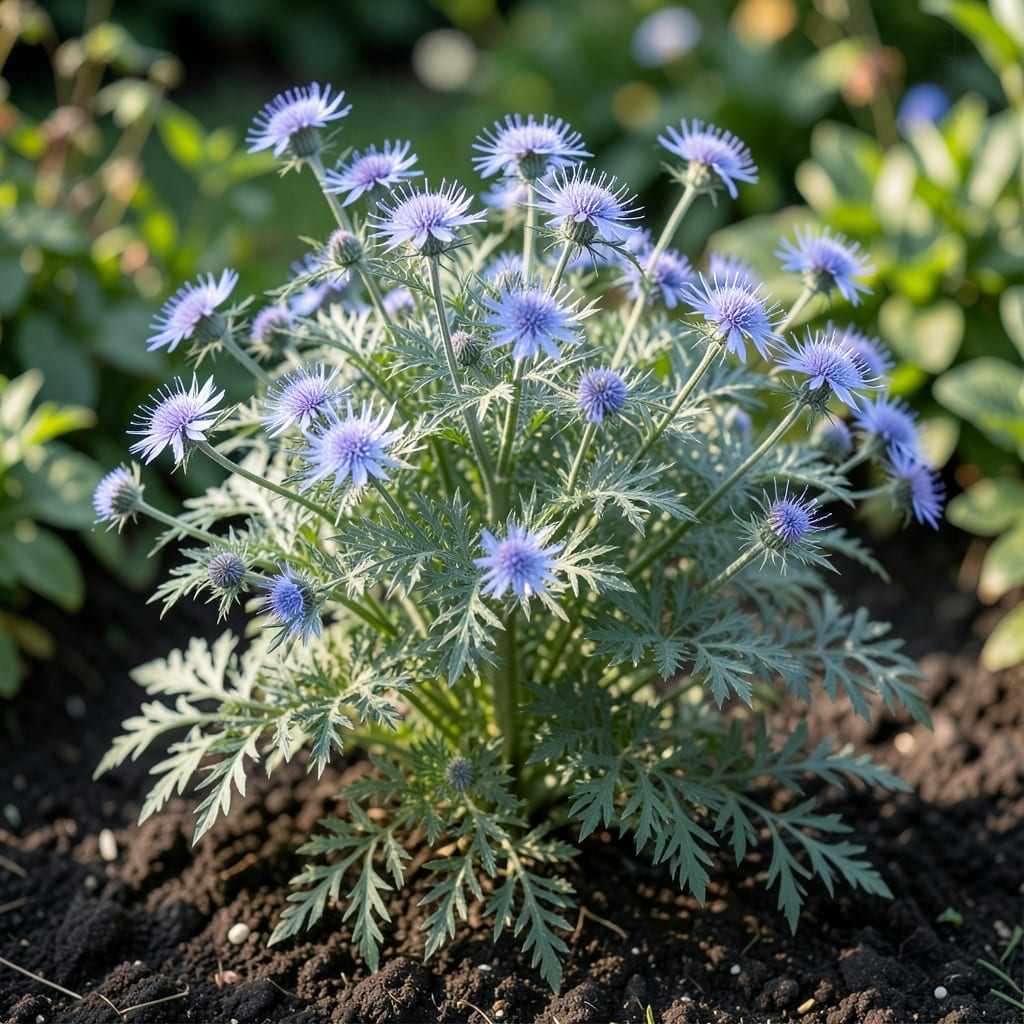
Love in a Mist, or Nigella damascena, is a charming garden favorite known for its delicate, feather-like foliage and striking flowers. But how many colors does this beauty actually come in?
This easy-to-grow annual surprises with its range of shades, from classic blues to unexpected pinks and whites. Whether you’re planning a cottage garden or just love unique blooms, the 🌸 Love In A Mist offers more variety than many realize.
I’ll walk you through the full spectrum of colors you can expect and share tips to help them thrive in your own garden space. Let’s explore the possibilities together.
If you’re wondering how many colors Love in a Mist can be, the answer is delightfully varied. Nigella damascena offers a stunning palette that goes beyond its classic sky blue blooms.
From soft white to deep purple, this plant surprises with its range. I’ve grown several varieties, and each color brings a unique charm to the garden. The pink and lavender shades are particularly eye-catching 🌸
| Color | Description |
|---|---|
| Blue | Classic sky blue, most common |
| White | Pure white with delicate veins |
| Pink | Soft blush to vibrant magenta |
| Purple | Deep violet to lavender hues |
| Bicolor | White with blue or purple edges |
In my experience, blue remains the most popular, but white Love in a Mist adds elegance to any border. The pink varieties, like ‘Pink Paragon’, are perfect for romantic garden themes.
For something truly unique, seek out double-flowered types. These produce extra petals, making the colors appear even richer. I’ve found that ‘Miss Jekyll’ offers stunning deep blue blooms.
The bicolor varieties are a hidden gem. Their white petals with blue or purple edges create a striking contrast. These are less common but worth hunting for at specialty nurseries.
Growing conditions can influence color intensity. I’ve noticed that plants in full sun tend to produce more vibrant hues. Meanwhile, those in partial shade may have softer, pastel tones.
Soil pH plays a role too. Slightly acidic soil can enhance blue and purple shades, while alkaline soil may favor pink and white blooms.
Don’t forget about the foliage! The feather-like leaves of Love in a Mist provide a beautiful backdrop for its colors. Even when not in bloom, this plant adds texture to your garden 🌿
For the best color display, I recommend planting a mix of varieties. This way, you’ll enjoy a rainbow of blooms from early summer to fall. The seed pods are also ornamental, adding interest after the flowers fade.
To maximize the color diversity of Love in a Mist, start with well-draining soil. I’ve found that sandy loam works best for vibrant blooms. This plant thrives in full sun but tolerates light shade.
Sow Nigella damascena seeds directly in early spring or fall. The seeds need light to germinate, so press them gently into the soil without covering deeply. Space plants 6-12 inches apart for good air circulation.
I recommend morning watering to prevent fungal issues. Love in a Mist has moderate water needs, so let the soil dry slightly between waterings. Overwatering can lead to root rot or weak stems.
For longer bloom periods, deadhead regularly. This prevents seed formation and encourages the plant to produce more flowers. The seed pods are attractive too, so leave some for ornamental interest.
Companion planting enhances color impact. Pair Love in a Mist with larkspur or cosmos for a cottage garden feel. The feather-like foliage contrasts beautifully with broader-leaved plants.
In my garden, I’ve noticed that consistent moisture and good drainage produce the best color saturation. Try planting in raised beds if your soil is heavy or clay-like.
With proper care, you’ll enjoy a continuous display of colors from late spring to fall 🌸