
Beautiful Plants For Your Interior
Beautiful Plants For Your Interior
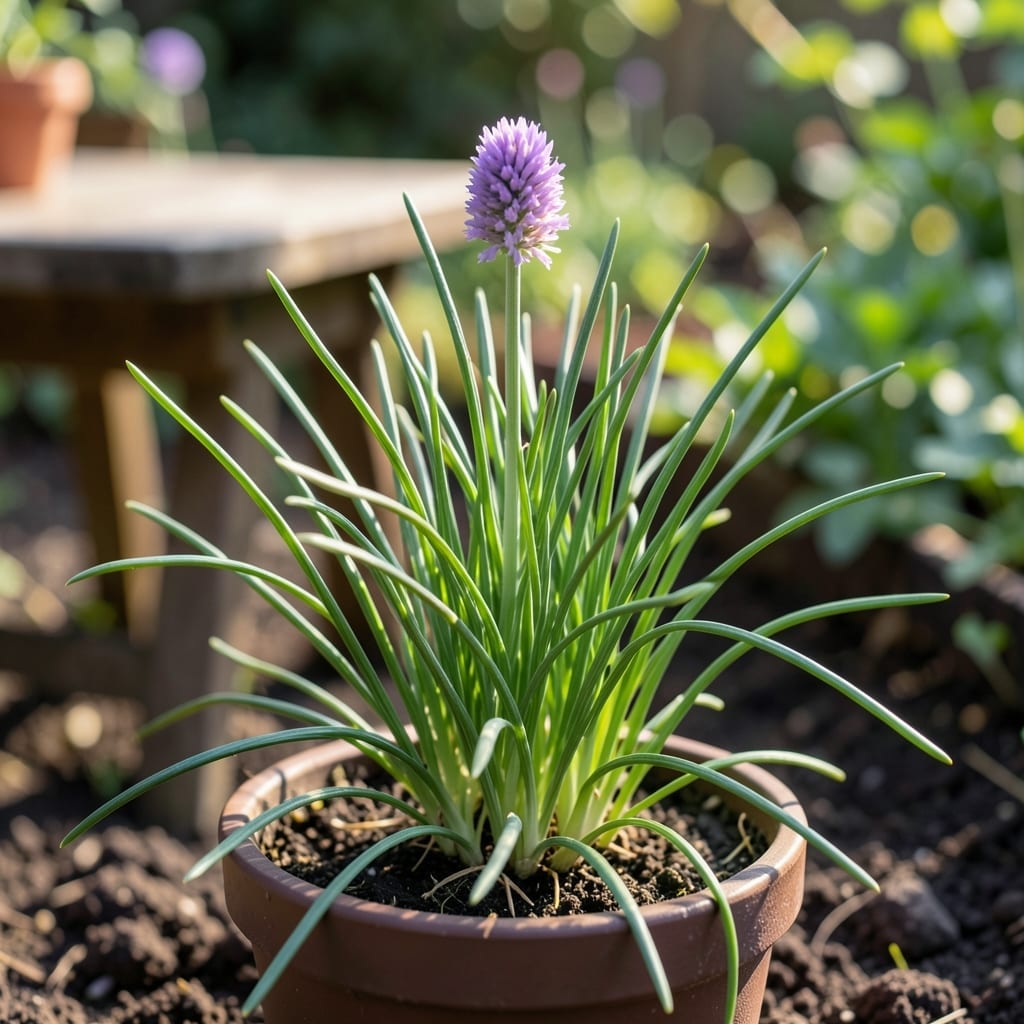
Getting the planting density right is key to a thriving chive harvest—too few plants waste space, while too many can stunt growth. With the 🌱 Chives you love, balance makes all the difference.
I’ve seen gardens struggle when crowding limits airflow or leaves bare patches where more could grow. The sweet spot transforms your square foot into a lush, productive bed.
Discover the simple spacing trick that maximizes yield without sacrificing health. Let’s make every inch of your garden work harder for you.
For maximum yield in square foot gardening, I plant 12-16 chives per square foot. This spacing balances air circulation with efficient use of space, preventing disease while ensuring lush growth.
Proper density lets each plant access sunlight and nutrients without competition. Overcrowding leads to weak stems and poor harvests, so precision matters.
🌱 Chive Planting Density Guide
| Requirement | Specification |
|---|---|
| Plants per sq ft | 12-16 |
| Spacing between plants | 6 inches |
| Soil depth | Well-draining, 6+ inches |
| Sunlight needs | Full sun to partial shade |
In my experience, 12 plants works best for larger varieties, while 16 plants suits dwarf types. Always check your seed packet for specific recommendations, as some hybrids may vary.
Square foot gardening thrives on this density because it prevents wasted space while allowing roots to spread. I’ve found that 6-inch spacing between plants creates the ideal microclimate for chives.
Remember, soil quality affects density too. Rich, loamy soil supports closer spacing, while poor soil may require fewer plants to avoid nutrient competition.
Air circulation is critical with chives. At 12-16 plants per square foot, you’ll see fewer fungal issues and healthier foliage. I always thin seedlings to maintain this balance.
For companion planting, chives do well with carrots and tomatoes at this density. Their pest-repelling properties benefit nearby plants without overcrowding.
If you’re starting from seeds, sow them 1/4 inch deep and thin to 6 inches apart once they sprout. This ensures your final density matches the 12-16 plants per square foot target.
With transplants, dig holes slightly larger than the root ball and space them 6 inches apart. Water thoroughly after planting to help roots establish in their new home.
This density also makes harvesting easier. You can snip outer leaves without disturbing neighboring plants, encouraging continuous growth throughout the season. 🌿
I always start by preparing well-draining soil with plenty of compost mixed in. Chives thrive in fertile ground, so this step ensures strong root development from the beginning.
For direct seeding, I sow chive seeds about 1/4 inch deep in a square foot grid. This depth protects them while allowing quick germination in warm soil.
🌱 Planting Chives in Square Foot Gardens
Once seeds sprout, I thin them to 6 inches apart to achieve the ideal 12-16 plants per square foot. This spacing gives each plant room to grow without competition.
For transplants, I dig holes slightly larger than the root ball and space them evenly. This method works well for nursery-bought plants or divisions from established clumps.
After planting, I water thoroughly but gently to settle the soil around roots. Chives prefer consistent moisture, so I keep the soil evenly damp during the first week.
I also add a light mulch to retain moisture and suppress weeds. This helps maintain the optimal density by reducing competition from invasive plants.
Finally, I monitor growth closely, adjusting as needed. With proper care, my chives reach harvest size in about 60-90 days, ready for regular snipping. 🌿