
Beautiful Plants For Your Interior
Beautiful Plants For Your Interior
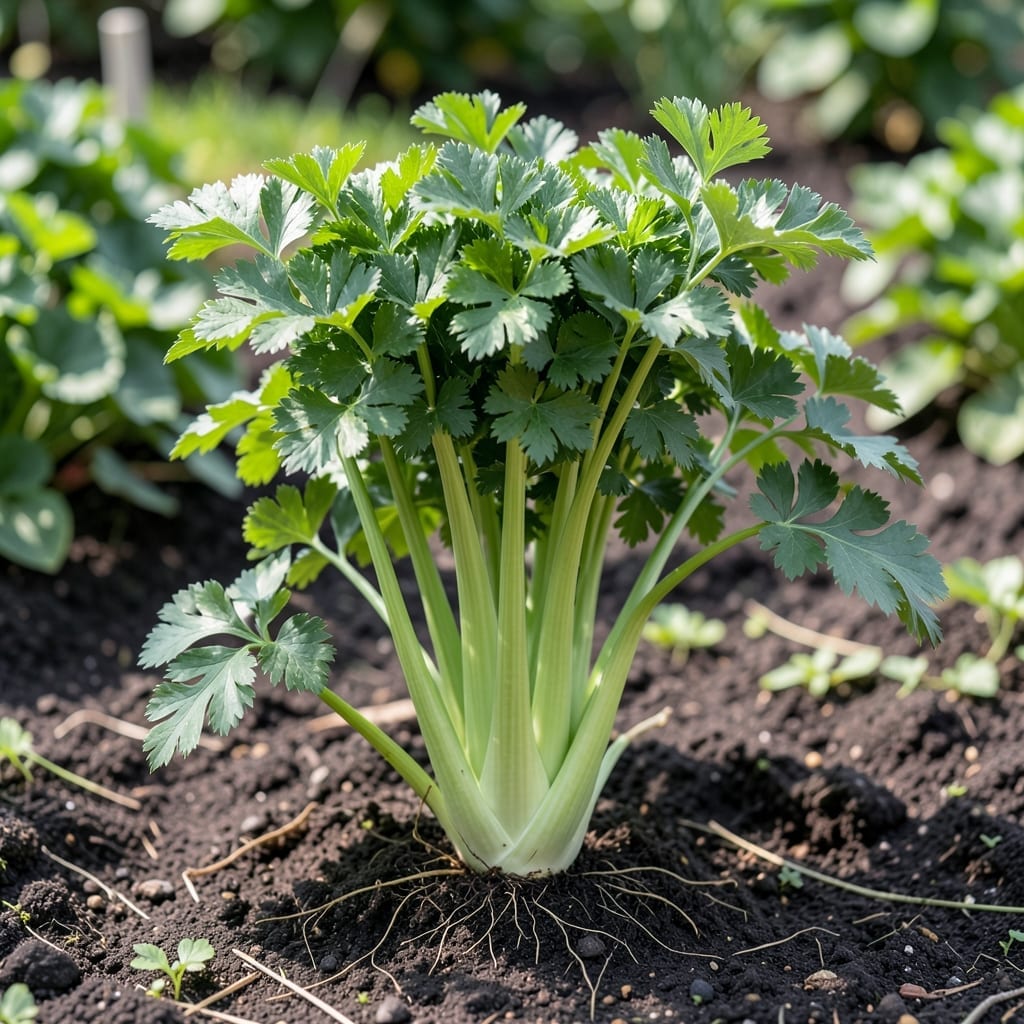
Celery’s crisp stalks and fresh flavor make it a garden favorite, but its spacing needs often puzzle growers. Plant too many, and your crop struggles; too few, and you waste valuable space.
I’ve learned that getting the density right is the key to healthy 🥬 Celery plants. Whether you’re working with a small raised bed or a larger plot, proper spacing makes all the difference.
Discover how to balance plant count with growth needs to maximize your harvest. It’s simpler than you think, and I’ll walk you through it.
Getting celery spacing right is crucial for healthy growth. In square foot gardening, I recommend 4 plants per square foot for standard varieties. This ensures each plant has enough room to thrive.
Celery needs 6-8 inches between plants in all directions. This spacing prevents overcrowding and allows for proper air circulation, reducing disease risk.
| Requirement | Specification |
|---|---|
| Plants per sq ft | 4 |
| Spacing between plants | 6-8 inches |
| Row spacing | 12 inches |
| Mature height | 1.5-2.5 ft |
| Sun needs | 6+ hours daily |
For dwarf celery varieties, you can squeeze in 6 plants per square foot. These compact plants stay smaller, so they need less space. Always check the seed packet for specific recommendations.
Raised beds offer better drainage, which celery loves. I’ve found that 4 plants per square foot works well here too, as long as the soil stays consistently moist.
If you’re planting in rows, keep them 12 inches apart. This gives you enough space to walk between rows and tend to your plants without compacting the soil.
Remember, celery is a heavy feeder. It needs rich, fertile soil to support its growth. Mix in plenty of compost before planting to give your plants a strong start.
Thinning seedlings is essential if you start from seed. Crowded seedlings compete for resources, leading to weak, spindly plants. Thin to the recommended spacing as soon as they’re large enough to handle.
Proper spacing also improves air flow, which helps prevent fungal diseases like blight. I’ve seen firsthand how good air circulation keeps plants healthier and more productive.
Finally, mulch around your celery plants to retain moisture and suppress weeds. This is especially important in hot climates, where celery can struggle with heat stress.
With the right spacing and care, your celery will grow tall, crisp, and flavorful 🌱
While 4 celery plants per square foot works for most situations, several factors can influence your spacing. I’ve found that variety type plays a big role in how much room each plant needs.
Tall celery varieties often require more space than their dwarf counterparts. If you’re growing a larger type, stick to 4 plants per square foot or even fewer to prevent competition for light and nutrients.
In fertile soil, you might get away with slightly closer spacing. Celery is a heavy feeder, so if your soil is rich in organic matter, your plants will have the resources they need to grow well even with a bit less space.
Sunlight is another critical factor. If your garden gets 6+ hours of direct sun daily, your celery can handle slightly tighter spacing. In shadier spots, give them a bit more room to reach for the light they need.
I always remind gardeners that consistent moisture is key for celery. If you can maintain evenly moist soil, your plants will grow more efficiently, allowing for optimal spacing without stressing the plants.
Finally, consider your local climate. In cooler areas, celery grows more slowly, so you might space plants a bit closer. In hotter climates, where celery can struggle, give them extra room to help manage heat stress.
By adjusting for these factors, you’ll find the perfect balance for your garden’s unique conditions 🌱