
Beautiful Plants For Your Interior
Beautiful Plants For Your Interior
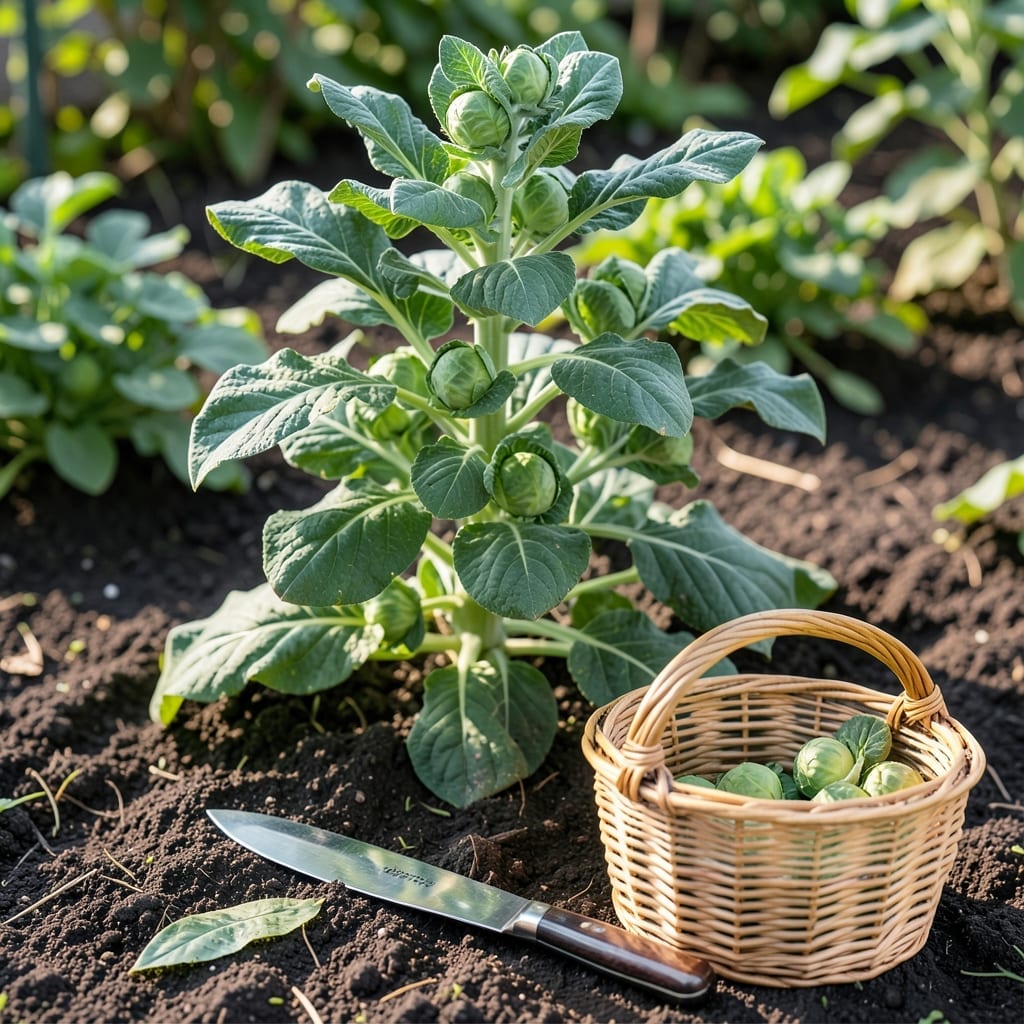
Curious about your Brussels sprout harvest? The 🥬 number of sprouts per plant can surprise even seasoned gardeners. It’s not just about luck—your variety choice and care routine play huge roles.
Some Brussels Sprouts varieties produce 50-100 sprouts per plant, while others yield far less. The difference often comes down to simple growing techniques you can master.
Let me show you how to set up your plants for maximum production. With the right approach, you’ll be harvesting more sprouts than you expected this season.
If you’re wondering how many Brussels sprouts each plant will produce, the answer depends largely on the variety you choose. Some types naturally yield more than others, and knowing these differences helps you plan your garden effectively.
From my experience, standard varieties like Long Island Improved typically produce 30-50 sprouts per plant under ideal conditions. Meanwhile, hybrid varieties can exceed these numbers significantly.
| Variety | Sprouts per Plant | Plant Height |
| Long Island Improved | 30-50 | 24-30 inches |
| Jade Cross | 50-80 | 24-36 inches |
| Diablo | 60-100 | 28-36 inches |
| Churchill | 40-70 | 24-30 inches |
| Bubbles | 45-60 | 20-24 inches |
The Jade Cross variety is a favorite among gardeners for its high yield and disease resistance. In my garden, these plants consistently produce 50-80 sprouts when given proper care and spacing.
For those with limited space, Bubbles is a compact variety that still delivers a respectable 45-60 sprouts per plant. Its smaller stature makes it perfect for container gardening or tight spaces.
On the higher end, Diablo can produce up to 100 sprouts per plant. This variety thrives in cool climates and has excellent cold tolerance, making it ideal for fall harvesting.
Remember that plant height often correlates with yield. Taller varieties like Diablo have more stem space to develop sprouts, which directly impacts the total harvest per plant.
I’ve found that consistent watering and fertile soil can push these numbers even higher. A well-fed Brussels sprout plant is a productive one, so don’t skimp on compost or organic matter when planting.
Lastly, proper spacing is crucial. Crowded plants compete for resources, which can reduce your sprout count. Give each plant at least 18-24 inches of space for optimal growth.
With the right variety and care, you could be harvesting dozens of sprouts from each plant this season 🌱
Wondering why your Brussels sprout plants aren’t producing as expected? The number of sprouts per plant depends on several controllable factors. With the right adjustments, you can significantly boost your harvest this season.
I’ve found that spacing is often the most overlooked factor. Plants crowded too closely will produce fewer sprouts as they compete for light and nutrients. Aim for 18-24 inches between each plant for optimal results.
Pest control: Protect against cabbage worms and aphids to prevent damage to developing sprouts
Soil fertility is another game-changer. Brussels sprouts are heavy feeders, so I always amend my soil with aged compost and a balanced fertilizer before planting. This gives plants the nutrients they need to produce abundant sprouts.
Sunlight is equally critical. These plants need 6-8 hours of direct sun daily. In my garden, the sunniest spots always yield the most sprouts. If your garden is shady, consider using reflective mulches to maximize light exposure.
Consistent watering is key to preventing bitter sprouts and ensuring steady growth. I water my plants deeply once a week, providing about 1-2 inches of water. During hot spells, I increase this to prevent stress.
Finally, pest control can make or break your harvest. Cabbage worms and aphids love Brussels sprouts as much as we do. I use row covers early in the season and inspect plants regularly for signs of infestation.
By mastering these five factors, you’ll see a noticeable increase in your sprout yield this year 🌱