
Beautiful Plants For Your Interior
Beautiful Plants For Your Interior
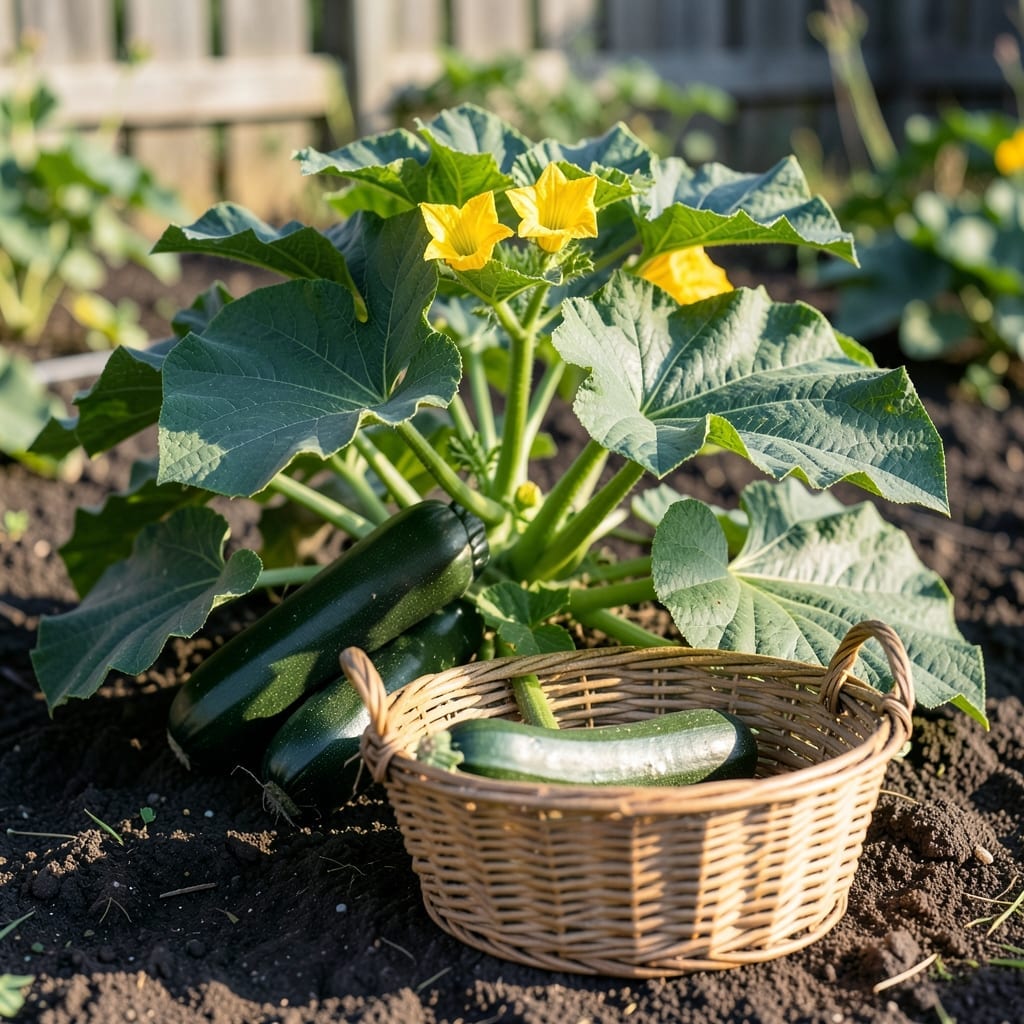
There’s nothing quite like watching your garden thrive, especially when 🥒 Zucchini plants start producing in abundance. If you’ve ever wondered how long this productivity lasts, you’re not alone.
With the right care, your Zucchini can keep delivering fresh harvests for weeks. But how do you make the most of this window? Understanding the timeline is the key to maximizing your yield.
From planting in spring to that first exciting harvest, Zucchini plants are known for their generous production. Yet, many gardeners miss simple tricks to extend their season even longer.
Discover how to keep your plants productive and enjoy a steady supply of this versatile veggie all through the warmer months.
If you’re growing zucchini, you’ll be thrilled to know these plants are prolific producers. From planting to first harvest, expect about 45-60 days, with peak production lasting 6-8 weeks under ideal conditions.
The zucchini timeline begins with planting in spring when soil reaches 60°F. First fruits appear quickly, and with proper care, your plants will keep producing until temperatures drop or frost arrives. ☀️
| Stage | Duration | Key Notes |
|---|---|---|
| Plant to Harvest | 45-60 days | First fruits ready |
| Peak Production | 6-8 weeks | Most abundant harvest |
| Season End | Frost arrival | Production stops |
Several key factors influence how long your zucchini will produce. Climate plays a huge role—warm, consistent temperatures keep plants thriving. In cooler zones, the season may be shorter, while warmer areas enjoy extended production.
Plant variety also matters. Some zucchini types are bred for longer production windows. I’ve found that heirloom varieties often outlast newer hybrids, but both can deliver impressively with the right care.
Proper garden care can significantly extend your harvest. Regular watering at the base of plants, not overhead, prevents disease. Aim for 1-2 inches of water weekly, adjusting for rainfall. 💧
Fertilization keeps plants productive. Use a balanced 10-10-10 fertilizer every 4-6 weeks. I apply mine in early morning to avoid burning the plants during hot days.
Don’t forget about pollination. Zucchini plants rely on bees and other pollinators. If you notice fewer fruits forming, it might be a pollination issue. Planting pollinator-friendly flowers nearby can help.
As the season progresses, watch for signs of decline. Yellowing leaves or reduced flowering indicate your plant is winding down. This is natural, but proper care can delay it.
In my experience, the most reliable zucchini producers are those planted in full sun with rich, well-draining soil. A little compost at planting time goes a long way toward a bountiful, extended harvest. 🌱
I love how zucchini plants can keep producing if you give them a little extra care. With the right approach, you can stretch that harvest window well beyond the typical 6-8 weeks of peak production.
Start by harvesting regularly—this signals the plant to keep producing more. I’ve seen gardeners double their yield just by picking every 2-3 days during peak season.
I always water at the base in the early morning to keep foliage dry and prevent disease. Consistent moisture is key, especially when fruits are forming.
Don’t forget fertilizer—a balanced 10-10-10 every month keeps plants vigorous. I apply mine after a deep watering for best absorption.
Pest control is critical. I check leaves daily for squash bugs or powdery mildew and act fast with organic sprays if needed.
If summer heat waves hit, I use shade cloth to protect plants from wilting. This simple step can extend production by 2-3 weeks in hot climates.
☀️