
Beautiful Plants For Your Interior
Beautiful Plants For Your Interior
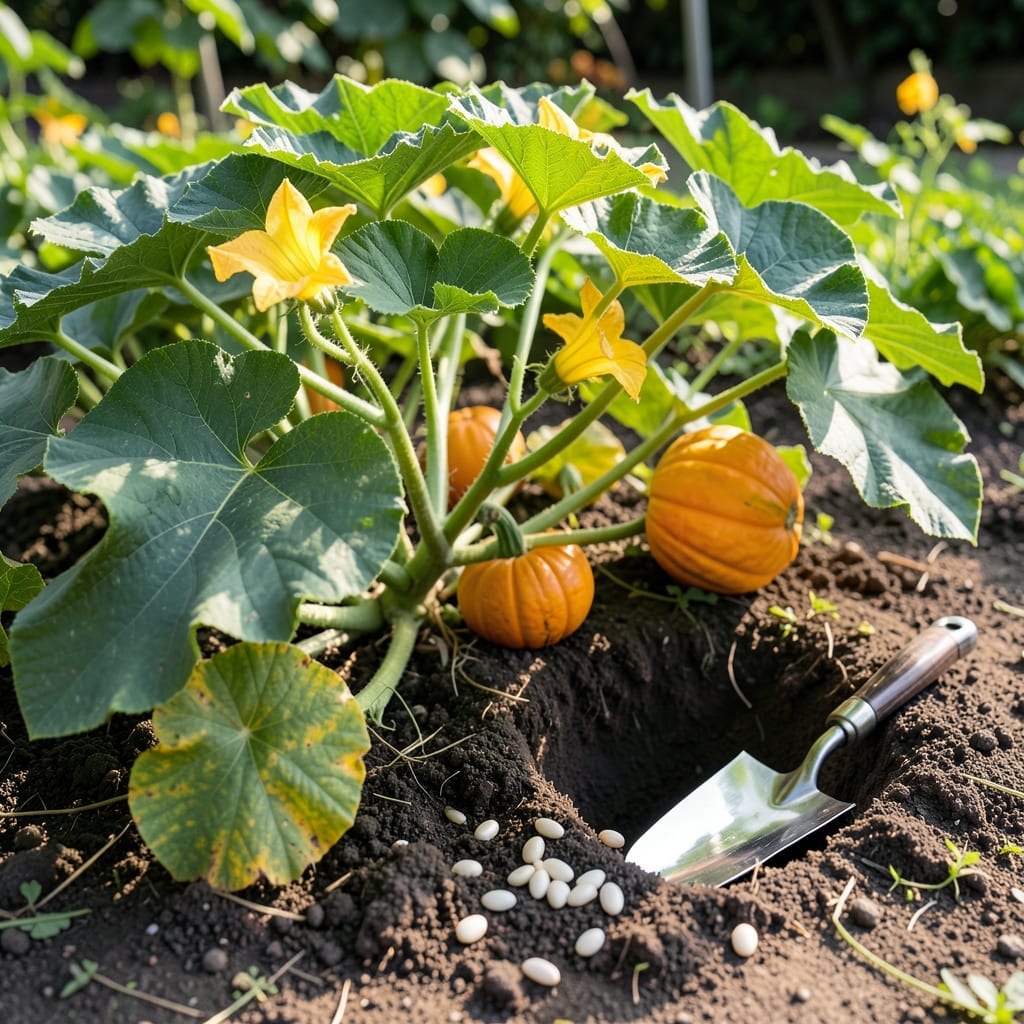
Pumpkin seeds sprout faster than you’d expect. I’ve seen them push through soil in as little as 5 days under perfect conditions, though 7-10 days is more typical.
The real difference maker is soil temperature. Anything below 70°F slows them down dramatically. I learned this the hard way with a chilly spring that left me staring at bare soil for weeks.
What you get is that first exciting sight: tiny green hooks breaking the surface. With consistent moisture and warmth, they’ll establish quickly and start growing those iconic pumpkin vines.
Works for all pumpkin varieties, though smaller types may sprout a day or two faster. Here’s how to get it right from the start.
Understanding why pumpkin seeds don’t all sprout at the same time starts with recognizing the key factors that influence germination. Here’s a breakdown of the most common causes:
Older or poorly stored seeds have lower viability. Pumpkin seeds typically remain viable for 4–6 years if kept in cool, dry conditions. As seeds age, their internal enzymes degrade, slowing metabolic processes required for sprouting. Always use fresh, high-quality seeds from reputable suppliers for faster, more consistent germination.
Pumpkin seeds germinate best in soil temperatures between 70–90°F (21–32°C). Cooler soils (below 60°F/15°C) drastically slow enzyme activity, delaying sprouting. Conversely, extreme heat can denature proteins, halting growth. Use a soil thermometer and consider heat mats in cooler climates to maintain optimal warmth.
Overwatering can suffocate seeds, while dry soil prevents the hydration needed to activate germination. Pumpkin seeds require consistent moisture—not soggy conditions. Aim for soil that’s damp to the touch but well-draining. A spray bottle can help maintain even moisture without waterlogging.
Heavy or compacted soil restricts oxygen flow, stifling seed respiration. Pumpkin seeds need loose, aerated soil to sprout efficiently. Plant seeds at a depth of 1–1.5 inches—too deep, and they’ll struggle to break through; too shallow, and they may dry out or wash away.
Some pumpkin seeds have thicker coats, which can delay water absorption and enzyme activation. Pre-soaking seeds in lukewarm water for 12–24 hours can soften the coat, speeding up germination. Avoid soaking longer, as it risks rotting.
If your pumpkin seeds aren’t sprouting within the expected 5–10 days, don’t panic. Below are targeted fixes for common germination problems, along with prevention tips to keep your seeds on track.
Seeds older than 1–2 years may have low viability. Fix: Test a few seeds by placing them in a damp paper towel inside a sealed bag. If most don’t sprout within 3–5 days, replace them with fresh seeds. Prevention: Always check the packaging date and store seeds in a cool, dry place.
Seeds need consistently moist (not soggy) soil to germinate. Fix: Mist the soil daily with a spray bottle to maintain even moisture. Cover the tray with plastic wrap to retain humidity until sprouts appear. Prevention: Use a seed-starting mix with good drainage and avoid letting the soil dry out.
Pumpkin seeds germinate best at 70–90°F. Fix: Move seed trays to a warm spot, like the top of the refrigerator, or use a heat mat. If outdoors, wait until soil temps reach at least 60°F. Prevention: Use a soil thermometer to monitor temperature before planting.
Seeds buried too deep (more than 1 inch) struggle to break through the soil. Fix: Gently uncover and replant seeds at a depth of ½–1 inch. Prevention: Follow the rule of thumb: plant seeds twice as deep as their width.
Heavy or clay-like soil can suffocate seeds. Fix: Mix in compost or perlite to improve aeration. For containers, use a lightweight seed-starting mix. Prevention: Loosen the soil to a depth of 6 inches before direct sowing.
Pro tip 💡: Label your seeds with planting dates to track germination progress and adjust conditions as needed!
Pumpkin seeds thrive in 70-90°F soil. Below 60°F, germination slows dramatically. Use a soil thermometer to check before planting.
Plant ½-1 inch deep. Too shallow and they dry out; too deep and they struggle to surface. Follow the “twice as deep as wide” rule.
Pre-soak seeds in lukewarm water for 12-24 hours to soften the coat. Use a heat mat to maintain consistent warmth.
Keep soil consistently moist but not soggy. Mist daily with a spray bottle for even moisture. Avoid waterlogging.