
Beautiful Plants For Your Interior
Beautiful Plants For Your Interior
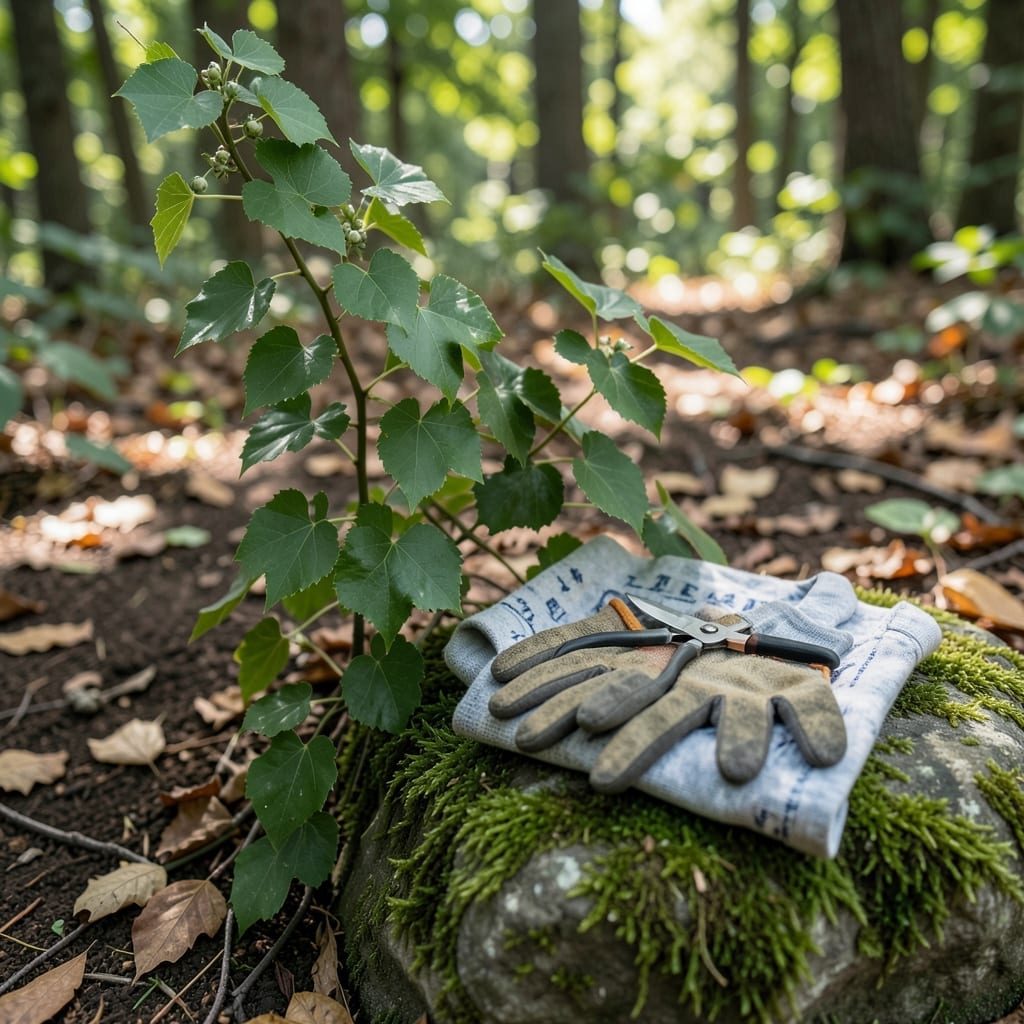
That itchy nightmare lasts 2-3 weeks on average. I learned the hard way after clearing brush without checking what I was touching—now I spot the “leaves of three” from a mile away.
The rash timeline depends on severity and treatment, but the oil from the plant stays active on tools and clothes for months. Washing everything after exposure is non-negotiable.
Prevention starts with identification: shiny or dull leaves in clusters of three, sometimes with white berries. Remove the plant carefully (with gloves) or smother it with cardboard to avoid skin contact.
For existing rashes, cool compresses and oatmeal baths help while you wait it out. The key is patience—nature’s timeline can’t be rushed.
Poison ivy rash develops due to an allergic reaction triggered by urushiol, a natural oil found in the plant’s leaves, stems, and roots. Even slight contact can cause a red, itchy rash in 80–90% of people. Below are the primary reasons this reaction occurs.
The rash appears when urushiol penetrates the skin. This oil binds to skin proteins, prompting the immune system to release histamine, which causes inflammation, blisters, and itching. Direct contact isn’t the only risk—urushiol can linger on tools, pet fur, or clothing, leading to indirect exposure.
Your body mistakes urushiol for a harmful invader, launching an aggressive immune response. White blood cells rush to the affected area, releasing cytokines that amplify irritation. This overreaction explains why the rash can spread or worsen over days, even if you’ve washed the oil off.
First-time exposure may not cause a rash, but repeated contact sensitizes the immune system. Subsequent encounters trigger stronger reactions. This is why some people develop a rash faster or more severely with each exposure.
Actionable tip: Wash skin immediately with soap and cool water to remove urushiol and reduce reaction severity.
Dealing with poison ivy rashes can be frustrating, but these practical solutions will help you find relief and speed up healing. Here’s how to tackle each issue:
Relieve the itch with cool compresses or oatmeal baths to soothe the skin. Over-the-counter hydrocortisone cream or calamine lotion can also reduce inflammation and discomfort. For severe cases, oral antihistamines like Benadryl may help.
Keep the area clean and dry to prevent infection. Apply aluminum acetate (Burow’s solution) or warm black tea compresses to dry out blisters. Avoid popping them—this can worsen the rash or lead to scarring.
Wash the affected area immediately with soap and cold water to remove the plant’s oil (urushiol). Use rubbing alcohol or specialized cleansers (like Tecnu) if the rash is spreading. Wash all clothing, tools, or pets that may have touched the plant.
With the right care, most poison ivy rashes improve within 1–3 weeks. If symptoms worsen or persist, consult a doctor.
Cool compresses and oatmeal baths soothe skin while hydrocortisone cream reduces inflammation. Wash the area immediately with soap and cold water to remove lingering oils.
No, the rash itself isn’t contagious. However, urushiol oil on skin, clothes, or tools can transfer to others. Wash everything thoroughly to prevent indirect exposure.
Your immune system reacts strongly to urushiol, causing prolonged inflammation. Blisters and itching typically peak within 1-2 weeks before gradually subsiding.
Seek medical attention if the rash covers a large area, affects your face or genitals, or shows signs of infection like pus or fever. Severe cases may need prescription treatment.