
Beautiful Plants For Your Interior
Beautiful Plants For Your Interior
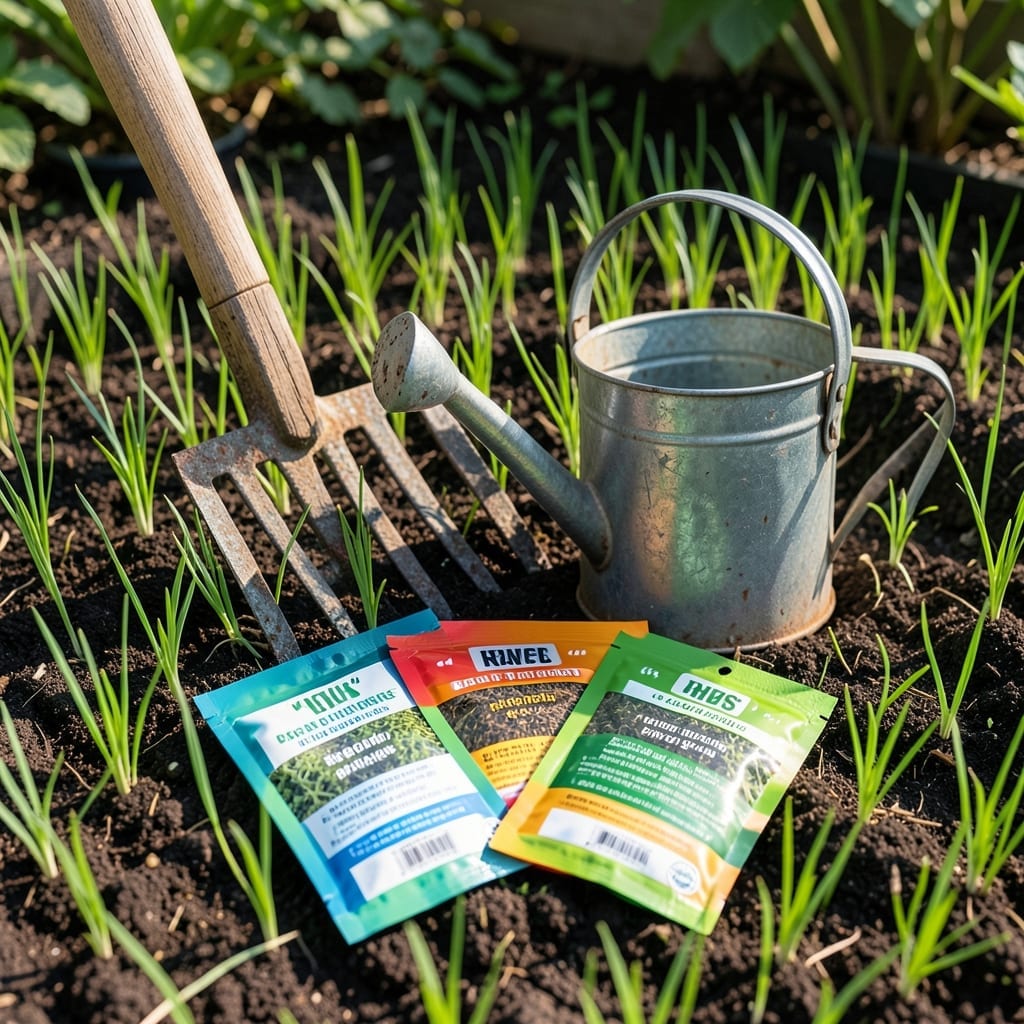
Waiting for Grass seed to sprout can feel like watching paint dry—until you see that first green blade. The timeline varies by type, climate, and care, but knowing what to expect turns frustration into patience.
I’ve tested different methods in Zone 6, and the results surprised me. Whether you’re planting in spring or tackling a patchy lawn, understanding the process is the key to success.
Let me walk you through the germination timeline, the factors that speed it up or slow it down, and how to spot early signs of growth versus failure.

If you’ve ever wondered how long for grass seed to grow, the answer depends on the variety. Some types sprout in just 5 days, while others take 30 days or more to show life. I’ve learned that patience and preparation make all the difference.
Cool-season grasses like Kentucky Bluegrass and Fescue thrive in 60-75°F soil, while warm-season varieties such as Bermuda prefer 75-85°F. Knowing your grass type helps set realistic expectations.
| Grass Type | Germination Time | Ideal Soil Temp |
|---|---|---|
| Ryegrass | 5-10 days | 55-70°F |
| Fescue | 7-14 days | 60-75°F |
| Kentucky Bluegrass | 14-30 days | 60-75°F |
| Bermuda | 10-30 days | 75-85°F |
| Zoysia | 14-21 days | 70-85°F |
Ryegrass is the speed demon of the bunch, often sprouting in 5-10 days under ideal conditions. It’s a great choice if you need quick coverage, but it’s less durable in high-traffic areas.
Fescue and Kentucky Bluegrass are popular for cooler climates. Fescue germinates in 7-14 days, while Kentucky Bluegrass can take 2-4 weeks but rewards you with a lush, durable lawn.
For warmer regions, Bermuda and Zoysia are top picks. Bermuda can sprout in 10-30 days, but it thrives in heat and handles drought well. Zoysia takes 2-3 weeks and forms a dense, low-maintenance turf.
I’ve found that soil temperature is the biggest factor. Use a soil thermometer to check conditions before planting. If the soil is too cold, seeds may lie dormant or rot.
Another tip: Keep the soil consistently moist but not soggy. Water lightly daily until seeds germinate, then gradually reduce frequency as the grass establishes. This prevents crusting and ensures even growth.
Regional differences matter too. In northern climates, early fall planting often yields the best results, while southern lawns benefit from late spring or early summer seeding when the soil is warm enough.
If you’re overseeding an existing lawn, mow low and remove debris to give seeds direct contact with the soil. This simple step can shave days off the germination timeline.
Remember, these timelines are averages. Factors like seed quality, soil prep, and watering consistency can all shift the schedule. Patience and attention to detail always pay off 🌱
The time it takes for grass seed to grow isn’t set in stone. I’ve seen seeds sprout in 5 days or linger for weeks, and the difference often comes down to a few key factors.
Watering consistency tops the list. Too little water dries out seeds, while too much can drown them. Aim for light daily watering until germination, then taper off as grass establishes.
Seed depth is another critical factor. Planting too deep can suffocate seeds, while surface sowing leaves them vulnerable to wind or birds. I always aim for a 1/4-inch depth for best results.
Sunlight exposure plays a huge role. Most grasses thrive in full sun, but some varieties tolerate shade. Check your seed’s requirements and match them to your lawn’s conditions.
Don’t underestimate soil preparation. Loosening the top 2-3 inches of soil and removing debris gives seeds the best chance to root. A simple rake can make a world of difference.
Finally, weather conditions can make or break your timeline. Planting before a cold snap or heat wave can delay germination. I always check the forecast before sowing.
Small adjustments in these areas can shave days off your wait time and lead to a thicker, healthier lawn ✂️