
Beautiful Plants For Your Interior
Beautiful Plants For Your Interior
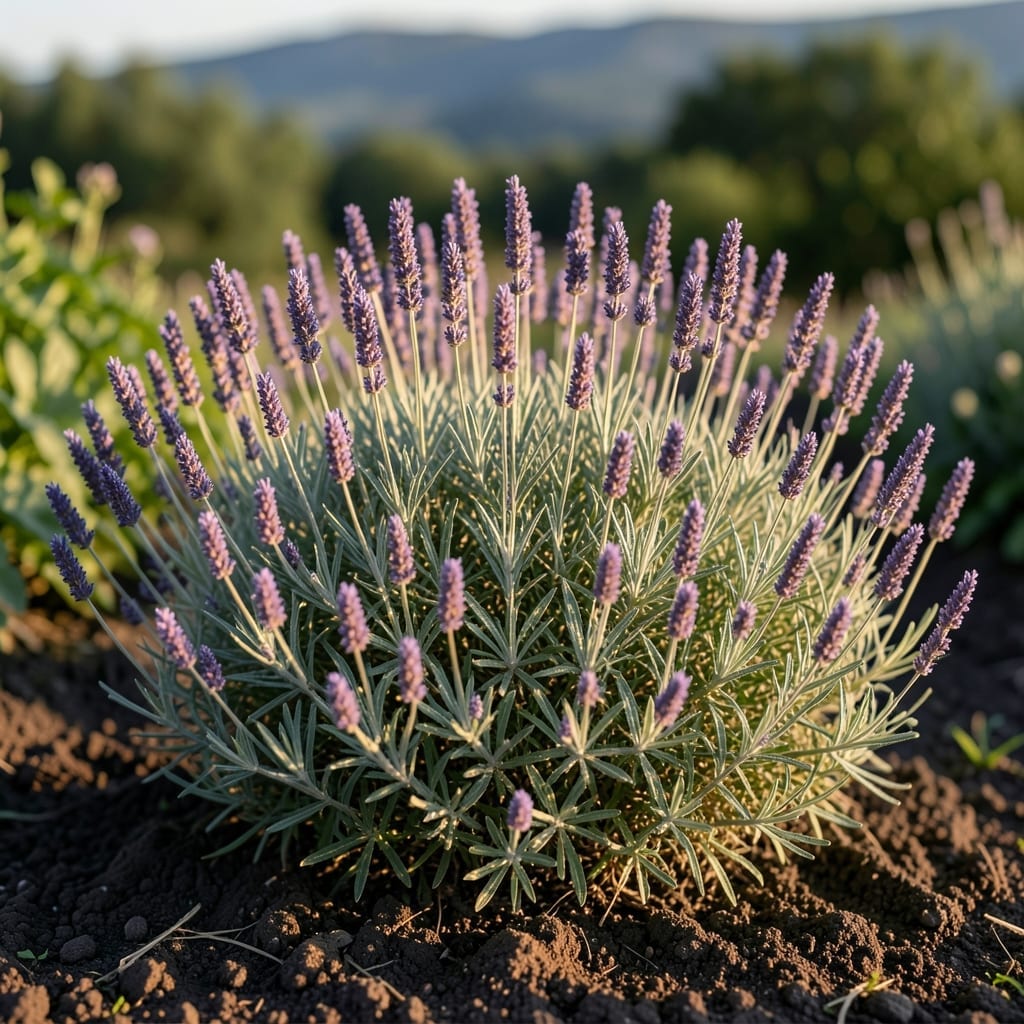
Patience is key when growing 🟣 Lavender from seed. This fragrant herb follows its own timeline, and understanding its growth stages helps set realistic expectations.
From the first sprout to those coveted purple blooms, the journey requires attention to detail and a bit of waiting. But trust me, the payoff is absolutely worth it.
Let me walk you through what to expect, including the factors that can speed up or slow down your Lavender’s growth. You’ll be enjoying those first blooms before you know it.


Growing 🟣 lavender from seed is a rewarding journey that requires patience. The timeline varies based on variety, climate, and growing conditions, but I’ll break it down for you.
From the first sprouts to full maturity, lavender follows a distinct growth pattern. Understanding each stage helps you provide the best care at the right time.
| Stage | Duration | Key Notes |
|---|---|---|
| Germination | 14-28 days | Keep soil moist and warm |
| Seedling Growth | 8-12 weeks | Provide bright light and good airflow |
| Maturation | 3-6 months | Transplant to permanent location |
| First Blooms | 1-2 years | Patience pays off with fragrant flowers |
The germination stage is the first hurdle. Lavender seeds can take 2-4 weeks to sprout if given consistent moisture and warmth around 70°F. I recommend using a seed-starting mix for best results.
Once sprouted, your lavender seedlings need plenty of light. A south-facing window or grow lights for 14-16 hours daily will prevent leggy growth. Thin seedlings to 3-4 inches apart to avoid crowding.
The seedling stage lasts about 8-12 weeks. During this time, focus on strengthening the roots and hardening off the plants before transplanting. Gradually introduce them to outdoor conditions over a week.
After transplanting, lavender enters its maturation phase. This can take 3-6 months, depending on the variety. English lavender tends to mature faster than Spanish or French types. Ensure well-draining soil to prevent root rot.
Finally, the moment you’ve been waiting for: first blooms. Most lavender plants won’t flower until their second year. However, with optimal care and ideal conditions, some may produce a few blooms in their first year. 🌱
Remember, climate plays a big role. In warmer zones (7-9), lavender grows faster. In cooler areas (5-6), expect a slower pace. Container growing can also speed up the process by controlling conditions.
For the quickest results, consider starting with lavender cuttings or nursery plants. These can shave off months compared to seeds, giving you blooms in the first season. 🌿
If you’re eager to see those fragrant purple blooms sooner, there are natural ways to encourage faster growth. I’ve tested these methods in my own garden with great success.
Starting with cuttings instead of seeds can save months of waiting. Cuttings from mature lavender plants often root within 4-6 weeks and may flower in their first year.
The soil mix makes a huge difference. I recommend blending 50% potting soil with 50% perlite or sand for excellent drainage. Lavender hates wet feet, so this is non-negotiable.
Sunlight is another critical factor. Place your lavender where it gets unfiltered sunlight for most of the day. If growing indoors, supplement with grow lights to mimic natural conditions.
When it comes to watering, less is more. Lavender is drought-tolerant once established. Water only when the top inch of soil is dry, and always water at the base to avoid wetting the foliage.
Finally, pruning encourages bushier, healthier plants. In early spring, trim back about 1/3 of the plant to promote new growth. Avoid heavy pruning in fall, as it can leave the plant vulnerable to winter damage.
With these tips, you’ll be enjoying lavender blooms in record time. 🌿