
Beautiful Plants For Your Interior
Beautiful Plants For Your Interior
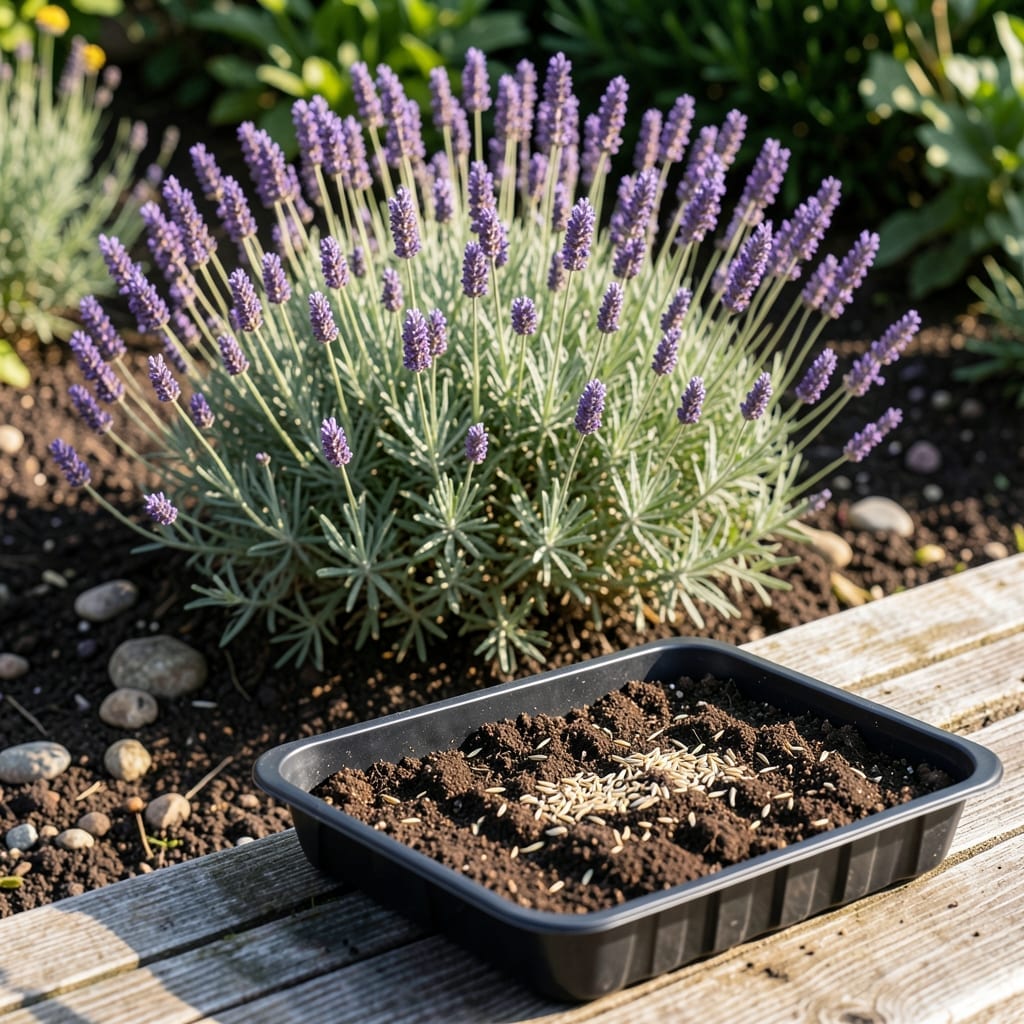
If you’ve ever planted 🟣 Lavender seeds and wondered when you’ll see those first green sprouts, you’re not alone. Germination times can test even the most patient gardener.
This beautiful herb doesn’t follow the fast timeline of some plants. Understanding what affects its growth makes the wait worthwhile for zones 5-9.
Let me walk you through the process and share what I’ve learned about giving these seeds their best start in spring or fall.
I know how exciting it is to watch lavender seeds begin their journey. The typical germination timeline for lavender is 14 to 28 days, but this can vary.
Several environmental factors like temperature and moisture levels play a huge role in how quickly your seeds will sprout. Let’s break it down.
| Stage | Timeframe | Key Conditions |
|---|---|---|
| Pre-germination | Day 0-7 | Stratify seeds at 40°F for 1-2 weeks |
| Initial Sprouting | Day 7-14 | 70-75°F soil, consistent moisture |
| Visible Germination | Day 14-21 | Good light exposure, well-draining soil |
| Seedling Emergence | Day 21-28 | Reduce watering, maintain warmth |
In my experience, English lavender tends to germinate faster than other varieties. The first signs of life usually appear as tiny green shoots breaking through the soil.
For best results, I recommend using a seed-starting mix that’s light and airy. This helps prevent compaction that can slow down the process.
The ideal temperature range is between 70-75°F. I’ve found that using a heat mat can significantly speed up germination in cooler climates.
Remember that light is crucial once those first sprouts appear. I place my seed trays under grow lights for about 14-16 hours a day.
Consistent moisture levels are important, but be careful not to overwater. I use a spray bottle to mist the soil gently, keeping it damp but not soggy.
Different lavender varieties have slightly different timelines. Spanish lavender might take a bit longer, while Munstead lavender often sprouts more quickly.
Patience is key with lavender seeds. Even under perfect conditions, some seeds might take the full 28 days to germinate. Don’t give up hope if you don’t see immediate results.
I’ve found that lavender seeds can be coaxed to sprout faster with the right techniques. The key is creating ideal conditions that mimic their natural environment.
One of the most effective methods I use is cold stratification. This process tricks the seeds into thinking they’ve gone through winter, which can significantly speed up germination.
I always start my lavender seeds indoors 8-10 weeks before the last frost. This gives them a head start and protects them from cold spring nights that could set back their growth.
For stratification, I place seeds between damp paper towels in a sealed bag. This method works just as well as planting them in soil first. Just
The heat mat is a game-changer in my setup. It maintains the perfect soil temperature consistently, which is crucial for faster germination. I’ve seen seeds sprout in as little as 10 days with this method.
Once sprouted, I move the seedlings to a sunny windowsill or under grow lights. The light intensity helps prevent leggy growth and encourages strong stems. 🌱