
Beautiful Plants For Your Interior
Beautiful Plants For Your Interior
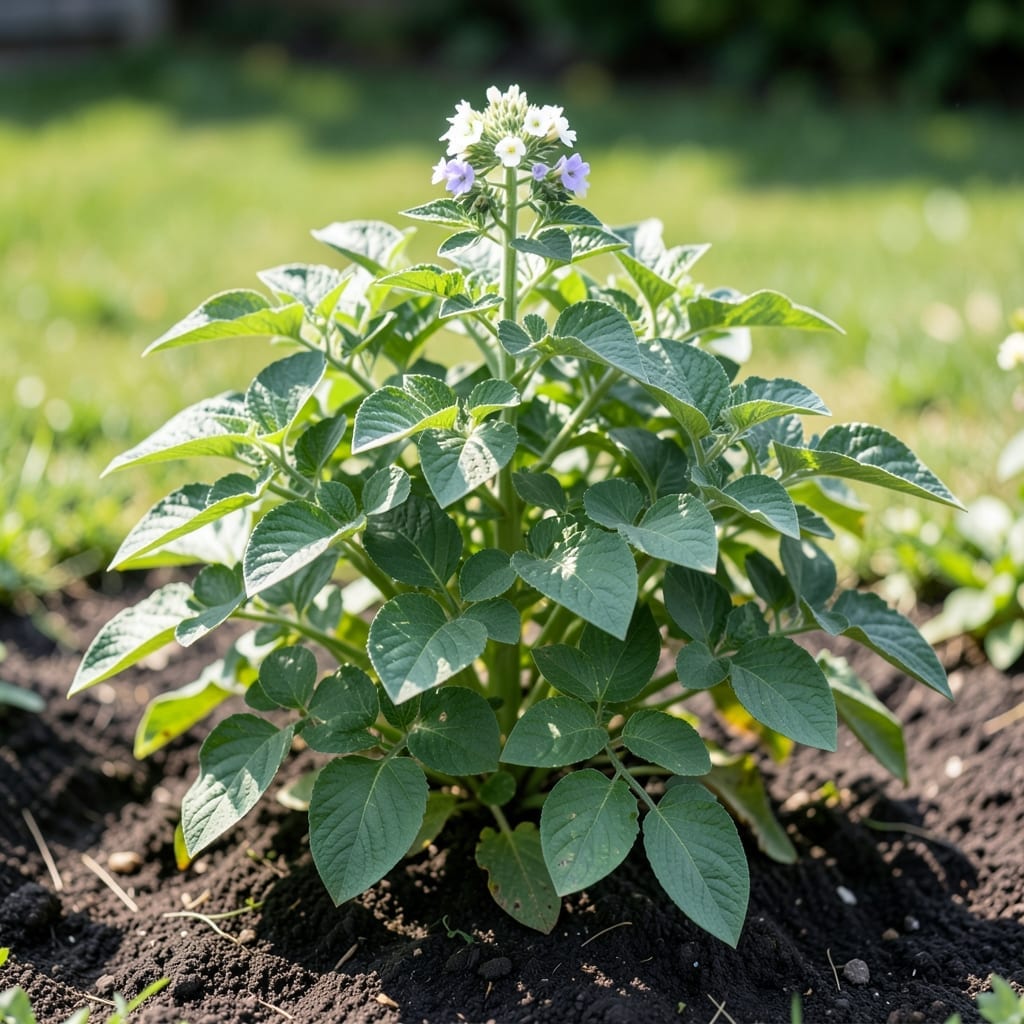
Growing your own 🥔 Potato can transform your garden into a source of fresh, homegrown meals. But timing is everything when it comes to getting that perfect harvest.
From the moment you plant those seed potatoes, you’re looking at a journey of 60 to 120 days. The exact time depends on the variety and growing conditions you choose.
I’ll walk you through each stage, from sprouting to harvest, so you can plan your planting schedule with confidence and enjoy the fruits of your labor.

The journey from seed potato to harvest varies by potato variety and growing conditions. Early varieties can be ready in 60 days, while late-season types may take 120 days or more to mature.
Understanding each growth stage helps you monitor progress and adjust care. Factors like soil temperature, water, and sunlight play crucial roles in determining how long it takes to grow potato.
| Stage | Duration | Key Development |
|---|---|---|
| Sprouting | 7-14 days | Shoots emerge from seed potatoes |
| Foliage Growth | 2-3 weeks | Green leaves and stems develop |
| Flowering | 4-6 weeks | Plants produce blossoms |
| Tuber Formation | 6-8 weeks | Underground potatoes begin growing |
| Maturity | 8-16 weeks | Potatoes reach harvestable size |
Early varieties like Yukon Gold or Red Pontiac typically mature in 70-90 days. These are perfect for gardeners wanting a quicker harvest or those in regions with shorter growing seasons.
Mid-season potatoes, such as Kennebec, usually take 90-110 days. They offer a balance between growth time and yield potential, making them a popular choice.
Late-season varieties like Russet or Sweet potatoes can take 110-135 days. These need a longer warm season but often produce larger tubers ideal for storage.
Soil conditions significantly impact growth. Well-draining soil with a pH of 5.0-6.5 is ideal. If your soil is too cold below 45°F, seed potatoes may rot instead of sprouting.
Temperature also affects how long it takes to grow potato. Cool weather slows growth, while consistent warmth between 60-70°F speeds up development. Too much heat above 85°F can stress plants.
Watering consistently is crucial. 1-2 inches per week keeps soil moist but not waterlogged. Hilling (mounding soil around stems) every 2-3 weeks encourages more tuber formation and prevents greening.
For the best results, plant certified disease-free seed potatoes. These are specifically grown for planting and give you a head start on a healthy crop. Always cut larger seed potatoes with multiple eyes to speed up sprouting.
Remember, the timeline can shift based on your local climate and garden conditions. In cooler areas, you might need to start seeds indoors or use black plastic mulch to warm the soil faster.
You can influence how long it takes to grow potato by adjusting a few key factors. Certified seed potatoes give you the most reliable start, as they’re disease-free and ready to sprout quickly.
For faster growth, I recommend warming the soil to at least 50°F before planting. Using black plastic mulch helps retain heat and speeds up early development. Planting in full sun with 6-8 hours of light also encourages quicker maturity.
If you want to slow growth for a later harvest, plant late-season varieties like Russet. These naturally take 110-135 days to mature, giving you more time to manage your garden schedule.
For new potatoes, you can harvest as early as 2-3 weeks after flowering begins. These will be smaller but incredibly tender. For storage potatoes, wait until the foliage dies back completely and the skins toughen up.
Soil temperature is another critical factor. If your soil stays below 45°F, potatoes won’t sprout. I’ve found that raising beds or using containers can help warm the soil faster in spring.
Remember, consistent watering is key to steady growth. Too much water can rot the tubers, while too little will stress the plants and reduce your yield. I aim for moist but not soggy soil throughout the growing season. ☀️