
Beautiful Plants For Your Interior
Beautiful Plants For Your Interior
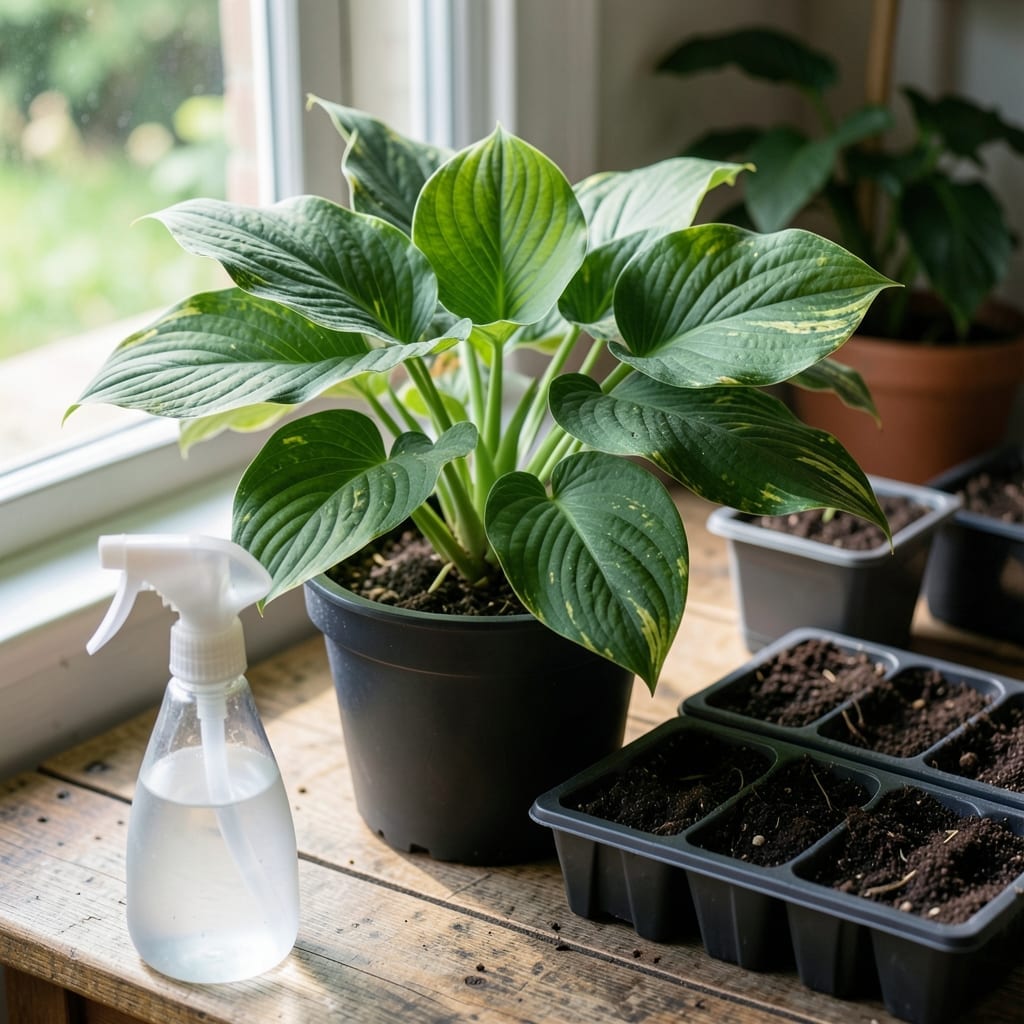
Growing Hosta 🌿 from seed can test even the most patient gardener. Unlike instant gratification from nursery plants, germination demands time and precise conditions to succeed.
I’ve learned the hard way that rushing this process often leads to disappointment. The wait can feel endless when you’re eager to see those first green shoots emerge from the soil.
What most gardeners don’t realize is that 2-4 weeks is typical, but factors like temperature and moisture can stretch this timeline significantly. Understanding these variables is the key to setting realistic expectations.
Discover how to create the perfect environment for your Hosta seeds and what signs to watch for as they begin their journey from dormancy to vibrant foliage.

If you’re starting hostas from seed, patience is your best friend. Unlike some fast-sprouting annuals, hosta seeds take their sweet time—typically 2 to 4 weeks to germinate under ideal conditions.
I’ve found that temperature and moisture consistency are the biggest game-changers in speeding up or slowing down this process. Seeds kept at 65-75°F with steady moisture will sprout faster than those in cooler or drier environments 🌱
| Stage | Timeframe | Key Conditions |
|---|---|---|
| Sowing Seeds | Day 1 | Moist soil, 65-75°F |
| Early Germination | Days 7-14 | Consistent moisture, indirect light |
| Sprouting | Days 14-21 | Well-draining soil, shade |
| Seedling Growth | Days 21-30 | Partial shade, regular watering |
| True Leaves Appear | Days 30-45 | Fertile soil, filtered light |
Some gardeners report seeing tiny green shoots as early as 10 days, while others wait up to 6 weeks. The variation often comes down to seed freshness and pre-treatment methods like stratification.
I always recommend soaking hosta seeds for 12-24 hours before planting. This softens the seed coat and can cut germination time by several days. Just be sure to use room-temperature water for best results.
Light exposure matters too. While hostas love shade as mature plants, the seeds actually need indirect light to germinate. A bright windowsill with sheer curtains works perfectly in my experience.
Don’t be alarmed if some seeds take longer. Even in the same batch, you might see staggered germination. I’ve had trays where 80% of seeds sprouted in 3 weeks, but a few stragglers took nearly 2 months.
Remember that soil temperature is more important than air temperature. Using a seedling heat mat can maintain that ideal 70°F soil temp that hosta seeds love, especially in cooler climates 🌿
Once you see those first green loops pushing through the soil, you’ll know your patience has paid off. At this point, it’s crucial to keep the soil consistently moist but not waterlogged to prevent damping off.
The germination process is just the beginning. Those tiny sprouts will need another 4-6 weeks of careful nurturing before they’re ready to transplant. But watching that first hosta leaf unfurl makes every day of waiting worthwhile 🪴
Starting hosta seeds can test your patience, but I’ve found a few proven tricks to shave days off the process. The key is creating a consistent environment that mimics natural spring conditions indoors. 🌱
With the right approach, you can see faster sprouting and more robust seedlings. I always start with quality seed-starting mix and maintain steady warmth to encourage quick growth.
I’ve had the best luck with pre-soaking seeds before planting. This simple step can reduce germination time by nearly a week by breaking down the seed’s natural dormancy. Just be sure to use sterilized tools to avoid contamination. 🌿
Another game-changer is using a seedling heat mat. These inexpensive tools maintain the ideal temperature range that hosta seeds love. I place mine under a grow light setup for even better results, especially in cooler months.
Remember that consistent moisture is critical. I check my seed trays daily and mist them with a spray bottle to keep the soil surface from drying out. This prevents the seeds from entering another dormancy period.
Finally, don’t rush the process. Even with these tips, hosta seeds typically take 2-4 weeks to germinate. I’ve found that the extra care upfront leads to stronger seedlings that transplant beautifully into the garden. ✂️