
Beautiful Plants For Your Interior
Beautiful Plants For Your Interior
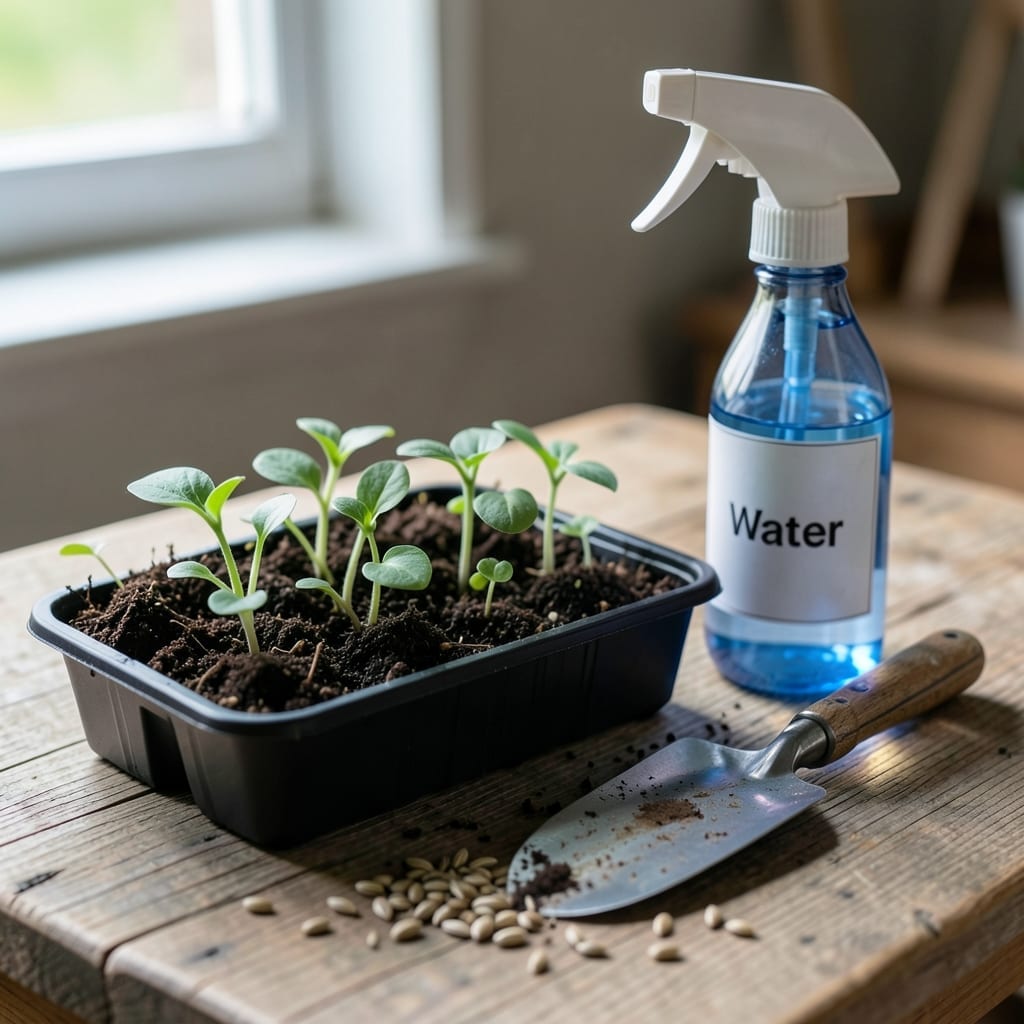
There’s nothing quite like watching the first tiny sprouts of 🌼 Zinnia poke through the soil. As a gardener, I know the anticipation can be almost unbearable.
While Zinnia seeds are known for their reliability, the germination time can vary. Understanding what affects this process helps you plan your planting schedule with confidence.
Let me walk you through what to expect and how to create the ideal conditions for those vibrant blooms to appear right on schedule.


I always get excited when planting zinnia seeds because they’re known for their quick germination. Most varieties sprout within 5 to 10 days under ideal conditions, making them perfect for impatient gardeners like me.
What many don’t realize is that soil temperature plays the biggest role. Zinnias prefer 70-75°F soil for fastest results. Cooler soils can double the germination time, while warmer conditions might speed it up slightly.
| Stage | Timeframe | Conditions |
|---|---|---|
| Planting | Day 0 | Moist, warm soil |
| Initial Sprouting | Days 3-5 | 70-75°F, consistent moisture |
| Full Germination | Days 5-10 | Good light, no soggy soil |
| First True Leaves | Days 10-14 | 6+ hours sunlight daily |
In my experience, seed depth matters too. Planting 1/4 inch deep is ideal. Any deeper and the tiny seedlings struggle to push through the soil, which can delay germination by several days.
Moisture consistency is another key factor. I use a spray bottle to keep the soil evenly damp without waterlogging. Too much water can cause the seeds to rot before they even sprout.
Different zinnia varieties have slightly different timelines. Dwarf zinnias often germinate a day or two faster than the giant varieties. But regardless of type, they all need warmth and light to thrive.
I’ve found that starting seeds indoors gives me more control. Using a heat mat can maintain that perfect 70-75°F range, even if my home is cooler. This often shaves a day or two off the germination time.
Remember that older seeds may take longer to germinate. I always check the pack date on seed packets. Fresh seeds from last season typically perform best, while seeds older than 2-3 years might have lower viability.
Once those first green shoots appear, I make sure they get plenty of light. Without adequate light, seedlings become leggy and weak, which can set back their growth by weeks.
With proper care, my zinnia seeds usually sprout right on schedule. The joy of seeing those first tiny leaves unfurl never gets old 🌱
If you’re eager to see your zinnia seeds sprout faster, I’ve found that pre-soaking seeds for 12-24 hours can give them a head start. This softens the seed coat, allowing moisture to penetrate more quickly.
Using a heat mat is another game-changer. By maintaining a consistent 70-75°F soil temperature, you can shave off 1-2 days from the typical germination period. I always check my soil temp with a thermometer to be sure.
I’ve had great success with seed starting mix instead of regular garden soil. It’s lighter and drains better, which prevents waterlogging that can delay or kill seeds. Always use fresh mix for best results.
Consistent moisture is crucial. I mist my seeds daily with a spray bottle to keep the soil damp but not soggy. A plastic cover can help maintain humidity, but remove it once sprouts appear.
Remember that light exposure matters too. While seeds don’t need light to germinate, providing bright, indirect light as soon as they sprout prevents leggy seedlings. I use a grow light for indoor starts.
Avoid the mistake of overwatering. I learned the hard way that soggy soil can cause seeds to rot. The soil should feel damp to the touch, not dripping wet. In my experience, morning watering works best.
With these techniques, I often see zinnias sprout in just 4-5 days. The satisfaction of watching them grow is worth every bit of effort 🌱