
Beautiful Plants For Your Interior
Beautiful Plants For Your Interior
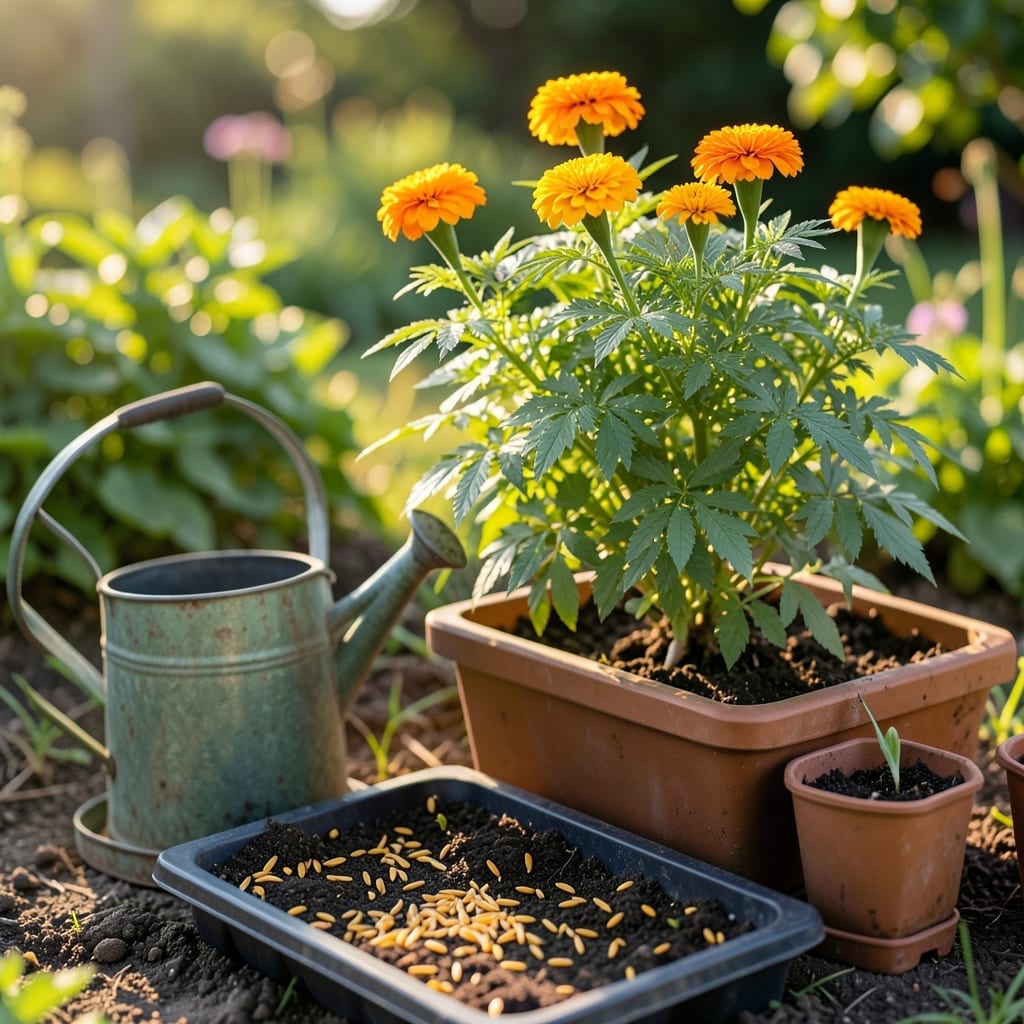
Watching Marigold 🌼 seeds sprout is one of the most satisfying parts of gardening. But timing can make or break your success in growing these vibrant blooms.
Understanding the germination timeline helps you plan your garden and avoid common pitfalls. Whether you’re a beginner or seasoned gardener, knowing what to expect is key.
I’ll walk you through the typical timeline and share practical tips to ensure your Marigold seeds thrive. Let’s get started on this rewarding journey together.
If you’re eager to see Marigold seeds sprout, you’re in for good news. Under ideal conditions, these cheerful flowers typically germinate in just 5 to 10 days. That’s right—you could see tiny green shoots in under two weeks!
However, several factors can influence this timeline. Soil temperature, moisture levels, and even seed age play a role in how quickly your Marigolds will appear. Let me break it down for you so you know exactly what to expect.
| Stage | Timeframe | Key Conditions |
|---|---|---|
| Sowing | Day 0 | 70°F soil, moist |
| Initial Sprouts | 5-7 days | Consistent moisture, warmth |
| Visible Leaves | 10-14 days | Sunlight, well-draining soil |
| Ready to Transplant | 4-6 weeks | 2-3 true leaves, hardened off |
For the fastest results, aim for a soil temperature of at least 70°F (21°C). Cooler soils slow down germination, sometimes stretching it to 10-14 days or more. I’ve found that using a heat mat indoors can shave off a few days if you’re starting early in the season.
Moisture is another critical factor. Keep the soil consistently damp but not waterlogged. Too much water can cause the seeds to rot, while too little will prevent them from sprouting at all. A spray bottle works wonders for gentle, even watering.
Fresh seeds tend to germinate faster than older ones. If your Marigold seeds are more than a year old, test their viability by placing a few on a damp paper towel in a plastic bag. If most sprout within a week, they’re good to go!
The type of Marigold also matters. French Marigolds (Tagetes patula) typically germinate in 5-7 days, while African Marigolds (Tagetes erecta) might take a bit longer, up to 10 days. Both thrive in the same conditions, though.
Once those first true leaves appear, usually around 10-14 days, you’ll know your seedlings are off to a strong start. At this point, ensure they’re getting plenty of light—at least 6 hours daily—to prevent leggy growth.
If you’re planting outdoors, wait until after the last frost date in your area. Marigolds are warm-season plants and won’t tolerate cold. In most regions, April or May is the sweet spot for direct sowing.
Finally, don’t forget that patience is key. Even under perfect conditions, some seeds may take a little longer to wake up. But trust me, when you see those first green shoots pushing through the soil, it’s worth the wait! 🌱
If you’re impatient like me, you’ll want to know how to get those Marigold seeds sprouting as fast as possible. With a few simple tricks, you can shave days off the typical 5-10 day germination window and enjoy blooms sooner.
One of my favorite methods is pre-soaking seeds for 12-24 hours before planting. This softens the seed coat, allowing moisture to penetrate faster. Just place them in lukewarm water and plant immediately after soaking.
A heat mat is a game-changer for early starts. By keeping the soil at a steady 70-75°F, you mimic ideal outdoor conditions. I’ve seen seeds sprout in just 3-5 days with this method.
Another tip: plant shallowly. Marigold seeds need light to germinate, so don’t bury them more than 1/4 inch deep. Press them lightly into moist soil and barely cover them. This ensures they get the light they need to trigger germination.
Consistent moisture is key. Use a spray bottle to mist the soil surface, keeping it damp but not waterlogged. A clear plastic cover or dome can help retain humidity, but remove it once sprouts appear.
Avoid overwatering or letting the soil dry out completely. Both extremes can delay germination or cause seeds to rot. I check my trays daily and water as needed to maintain even moisture.
Finally, ensure your seeds have good air circulation once they sprout. Poor airflow can lead to damping off, a fungal disease that kills young seedlings. A small fan on low can help prevent this issue.
With these tips, you’ll be rewarded with fast, healthy sprouts ready for transplanting in no time! 🌱