
Beautiful Plants For Your Interior
Beautiful Plants For Your Interior
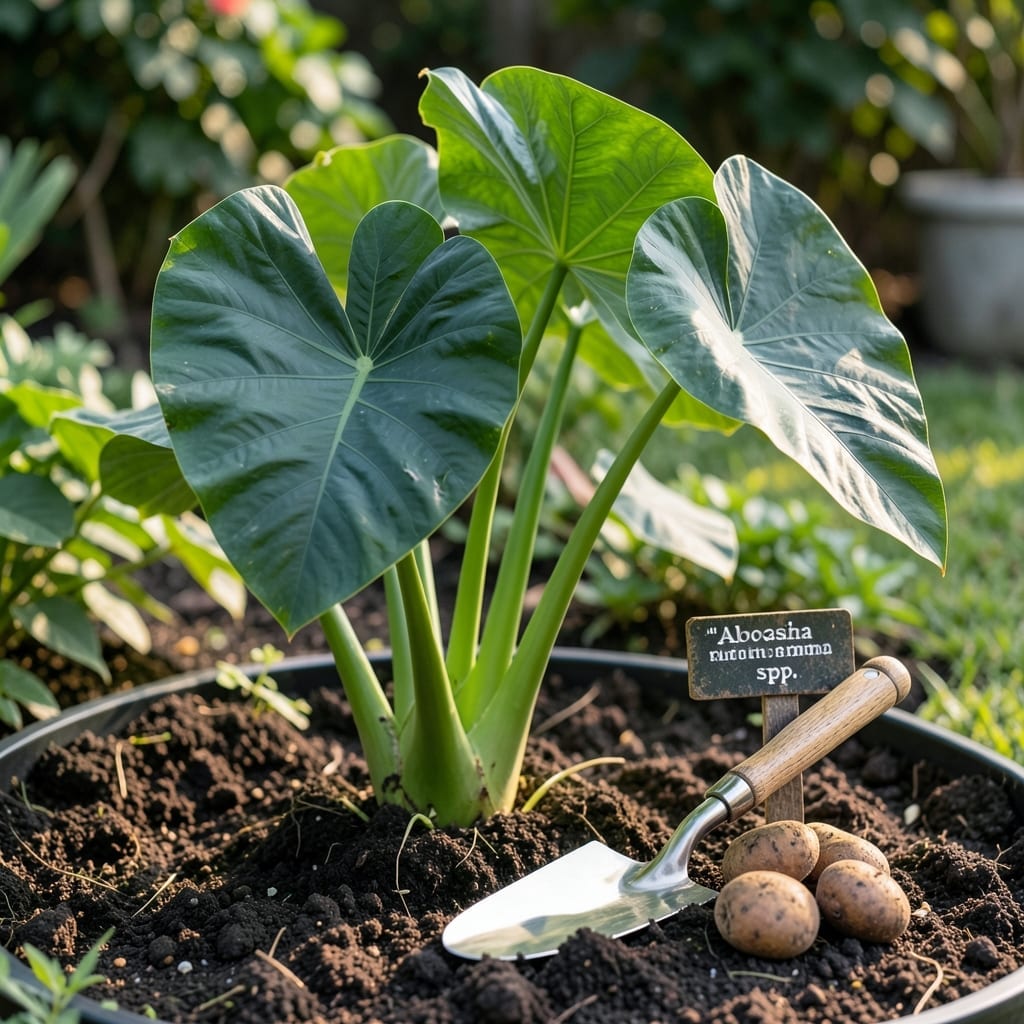
Watching your garden come to life is exciting, but the wait for Elephant Ear 🌿 sprouts can test any gardener’s patience. I remember checking the soil daily, wondering when those first green shoots would appear.
What many don’t realize is that soil temperature and moisture play the key roles in germination speed. The difference between a 7-day and 3-week wait often comes down to these factors.
Let me share what I’ve learned about creating the ideal conditions for your Elephant Ear tubers. You’ll be rewarded with lush tropical foliage sooner than you think.
If you’re eager to see your Elephant Ear tubers sprout, patience is key. In ideal conditions, you’ll see green shoots breaking the soil in 7 to 21 days, though this can vary.
The timeline depends on soil temperature, moisture, and the specific variety. Colocasia tends to sprout faster than Alocasia in my experience. Warmer soil speeds up the process significantly.
| Stage | Timeframe | Key Conditions |
|---|---|---|
| Initial Planting | Day 1 | Soil temp 70°F+ |
| Root Development | Days 3-7 | Consistent moisture |
| Shoots Emerge | Days 7-14 | Warm, well-draining soil |
| First Leaves Unfurl | Days 14-21 | Partial shade preferred |
I’ve found that pre-sprouting tubers indoors can give you a head start. Simply place them in a warm, humid spot with moist paper towels for a week before planting.
Once planted, keep the soil evenly moist but not soggy. Too much water can cause tuber rot, which delays or prevents sprouting entirely.
Temperature is the biggest factor. If your soil is below 65°F, germination may take 3-4 weeks or fail altogether. Use a soil thermometer to check.
For faster results, I recommend using a heat mat or planting in black plastic to warm the soil. This can cut the sprouting time nearly in half.
Remember, Elephant Ears are tropical plants. They thrive in humid conditions, so misting the soil surface can also encourage faster germination.
If after 21 days you still see no growth, check for rot or pests. Healthy tubers should show swelling or roots within this period.
Once sprouts appear, maintain consistent care. These plants grow quickly, and with the right conditions, you’ll have lush foliage in no time. 🌿
Getting your Elephant Ears to sprout quickly depends on several key factors. I’ve learned that soil temperature is the most critical—aim for 70°F or warmer for best results.
Other elements like moisture levels and planting depth also play a big role. Too much or too little water can delay germination, while shallow planting may expose tubers to temperature swings.
I always recommend using a soil thermometer to check conditions before planting. If the ground is too cool, consider starting tubers indoors in pots where you can control the environment.
Another trick I’ve found effective is pre-sprouting tubers. Place them in a warm, humid spot with damp paper towels for a week before planting. This can shave days off the germination time.
Remember that Colocasia varieties typically sprout faster than Alocasia. If you’re impatient, choose faster-growing types like Colocasia esculenta for quicker results.
Finally, avoid planting in cold, wet soil. This is the most common reason for delayed sprouting. Wait until all danger of frost has passed and the soil has warmed up properly.
With these factors in mind, you’ll see those first green shoots breaking through the soil in no time. 🌱