
Beautiful Plants For Your Interior
Beautiful Plants For Your Interior
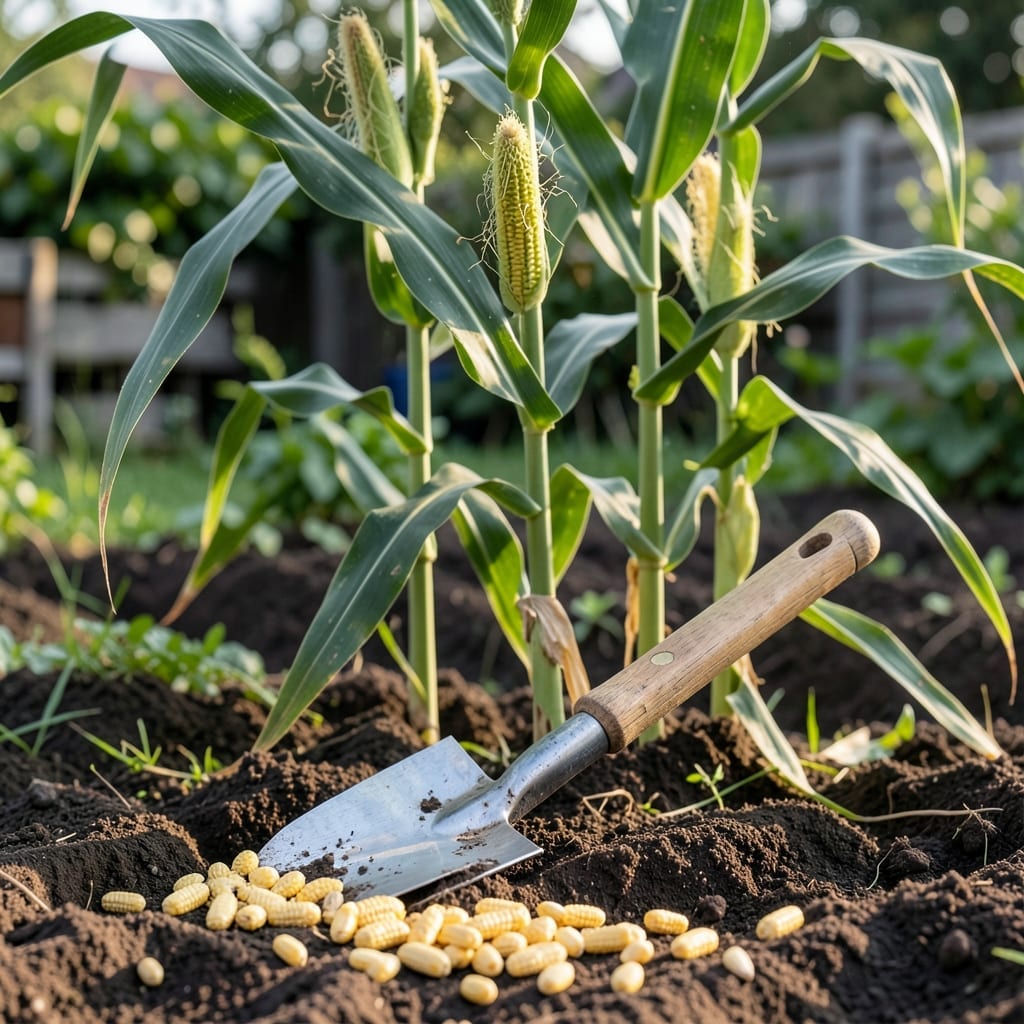
Watching 🌽 seeds sprout can feel like forever when you’re eager to see those first green shoots. As a gardener, I know the waiting is the hardest part of the process.
Understanding the timeline helps you plan better and avoid unnecessary worry. With the right conditions, you’ll see progress sooner than you think.
Discover what affects germination speed and how to create the most efficient environment for your corn to thrive from the start.
I always get excited waiting for those first green shoots to appear above the soil. For corn seeds, the germination process typically takes 7 to 14 days under ideal conditions.
This timeline can vary based on soil temperature, moisture levels, and seed quality. Warmer soil speeds up the process, while cooler temperatures slow it down significantly.
| Stage | Timeframe | Key Conditions |
|---|---|---|
| Seed Absorbs Water | 24-48 hours | Moist, warm soil |
| Root Emerges | 3-5 days | 60-70°F soil temp |
| Shoot Breaks Soil | 7-14 days | Consistent moisture |
In my experience, soil temperature is the most critical factor. Corn seeds won’t germinate well in cold soil below 50°F. I always wait until the soil warms to at least 60°F for best results.
The moisture balance is equally important. Too much water can rot the seeds, while too little prevents germination. I aim for consistently damp but not soggy soil during this period.
Seed depth matters too. Planting too deep can delay sprouting. I plant my corn seeds 1 to 2 inches deep for optimal results. Any deeper and they struggle to reach the surface.
Different corn varieties have slightly different timelines. Sweet corn often sprouts faster than field corn. I’ve noticed some heirloom varieties take a few extra days to appear.
If you’re starting indoors, you might see sprouts in as little as 5 days. But I prefer direct sowing since corn doesn’t transplant well. The outdoor conditions help the plants establish stronger roots.
Remember, patience is key. Even in perfect conditions, some seeds may take up to 3 weeks to sprout. Don’t dig them up to check – this can damage the developing roots.
I mark my planting dates on a calendar to track progress. When two weeks pass with no sprouts, I consider replanting in that spot. Usually, this means the seeds didn’t germinate or were eaten by pests.
Seeing those first corn sprouts peeking through the soil is always rewarding. It’s the first sign that my careful preparation and waiting have paid off 🌱
After planting, I’ve found that soil temperature is the biggest game-changer. Corn seeds need 60-70°F soil to germinate quickly. Anything below 50°F and they’ll just sit there.
Consistent moisture levels are equally crucial. Too dry and seeds won’t activate, too wet and they’ll rot. I maintain damp but not soggy conditions for best results.
Planting depth makes a surprising difference. I’ve learned that 1-2 inches deep is perfect. Too shallow and seeds dry out, too deep and they struggle to surface.
Seed age affects germination rates too. I always check the packet date and use seeds within 1-2 years for best results. Older seeds take longer to sprout and have lower success rates.
Sunlight exposure warms the soil naturally. I plant in full sun locations to maximize warmth. Even a few hours of shade can slow down the process noticeably.
I’ve noticed that seed varieties respond differently. Sweet corn often sprouts faster than field corn. When in doubt, I choose varieties known for quick germination in my climate.
By controlling these factors, I consistently get corn sprouts in under two weeks every season 🌱