
Beautiful Plants For Your Interior
Beautiful Plants For Your Interior
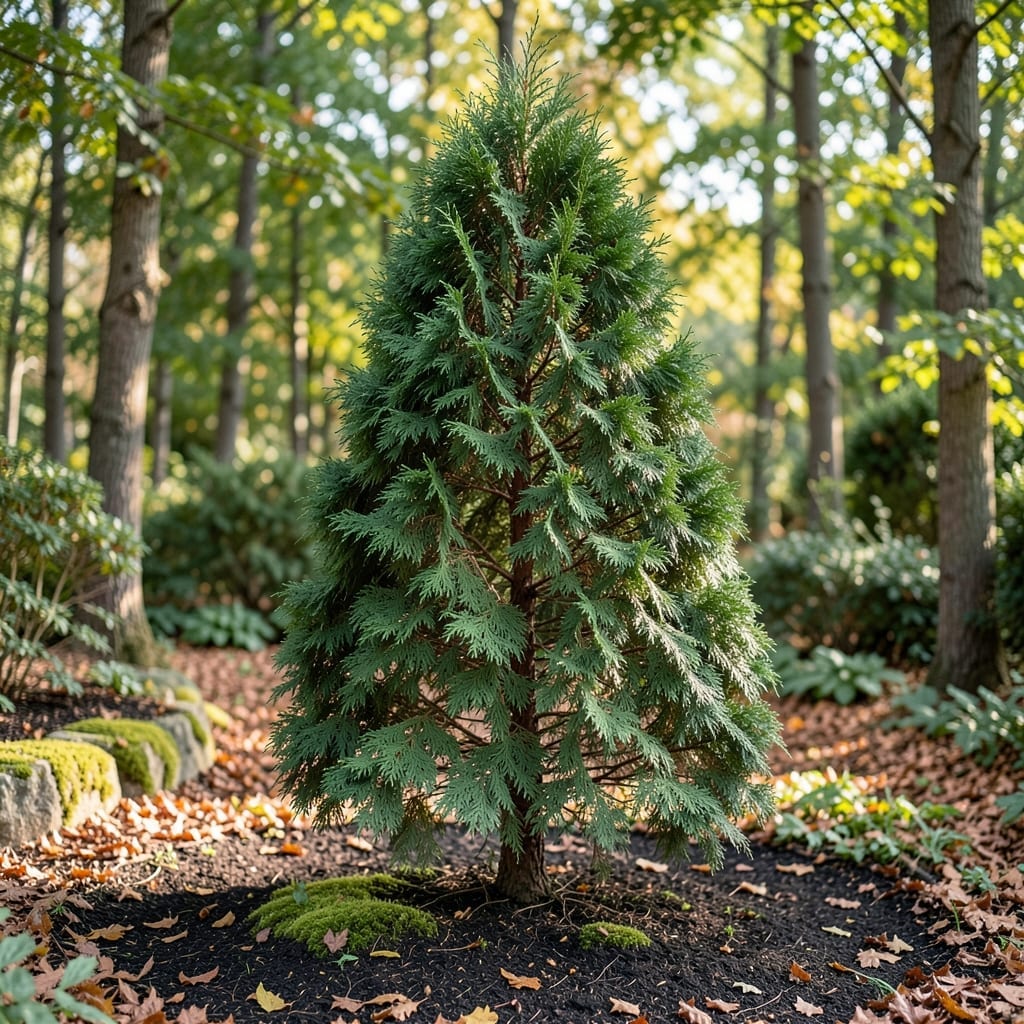
Cedar trees are prized for their beauty, durability, and fragrant wood, but their growth rate often surprises new gardeners. I remember planting my first 🌳 Cedar Tree and wondering just how long it would take to reach its full potential.
Understanding the timeline from sapling to mature tree helps set realistic expectations for your landscape. Whether you’re dreaming of a privacy screen or a majestic centerpiece, knowing what to expect makes the journey more rewarding.
Let me walk you through the growth stages and the key factors that influence how quickly your Cedar Tree will thrive in zone 6. The process might be slower than you think, but it’s well worth the wait.


If you’re planting a cedar tree, patience is key—these majestic evergreens don’t rush their growth. The timeline from a tiny sapling to a towering mature tree can span 10 to 30+ years, depending on the species.
Different cedars grow at different paces. For example, the Eastern Red Cedar might reach 15-20 feet in a decade, while the Atlas Cedar grows more slowly but eventually soars to 40-60 feet. Your climate and care play huge roles too.
| Stage | Height | Timeframe | Key Notes |
|---|---|---|---|
| Sapling | 1-2 ft | Year 1 | Needs consistent watering |
| Young Tree | 3-6 ft | Years 2-3 | Begins branching out |
| Established | 10-20 ft | Years 5-10 | Drought-tolerant once rooted |
| Mature | 40-80 ft | 20-30+ years | Full canopy shape |
The first few years are critical for root establishment. I’ve seen cedars struggle in poor soil, so I always recommend amending with compost at planting. This gives them a strong start for steady growth.
By year 5, most cedars show noticeable height and start developing their iconic pyramidal shape. This is when they begin to look like the trees you see in parks and forests, though still smaller.
For faster growth, focus on full sun exposure and well-draining soil. Cedars in shady spots or waterlogged ground often grow 50% slower than those in ideal conditions.
If you’re planting for privacy screening, space your cedars 8-12 feet apart. This allows room for their mature spread while creating a dense barrier faster than you might expect.
The Western Red Cedar is one of the faster growers, adding 1-2 feet per year under perfect conditions. Meanwhile, dwarf varieties like ‘Blue Star’ stay small but still take 5-10 years to reach maturity.
Remember, cedars are long-lived trees. Some species can thrive for 100+ years, so the slow growth is part of their charm. Each year, you’ll see steady progress as your tree becomes a lasting part of your landscape.
With proper care and a little patience, your cedar will eventually provide shade, beauty, and wildlife habitat for generations to come 🌳
Growing a cedar tree isn’t just about planting and waiting. I’ve found that several key factors can either accelerate growth or leave your tree struggling. The right conditions make all the difference in how quickly your cedar reaches maturity.
From my experience, soil quality is the foundation. Cedars thrive in well-draining, slightly acidic soil with plenty of organic matter. Poor soil can stunt growth by 30-50%, so I always test and amend before planting.
🌱 5 Factors That Impact Cedar Growth
Watering practices are equally important. While cedars are drought-tolerant once established, young trees need consistent moisture. I water my cedars deeply once a week, ensuring the water reaches the root zone.
Sunlight exposure directly affects growth speed. Cedars in full sun can grow twice as fast as those in partial shade. If your landscape has shady spots, consider faster-growing varieties like Western Red Cedar.
Your climate zone plays a role too. Cedars grow best in USDA zones 6-9. In cooler zones, growth slows significantly, while in warmer areas, they may thrive with less care. Always check your local conditions.
Finally, pruning techniques matter. While cedars don’t need heavy pruning, removing dead or diseased branches helps the tree focus its energy on healthy growth. Avoid over-pruning, as it can stress the tree.
With the right balance of these factors, you’ll see your cedar tree grow stronger and faster than you expected ✂️