
Beautiful Plants For Your Interior
Beautiful Plants For Your Interior
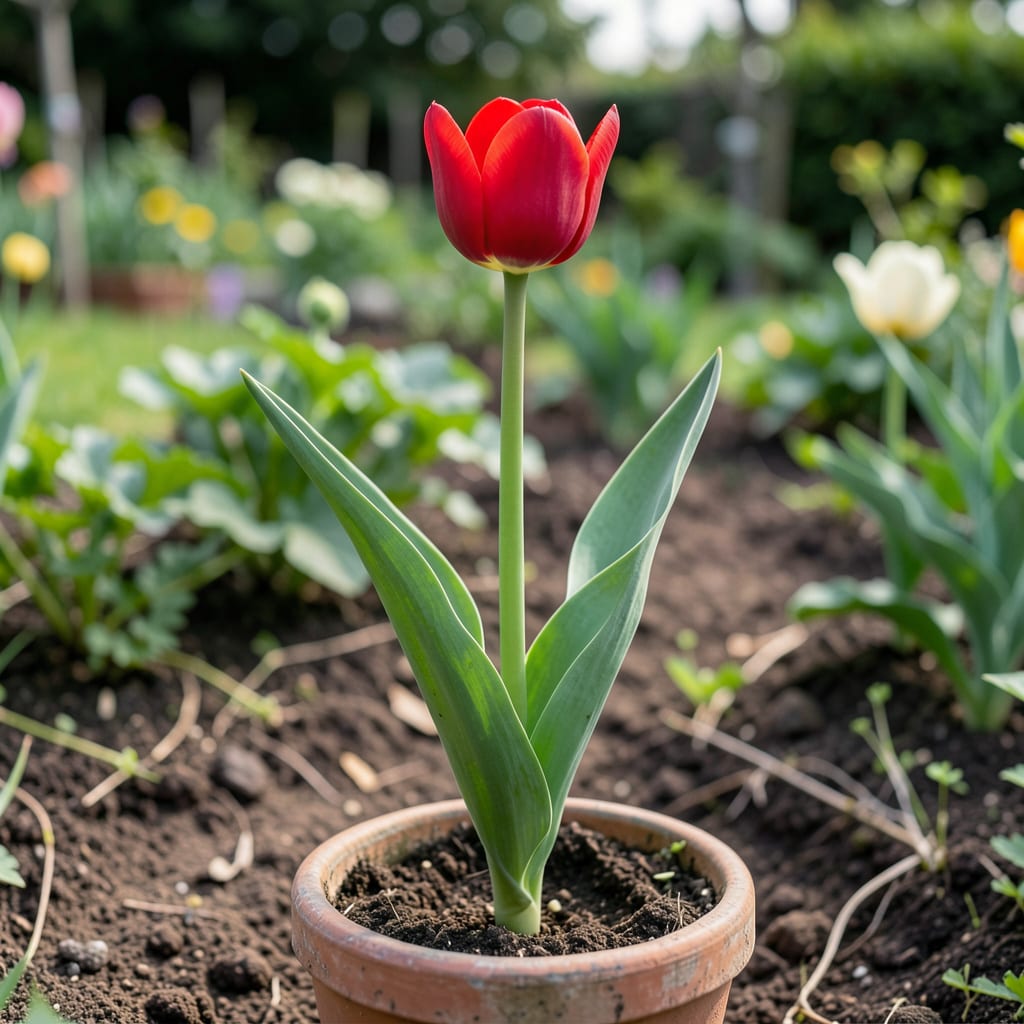
As I watch my tulips 💐 emerge in spring, I’m always curious about their blooming timeline. Tulips are one of the most beloved spring flowers, and understanding their growth cycle is crucial for successful cultivation in USDA Zone 6.
The blooming period is a magical time, and knowing what to expect can help you make the most of these beautiful flowers. Let’s explore the factors that affect tulip bloom time and what you can do to encourage vibrant blooms in your garden.
Tulips are one of the most anticipated spring flowers, and their blooming period is a highlight for many gardeners. The time it takes for tulips to bloom can vary significantly based on several key factors. Understanding these elements can help you better plan and care for your tulip garden.
The primary factors that influence tulip bloom time include climate conditions, soil quality, and the specific tulip variety. Each of these plays a crucial role in determining when and how long your tulips will bloom.
Generally, tulips take 3 to 6 weeks to bloom after planting, depending on the variety and growing conditions. Early spring bloomers tend to flower sooner, while late varieties may take longer to appear. In USDA Zone 6, tulips typically bloom in late March to early May.
The chilling period is critical for tulip blooming. Tulip bulbs require a cold period to break dormancy, typically needing 12 to 16 weeks of temperatures below 45°F (7°C). This period is usually satisfied during winter in temperate climates.
After the chilling requirement is met, tulips begin their growth cycle. The bulbs start to root in late winter to early spring, followed by the emergence of green shoots and eventually the blooms. The entire process from planting to blooming can take 4 to 6 months in total.
It’s worth noting that tulips are perennial in many regions, meaning they can return year after year if properly cared for. However, in warmer climates, they may need to be treated as annuals or require special care to simulate the necessary chilling period.
For gardeners in USDA Zone 6, the ideal time to plant tulips is in the fall, about 6 to 8 weeks before the ground freezes. This allows the bulbs to establish roots before winter and bloom in the spring.
By understanding these factors and planning accordingly, you can enjoy a vibrant display of tulips in your garden each spring. Proper care and attention to the specific needs of your tulips will help ensure a successful blooming season 🌼.
To maximize your tulip blooming period, consider planting a mix of early, mid-season, and late-blooming varieties. This strategy can extend the overall blooming season in your garden, providing a continuous display of color throughout the spring.
Additionally, maintaining good soil conditions and providing appropriate watering during the growing season can support healthy growth and blooming. Tulips generally prefer well-draining soil and regular watering during their active growth phase.
By combining these strategies, you can create a thriving tulip garden that brings joy and beauty to your outdoor space for years to come 💐.
Optimizing tulip bloom time requires understanding the key factors that influence their growth and flowering. By creating the right conditions, you can enjoy a vibrant display of tulips in your garden. The first step is to choose the right tulip variety for your climate and planting zone.
For gardeners in USDA Zone 6, selecting varieties that are known to perform well in your area is crucial. Consider factors like cold hardiness, bloom time, and disease resistance when making your selection.
Plant tulip bulbs in the fall, about 6 to 8 weeks before the ground freezes. This allows them to establish roots before winter.
Ensure tulips receive adequate sunlight and watering during their growing season. Most tulips prefer full sun to partial shade.
Apply a low nitrogen, high phosphorus fertilizer after planting and again in the spring after blooming to promote healthy growth.
By following these steps, you can create an optimal environment for your tulips to thrive. Remember that proper soil conditions and regular watering are also essential for healthy tulip growth 🌼.
To further enhance your tulip display, consider planting multiple varieties with different bloom times. This strategy can extend the blooming season in your garden, providing a continuous display of color throughout the spring.
Additionally, deadheading your tulips after they finish blooming can help direct the bulb’s energy towards re-growing and storing energy for the next year’s bloom.
By implementing these strategies, you can enjoy a vibrant and prolonged tulip blooming season in your garden 💐.
After your tulips have finished blooming, it’s essential to provide proper care to ensure healthy bulbs for future seasons. The first step is to remove the flower heads, a process known as deadheading. This helps direct the bulb’s energy towards re-growing and storing energy for the next year’s bloom.
Allow the foliage to die back naturally, as this process helps the bulb store energy for next year’s bloom 🌿.
It’s crucial to allow the foliage to die back naturally, as this process can take several weeks to a few months. Avoid cutting or tying the leaves, as this can weaken the bulb. Instead, let them turn yellow and wither on their own, which is a sign that the bulb has stored enough energy for the next growing season.
During this post-bloom period, continue to provide your tulips with adequate watering and fertilization. A low nitrogen, high phosphorus fertilizer can help promote healthy growth and flowering for the following year.
Once the foliage has completely died back, you can remove the dead leaves and consider applying a layer of compost to the soil. This will help maintain soil health and provide nutrients for the bulbs.
For gardeners in USDA Zone 6, it’s also important to consider the timing of your post-bloom care. Typically, tulips finish blooming in late spring, so be prepared to provide the necessary care during this time 🌼.
By following these post-bloom care tips, you can ensure that your tulip bulbs remain healthy and vigorous, providing you with beautiful blooms for years to come 💐.
Tulips typically take 3 to 6 weeks to bloom after planting, depending on the variety and growing conditions. The exact timing can vary based on factors like climate and soil quality. In general, early spring bloomers tend to flower sooner than late varieties.
Several factors influence tulip bloom time, including climate conditions, soil quality, and the specific tulip variety. Warmer temperatures can accelerate blooming, while colder conditions delay it. Well-draining soil with proper nutrients also supports timely blooms.
Tulips are perennial in many regions, meaning they can return year after year if properly cared for. However, in warmer climates, they may need to be treated as annuals or require special care to simulate the necessary chilling period. Proper post-bloom care is essential for encouraging repeat blooming.
To maximize your tulip blooming period, consider planting a mix of early, mid-season, and late-blooming varieties. This strategy can extend the overall blooming season in your garden, providing a continuous display of color throughout the spring. Additionally, maintaining good soil conditions and providing appropriate watering can support healthy growth and blooming.
