
Beautiful Plants For Your Interior
Beautiful Plants For Your Interior
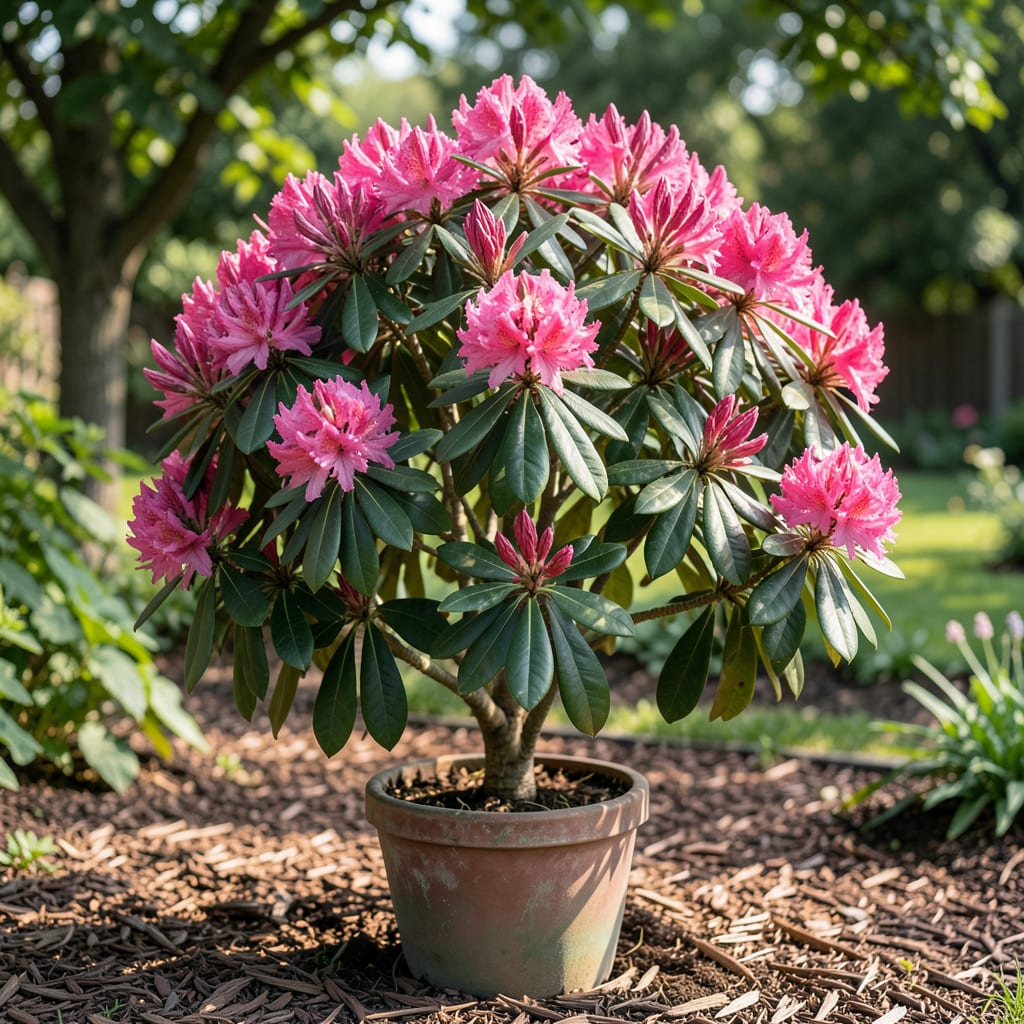
As a gardener, I’ve always been fascinated by Rhododendron 🌺 plants and their stunning blooms. But how long can you expect these beautiful flowers to last?
The blooming period of Rhododendrons typically lasts several weeks in spring, usually between late April and early June in USDA Zone 6. Factors like climate, soil quality, and sunlight exposure can influence the duration, making proper care essential for optimal flowering.
Rhododendrons are known for their vibrant blooms, which can add a pop of color to any garden. As a gardener, understanding their blooming period is crucial for proper care and planning. Typically, Rhododendrons bloom in the spring season, with the exact timing varying based on factors like climate and species 🌺.
The average blooming period for Rhododendrons is 3 to 6 weeks, although this can vary depending on the specific variety and growing conditions. Some species may bloom for a shorter or longer duration, making it essential to understand the specific needs of your plants.
Several factors can influence the blooming duration of Rhododendrons. Climate plays a significant role, with cooler temperatures often leading to longer bloom periods. Soil quality is also crucial, as Rhododendrons prefer acidic soil with good drainage. Ensuring your plants receive the right nutrients is vital for optimal blooming. Additionally, sunlight exposure should be balanced, as too much or too little sun can affect the bloom duration 🌞.
Different Rhododendron species can have varying bloom periods. Some may bloom earlier in the spring, while others may bloom later. Understanding the specific characteristics of your Rhododendron variety is key to anticipating and enjoying its blooms.
To maximize the blooming period, gardeners can employ several strategies. Proper watering is essential, as consistent moisture levels can help prolong the blooms. Fertilizing with an acidic fertilizer after blooming can also support the plant’s overall health and encourage future blooms. Regular pruning is another important practice, as it helps maintain the plant’s shape and promotes healthy growth 🌱.
By understanding the factors that influence Rhododendron bloom duration and implementing proper care practices, gardeners can enjoy these beautiful flowers for an extended period. Whether you’re a seasoned gardener or just starting out, Rhododendrons can be a rewarding addition to your garden, providing vibrant color and beauty throughout the spring season.
For more detailed information on caring for Rhododendrons and maximizing their bloom period, continue reading the following sections, which will provide practical tips and insights into these stunning plants.
Monitoring weather conditions is also crucial as late frosts can damage buds and reduce blooming duration. Protecting your plants during unexpected cold snaps can help preserve their blooms.
Overall, Rhododendrons offer a spectacular display of color in the spring, and with the right care, their blooming period can be maximized, providing beauty and joy to your garden for weeks on end 🌼.
Understanding the factors that influence Rhododendron bloom period is crucial for gardeners who want to maximize their plant’s flowering potential. Several key elements can affect how long Rhododendrons bloom, including climate conditions, soil quality, and sunlight exposure 🌞.
The climate plays a significant role in determining the blooming duration of Rhododendrons. Cooler temperatures often lead to longer bloom periods, while warmer temperatures can shorten the blooming time. Gardeners should be aware of their local climate conditions and adjust their care practices accordingly 🌟.
Rhododendrons prefer acidic soil with good drainage, which is essential for optimal blooming. Maintaining the right soil conditions can significantly impact the blooming duration.
Soil quality is another critical factor that affects Rhododendron bloom period. These plants thrive in acidic soil with a pH between 4.5 and 6.0. Ensuring the soil has the right nutrients and drainage can help prolong the blooming period 🌿.
Sunlight exposure is also vital for Rhododendrons. While they prefer partial shade, too much shade can reduce flowering, and too much sun can cause stress to the plant. Finding the right balance is key to maximizing the bloom time 🌻.
In addition to these factors, care practices such as watering, fertilizing, and pruning can also influence the blooming duration. Proper care can help ensure that Rhododendrons bloom for as long as possible, providing vibrant color to your garden 💐.
By understanding and managing these factors, gardeners can create an optimal environment for their Rhododendrons, potentially extending the blooming period and enhancing the overall health of the plants.
For more detailed information on caring for Rhododendrons and maximizing their bloom period, continue reading the following sections, which will provide practical tips and insights into these stunning plants.
Monitoring weather conditions is also crucial as late frosts can damage buds and reduce blooming duration. Protecting your plants during unexpected cold snaps can help preserve their blooms ❄️.
To keep your Rhododendrons blooming beautifully, it’s essential to understand the right care techniques. Proper care can significantly extend the blooming period and enhance the overall health of your plants 🌼.
Pruning your Rhododendrons right after they finish blooming allows you to shape the plant while preserving the buds for the next year’s bloom. This timing is crucial as the buds for the following year begin to form soon after the current blooms fade.
Using an acidic fertilizer after blooming helps maintain the soil’s acidity, which is vital for Rhododendron health. An acidic fertilizer with a balanced NPK ratio supports healthy growth and encourages future blooms.
Proper watering is essential for Rhododendrons. Keeping the soil consistently moist but well-drained helps prolong the blooming period and supports overall plant health. Avoid letting the soil dry out completely, especially during dry spells.
By implementing these care techniques, you can enjoy a longer and more vibrant Rhododendron blooming season. Each of these practices plays a vital role in maintaining the health and beauty of your plants 🌻.
Regular monitoring of your plants is also important. Keep an eye out for signs of stress or disease, and address any issues promptly to prevent them from affecting the blooming period.
With the right care and attention, your Rhododendrons can provide a stunning display of color for weeks, enhancing the beauty of your garden and bringing joy to your outdoor space 🌺.
Rhododendrons usually bloom for 3 to 6 weeks in the spring season. The exact duration can vary depending on factors like climate, soil quality, and sunlight exposure. Proper care can help maximize their blooming period .
Several factors influence Rhododendron bloom duration, including climate conditions, soil quality, and sunlight exposure. Cooler temperatures, acidic soil, and balanced sunlight can help prolong the blooming period .
To maximize Rhododendron bloom time, employ proper care techniques such as pruning immediately after blooming, fertilizing with acidic fertilizer, and maintaining consistent moisture levels. These practices support overall plant health and encourage future blooms .
Yes, late frosts can damage Rhododendron buds and reduce their blooming duration. Protecting your plants during unexpected cold snaps can help preserve their blooms .
