
Beautiful Plants For Your Interior
Beautiful Plants For Your Interior
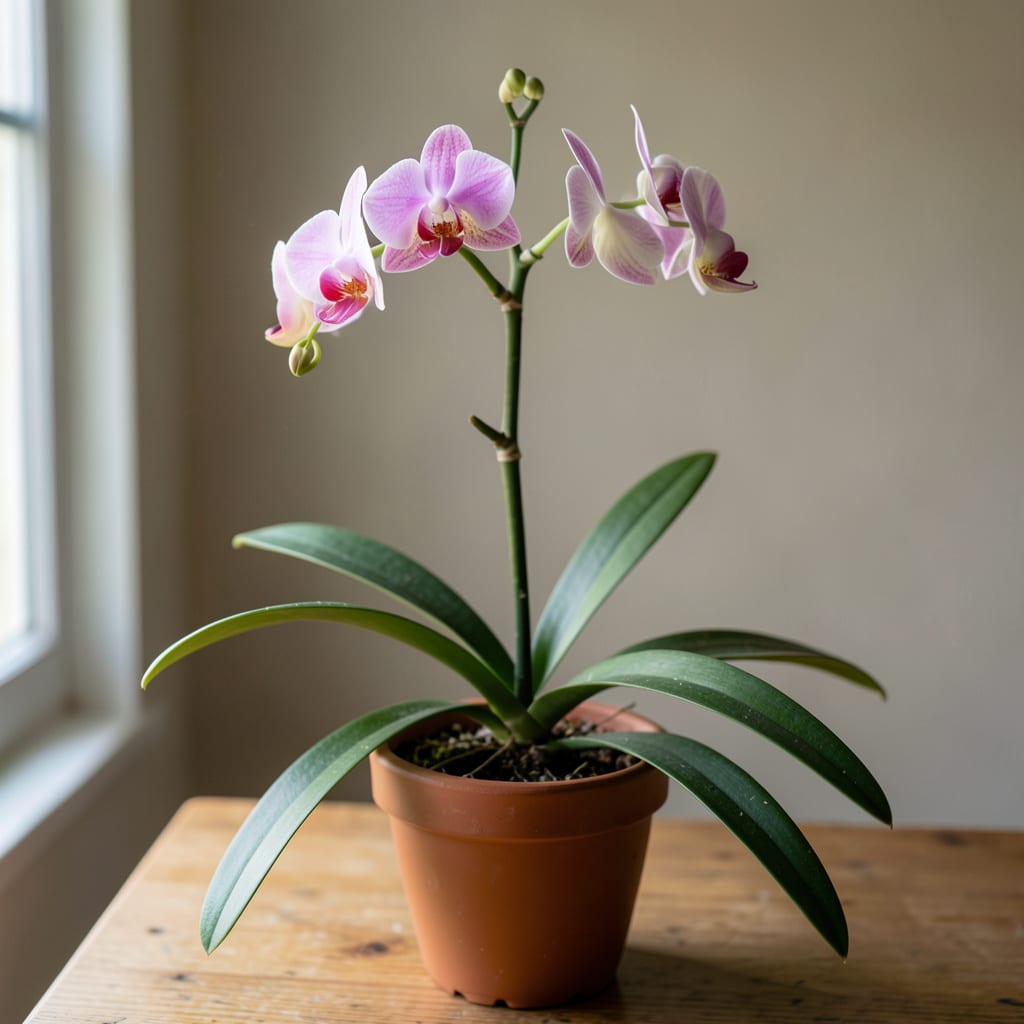
Orchid 💐 blooms can be a breathtaking sight, but their fleeting nature often leaves growers wondering about their duration. As an Orchid enthusiast in USDA Zone 6, I’ve learned that understanding their blooming period is crucial for maximizing their beauty.
Let’s explore the factors that influence Orchid bloom duration and how to encourage longer flowering periods, helping you make the most of these stunning flowers in your care.
Orchid blooms can be a breathtaking sight, but their fleeting nature often leaves growers wondering about their duration. As an Orchid enthusiast, I’ve learned that understanding their blooming period is crucial for maximizing their beauty 💐.
The blooming duration of Orchids varies significantly based on several factors, including the type of Orchid, growing conditions, and care practices. Generally, Orchid blooms can last anywhere from a few weeks to several months.
Several factors influence the bloom duration of Orchids, including temperature, light exposure, watering, and fertilization. Understanding these factors is key to extending the blooming period.
For instance, maintaining a consistent temperature between 65°F and 75°F (18°C to 24°C) can help prolong the blooming period. Similarly, providing bright indirect light can encourage healthy blooms.
Different Orchid species have varying blooming cycles. Some, like Phalaenopsis, can bloom multiple times a year, while others, such as Paphiopedilum, may bloom only once annually.
To encourage longer blooming periods, it’s essential to understand the specific needs of your Orchid variety. This includes providing the right light, water, and fertilizer.
By understanding these factors and adjusting your care practices accordingly, you can enjoy longer and more frequent blooms from your Orchids 🌼.
Orchid enthusiasts can also benefit from knowing how to predict future blooms. This involves observing the plant’s growth patterns and adjusting care practices to support healthy flowering.
For example, some Orchids produce new pseudobulbs that will eventually bloom. Recognizing these growth patterns can help you anticipate when your Orchid will next bloom.
By combining this knowledge with proper care, you can maximize your Orchid’s blooming potential and enjoy their beautiful flowers for longer periods.
Overall, understanding Orchid bloom duration and cycles is crucial for any Orchid enthusiast. By recognizing the factors that influence blooming and adjusting your care practices, you can enjoy more frequent and longer-lasting blooms 🌺.
To keep your Orchids blooming for as long as possible, it’s essential to provide them with the right conditions and care. As an Orchid enthusiast, I’ve learned that factors such as temperature, light, watering, and fertilization play a crucial role in extending the blooming period.
Maintaining a consistent temperature between 65°F and 75°F (18°C to 24°C) is vital for prolonging the blooming period. Orchids generally thrive in daytime temperatures that are slightly higher than nighttime temperatures 🌡️.
To maximize Orchid bloom time, ensure proper air circulation around your plants to prevent fungal diseases and promote healthy growth.
Lighting is another critical factor in extending Orchid bloom duration. Most Orchids prefer bright indirect light, which can be achieved by placing them near an east- or west-facing window. Avoid direct sunlight, as it can cause the leaves to become scorched and the flowers to fade 🌻.
Watering practices also significantly impact Orchid bloom duration. Over-watering can lead to root rot, while under-watering can cause the plant to become stressed. Water your Orchids once a week, allowing the potting mix to dry slightly between waterings 💧.
Fertilization is equally important for promoting healthy blooms. Feed your Orchids with a balanced fertilizer (20-20-20) every two weeks. You can also use a fertilizer specifically formulated for Orchids, following the manufacturer’s instructions 📦.
By implementing these expert care tips, you can enjoy longer and more frequent blooms from your Orchids.
Regularly inspecting your Orchids for signs of pests or diseases is also crucial. Catching any issues early can help prevent them from affecting the blooming period 🚫.
With proper care and attention, your Orchids can bloom for an extended period, providing you with a beautiful display of flowers. By understanding and meeting their needs, you can enjoy the beauty of your Orchids for longer 🌼.
When caring for Orchids, it’s easy to make mistakes that can shorten their blooming period. As an Orchid enthusiast, I’ve learned that being aware of these common pitfalls can help you avoid them and enjoy longer-lasting blooms 🌼.
One of the most common mistakes is over-watering. Orchids are prone to root rot if the potting mix is too wet, which can cause the flowers to drop prematurely. To avoid this,
Be cautious of extreme temperatures and direct sunlight, as they can cause stress to your Orchids and shorten their blooming period.
Another mistake is not providing enough humidity. Orchids thrive in humid environments, typically between 40-70% relative humidity. You can increase humidity around your Orchids by placing the pot on a tray filled with water and pebbles or using a humidifier 🌿.
Insufficient light is also a common issue. While Orchids don’t require direct sunlight, they need bright indirect light to bloom well. Placing them near an east- or west-facing window can provide the right amount of light 🌻.
Fertilizing too frequently can also harm your Orchids. Feed them with a balanced fertilizer (20-20-20) every two weeks during the growing season. Avoid over-fertilizing, as this can cause the roots to burn and reduce blooming 📦.
By being aware of these common mistakes and taking steps to avoid them, you can help extend the blooming period of your Orchids and enjoy their beautiful flowers for longer 🌺.
Regularly inspecting your Orchids for signs of pests or diseases is also crucial. Catching any issues early can help prevent them from affecting the blooming period 🚫.
With proper care and attention, your Orchids can bloom for an extended period, providing you with a beautiful display of flowers. By understanding and meeting their needs, you can enjoy the beauty of your Orchids for longer 🌼.
Orchid blooms can last anywhere from a few weeks to several months, depending on factors like the type of Orchid, growing conditions, and care practices. Some Orchids, like Phalaenopsis, can bloom for 2-6 months, while others may bloom for shorter periods. Proper care can help extend the blooming period.
Several factors affect how long Orchids bloom, including temperature, light exposure, watering, and fertilization. Maintaining a consistent temperature between 65°F and 75°F (18°C to 24°C) and providing bright indirect light can help prolong the blooming period. Proper watering and fertilization also play crucial roles.
Yes, some Orchid species, like Phalaenopsis, can bloom multiple times a year with proper care. To encourage repeat blooming, provide your Orchid with the right conditions, including bright indirect light, balanced fertilization, and adequate watering. Understanding the specific needs of your Orchid variety is key to promoting multiple blooms.
Observing your Orchid’s growth patterns can help you anticipate when it will next bloom. Some Orchids produce new pseudobulbs that will eventually bloom. By recognizing these growth patterns and adjusting your care practices accordingly, you can encourage healthy flowering and predict future blooms.
