
Beautiful Plants For Your Interior
Beautiful Plants For Your Interior
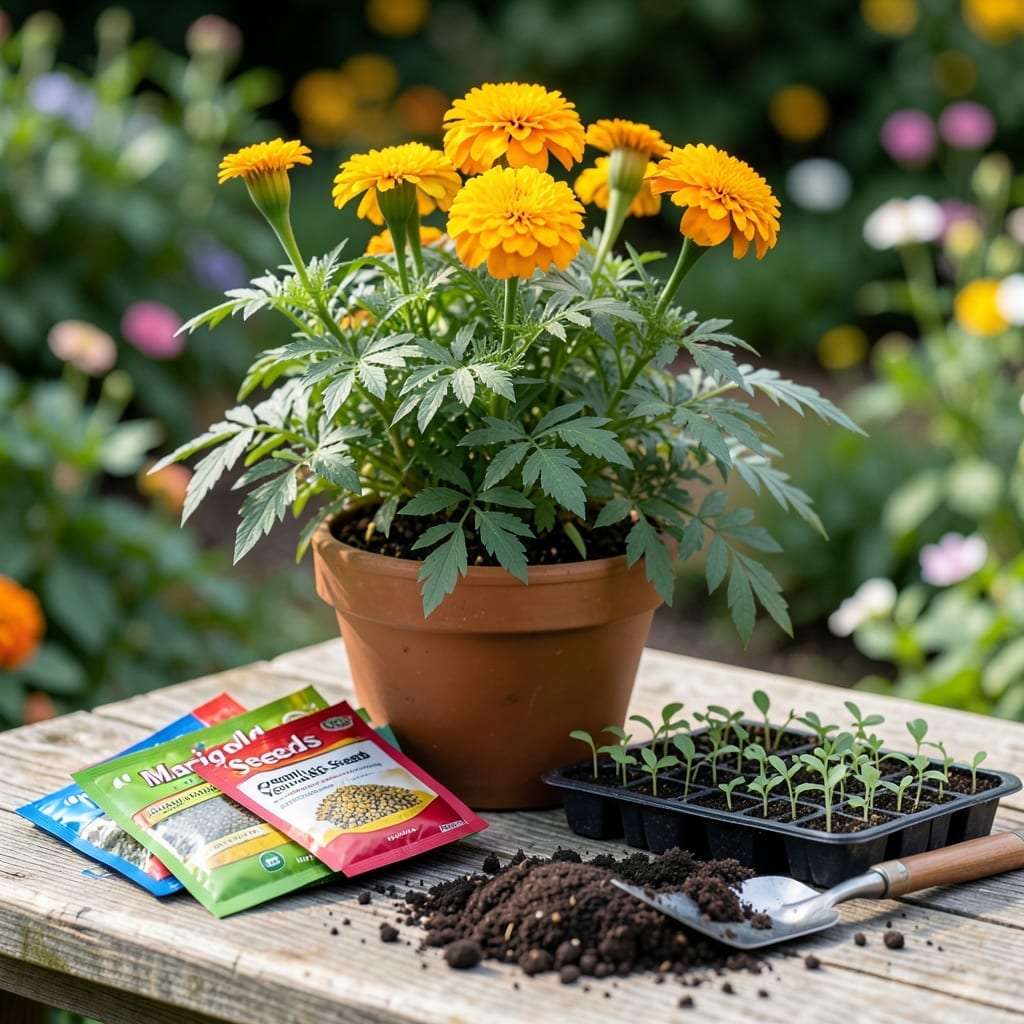
I remember the first time I planted Marigold 🌼 seeds, staring at the soil and wondering when I’d see those first tiny green shoots. It’s a moment every gardener knows well.
Understanding the germination timeline can make the difference between frustration and a thriving garden. With the right conditions, you’ll be rewarded with vibrant blooms that last from June to October.
Discover what to expect from planting to sprouting, and how to set your Marigolds up for success from the very beginning. Let’s get growing.

When I first started growing marigolds, I was amazed at how quickly they can go from seed to sprout. Most gardeners see the first green shoots within 5 to 10 days under ideal conditions. This timeline can vary, though, depending on a few key factors.
In my experience, soil temperature and moisture levels play the biggest roles in germination speed. Warmer soils, around 70-75°F, tend to produce the fastest results. Cooler temperatures can slow things down to 10-14 days or more. 🌱
| Stage | Timeframe | What to Expect |
|---|---|---|
| Planting | Day 0 | Sow 1/4 inch deep |
| Initial Sprouting | Days 5-7 | Seedlings emerge from soil |
| First True Leaves | Days 10-14 | Second set of leaves appears |
| Ready to Transplant | Weeks 4-6 | 3-4 inch seedlings with strong stems |
I always recommend starting marigold seeds indoors about 6-8 weeks before your last frost date. This gives you a head start, especially in cooler climates. When the soil warms up, you can transplant your seedlings outside without worrying about late frosts.
Another thing I’ve noticed is that consistent moisture is crucial during germination. The soil should stay evenly damp but never waterlogged. A spray bottle works great for keeping the surface moist without disturbing the seeds.
If you’re direct sowing outdoors, wait until the soil temperature reaches at least 60°F. I like to use a soil thermometer to check. In warmer zones, you might see sprouts in as little as 4-5 days, while cooler areas could take up to 2 weeks. ☀️
Light is another important factor. While marigolds don’t need light to germinate, they do need it as soon as they sprout. I place my seed trays under grow lights or in a sunny window to prevent leggy seedlings.
One trick I’ve learned is to pre-moisten the soil before planting. This helps create the perfect environment for the seeds to absorb water and begin growing. Also, using a seed-starting mix rather than regular garden soil can improve germination rates significantly.
Remember, patience is key with germination. Even under perfect conditions, some seeds might take a little longer to sprout. Don’t give up if you don’t see immediate results—sometimes they just need a little extra time. 🌿
Once your marigold seedlings have their first set of true leaves, you can start fertilizing lightly. I use a balanced liquid fertilizer diluted to half strength to give them a gentle boost without overwhelming the young plants.
I’ve found that marigold seeds sprout fastest when given a little extra care. The key is creating optimal conditions that encourage quick, healthy germination. With a few simple tricks, you can see those first shoots in as little as 4-5 days. 🌱
One of my go-to methods is using a heat mat to maintain consistent soil warmth. Marigolds thrive when the soil stays around 70-75°F, and a heat mat helps achieve this, especially in cooler climates or early spring.
A common mistake I see beginners make is overwatering their seeds. While moisture is essential, too much water can lead to rot or fungal growth. I recommend misting the soil surface gently rather than soaking it.
Another tip is to plant seeds shallowly—about 1/4 inch deep. Marigold seeds need light to germinate, so planting too deep can delay or even prevent sprouting. I use a pencil to create small indentations for precise planting depth.
If you’re starting seeds indoors, grow lights can make a big difference. I position mine 2-3 inches above the seed trays and keep them on for 12-14 hours daily. This ensures strong, compact seedlings that won’t become leggy.
Finally, don’t forget to label your trays with the planting date. This helps you track germination progress and adjust your care routine as needed. With these tips, you’ll be enjoying vibrant marigold blooms in no time! ☀️