
Beautiful Plants For Your Interior
Beautiful Plants For Your Interior
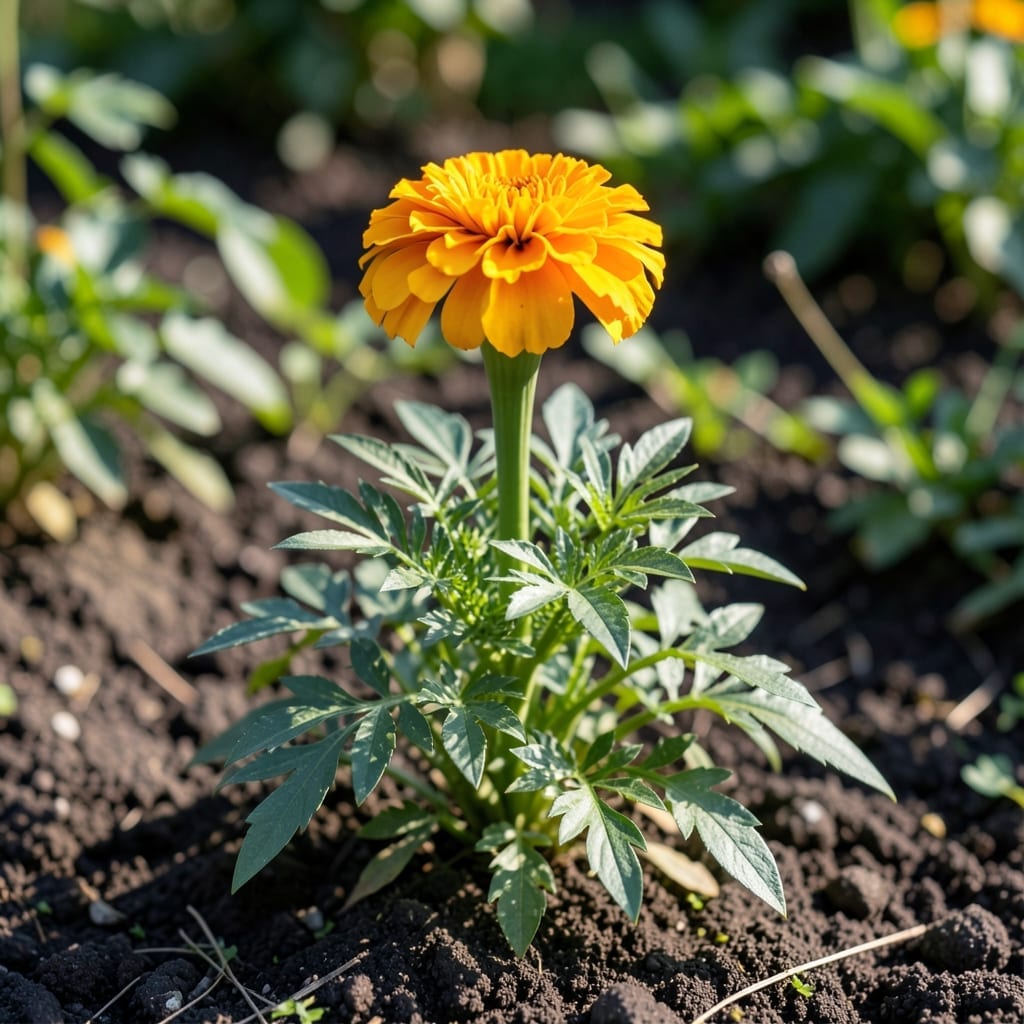
There’s something magical about watching 🌼 Marigolds brighten up a garden with their warm hues. But if you’ve ever wondered how long these cheerful flowers stick around, you’re not alone.
As a gardener in zone 6, I’ve learned that their lifespan isn’t set in stone. From planting in spring to those last vibrant blooms, several factors come into play.
Let me walk you through what affects their staying power and how you can make the most of their growing season. It’s easier than you might think.
If you’ve ever planted 🌼 marigolds and wondered about their staying power, you’re in the right place. These vibrant flowers have a fascinating lifecycle that’s worth understanding.
From the moment those first seedlings emerge to the last bloom of the season, marigolds go through distinct stages. Most gardeners don’t realize how much variety type and growing conditions affect their duration.
| Stage | Duration | Key Details |
|---|---|---|
| Germination | 5-7 days | Needs warm soil, 70°F+ |
| Seedling Growth | 3-4 weeks | Develops true leaves |
| Vegetative Stage | 4-6 weeks | Bushy growth begins |
| Blooming Period | 8-12 weeks | Peak summer to fall |
| Decline | 2-4 weeks | As temps drop below 50°F |
Most annual marigolds complete their entire lifecycle in one growing season. In my zone 6 garden, I typically see them last from late spring to the first frost.
That’s about 5-6 months of color if conditions are right. The French marigolds I plant usually start blooming about 45-60 days after sowing and keep going strong.
African marigolds take a bit longer to get started but often produce larger blooms. They’ll typically last just as long if given proper care and good drainage.
Remember that perennial marigolds in warmer zones may return for 2-3 years. But in most areas, we treat them as annuals since they won’t survive winter.
The blooming period is where marigolds really shine. With deadheading and regular watering, I’ve had plants produce flowers continuously for 3-4 months. ☀️
As temperatures drop in fall, you’ll notice the bloom production slows down. The first light frost usually signals the end, though some varieties can handle a light freeze.
In my experience, the key to longevity is consistent care. Full sun and well-draining soil make all the difference in how long your marigolds will last. 🌱
I’ve found that with a little extra care, you can keep your 🌼 marigolds blooming longer than you might expect. These hardy flowers respond beautifully to consistent attention.
In my garden, I focus on a few key practices that make all the difference. The right combination of watering, feeding, and pruning can extend their vibrant display.
One of the most effective ways to prolong blooming is through deadheading. I make it a habit to remove spent flowers every few days. This prevents seed formation and redirects energy to new blooms.
Watering properly is another game-changer. I water my marigolds deeply but infrequently, aiming for about 1 inch per week. Always water at the base to keep foliage dry and prevent disease.
For optimal growth, I use a balanced fertilizer every 4-6 weeks. A 5-10-10 formula works well, but I go easy on the nitrogen to avoid excessive leafy growth at the expense of flowers.
The sunlight your marigolds receive plays a huge role. They thrive in full sun (6+ hours daily). In my zone 6 garden, I’ve noticed they produce the most blooms in south-facing beds.
Finally, don’t forget about pest control. While marigolds naturally deter many pests, I still keep an eye out for aphids and whiteflies. A strong spray of water often does the trick. ✂️