
Beautiful Plants For Your Interior
Beautiful Plants For Your Interior
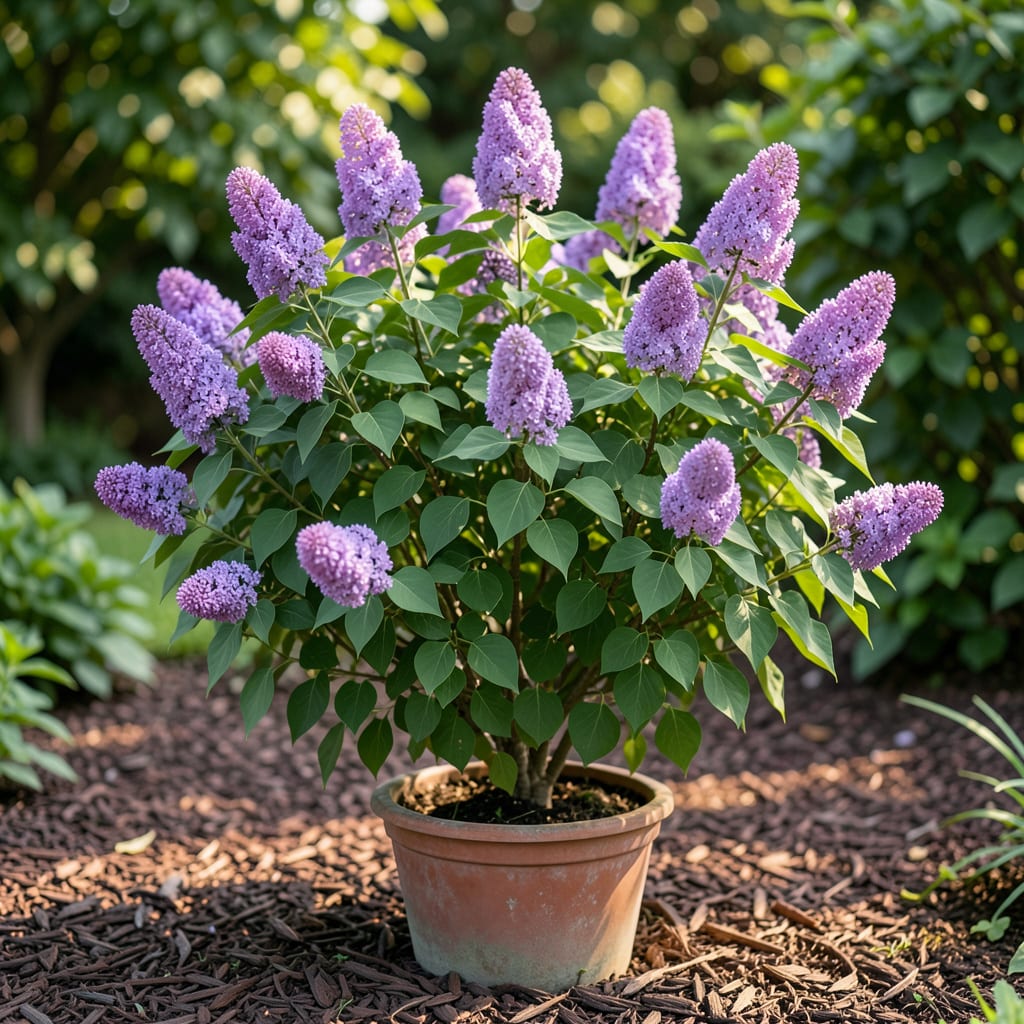
As spring arrives, lilacs 💜 burst into bloom, filling the air with their signature fragrance. But how long can you expect this beautiful display to last in your garden?
Lilac bloom duration varies based on factors like climate, soil quality, and maintenance practices. In USDA Zone 6, lilacs typically bloom for 3-4 weeks. Let’s explore the details to help you make the most of this spectacular flowering period.
Lilacs are known for their beautiful and fragrant blooms, but how long can you expect them to last? The bloom duration of lilacs typically ranges from 3 to 4 weeks, depending on various factors such as climate, soil quality, and maintenance practices.
In general, lilacs bloom in the spring, with the exact timing varying based on your location and the specific variety of lilac. Understanding these factors can help you maximize the blooming period and enjoy your lilacs to the fullest 🌼.
The climate plays a significant role in determining how long lilacs will bloom. In areas with cool springs and moderate temperatures, lilacs tend to have a longer bloom period. Conversely, warmer temperatures can cause the blooms to fade more quickly.
Soil quality is another crucial factor. Lilacs prefer well-draining soil with a slightly alkaline pH. Ensuring your soil meets these conditions can help prolong the blooming period.
Maintenance practices, such as pruning, can also impact lilac bloom duration. Proper pruning techniques can help maintain the health of the plant and encourage more blooms.
To maximize your lilac’s bloom time, consider factors such as variety selection and proper care. Some lilac varieties are bred for longer bloom periods or different bloom times, which can extend your overall lilac viewing season.
By understanding these factors and implementing appropriate care strategies, you can enjoy your lilacs to their fullest potential 🌺.
Lilacs are relatively low-maintenance plants, making them a great choice for many gardeners. Their fragrance and beauty make them a beloved addition to any garden.
In conclusion, while lilac bloom duration is generally 3-4 weeks, you can influence this period through careful planning and maintenance. By choosing the right variety and providing optimal care, you can enjoy these beautiful blooms for as long as possible.
For more specific advice tailored to your garden’s conditions, consider consulting with a local gardening expert or checking resources specific to your USDA zone.
Understanding the factors that influence lilac bloom times is crucial for gardeners who want to maximize their blooming period. Several key elements can affect how long lilacs bloom, including climate conditions, soil quality, and maintenance practices.
The climate plays a significant role in determining lilac bloom duration. Lilacs thrive in areas with cool springs and moderate temperatures. Warmer temperatures can cause the blooms to fade more quickly, while cooler temperatures can prolong the blooming period 🌼.
Lilacs are sensitive to temperature fluctuations, which can impact their bloom duration. A late frost can damage the blooms, while a warm spell can cause them to fade more quickly.
Soil quality is another critical factor that affects lilac bloom times. Lilacs prefer well-draining soil with a slightly alkaline pH. Ensuring your soil meets these conditions can help prolong the blooming period and promote healthy plant growth.
Maintenance practices, such as pruning, can also impact lilac bloom duration. Proper pruning techniques can help maintain the health of the plant and encourage more blooms. It’s essential to prune lilacs immediately after they finish blooming to avoid cutting off next year’s flowers 🌺.
In addition to these factors, variety selection can also influence lilac bloom times. Some lilac varieties are bred for longer bloom periods or different bloom times, which can extend your overall lilac viewing season.
By understanding these factors and implementing appropriate care strategies, you can enjoy your lilacs to their fullest potential. Regular monitoring of your lilacs’ response to these factors will help you make adjustments to optimize their bloom duration.
For gardeners in USDA Zone 6, lilacs typically bloom in late spring. Being aware of the specific needs of your lilacs and adapting your care routine accordingly can make a significant difference in their blooming performance.
To further enhance your lilac’s blooming, consider factors like sunlight exposure and watering practices. Lilacs require full sun to produce abundant blooms, and consistent moisture levels can support healthy growth and flowering.
To make the most of your lilac’s blooming period, it’s essential to understand the factors that influence their bloom duration and implement strategies to maximize it. Proper care and maintenance can significantly impact how long your lilacs bloom 🌼.
Select lilac varieties known for their longer bloom periods or different bloom times to extend your viewing season.
Prune your lilacs immediately after they finish blooming to maintain their health and encourage more blooms 🌺.
Provide your lilacs with full sun and well-draining soil with a slightly alkaline pH to support healthy growth and flowering.
By implementing these strategies, you can enjoy your lilacs to their fullest potential. Regular monitoring and adjustments to your care routine will help optimize their bloom duration.
For gardeners in USDA Zone 6, lilacs typically bloom in late spring. Being aware of the specific needs of your lilacs and adapting your care routine accordingly can make a significant difference in their blooming performance 🌻.
To further enhance your lilac’s blooming, consider factors like sunlight exposure and watering practices. Consistent moisture levels and adequate sunlight can support healthy growth and flowering.
Maximizing your lilac’s bloom time requires attention to detail and a commitment to providing optimal care. By following these tips, you can enjoy a longer and more vibrant lilac blooming season.
Lilacs usually bloom for 3-4 weeks in the spring. The exact duration can vary depending on factors like climate, soil quality, and maintenance practices. In areas with cool springs and moderate temperatures, lilacs tend to have a longer bloom period .
Several factors can influence how long lilacs bloom, including climate conditions, soil quality, and maintenance practices. Lilacs thrive in areas with cool springs and moderate temperatures, and they prefer well-draining soil with a slightly alkaline pH .
Yes, you can extend your lilac’s bloom time by implementing proper care and maintenance strategies. This includes choosing the right lilac variety, pruning properly, and ensuring optimal growing conditions like full sun and well-draining soil .
The best time to prune lilacs is immediately after they finish blooming. This helps maintain the health of the plant and encourages more blooms. Pruning at the wrong time can cut off next year’s flowers, so timing is crucial .
