
Beautiful Plants For Your Interior
Beautiful Plants For Your Interior
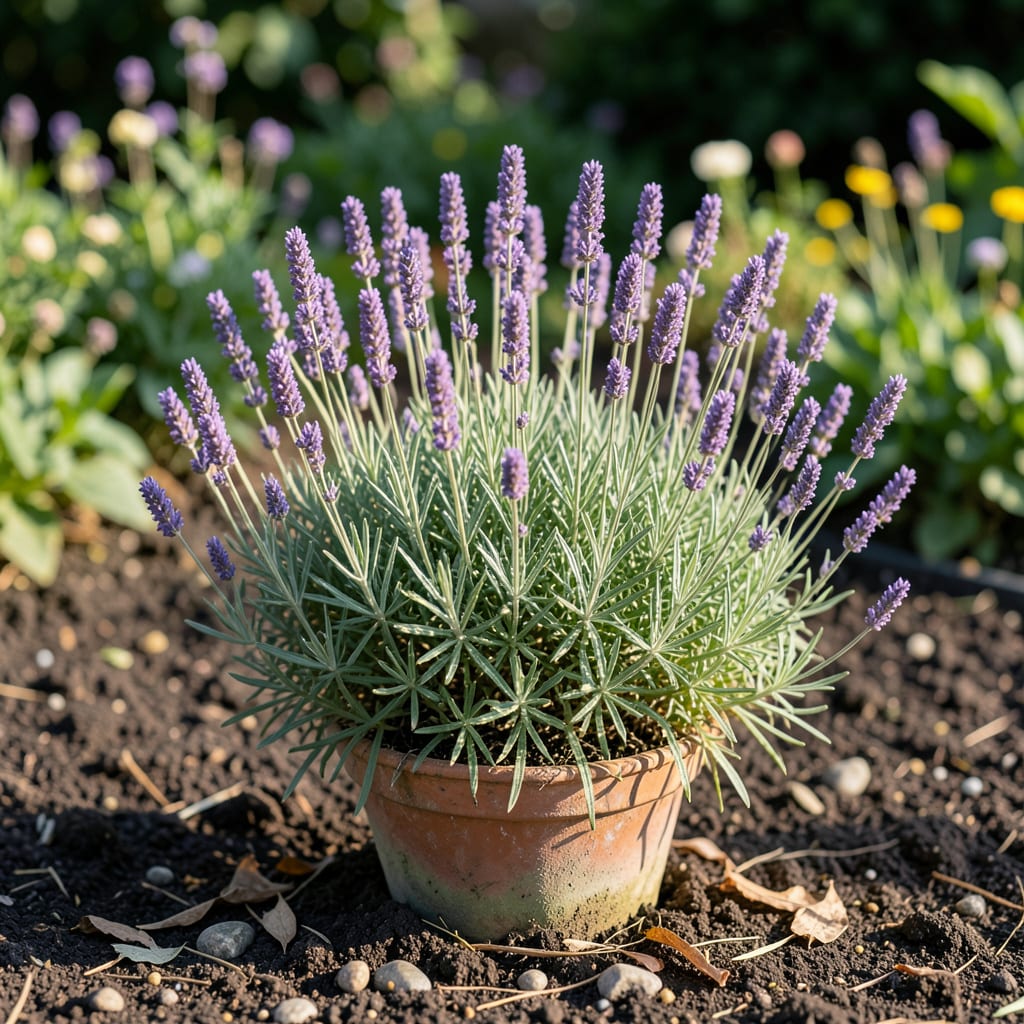
Lavender plants 💜 are a beautiful addition to any garden, but how long can you expect them to bloom? The blooming period varies depending on factors like climate, soil quality, and variety.
In USDA Zone 6, lavender typically blooms in the summer months, producing gorgeous purple flowers that attract pollinators and add fragrance to your outdoor space. Let’s dive into the details of what affects their blooming duration.
Lavender plants are known for their beautiful purple blooms and calming fragrance. The blooming period of lavender plants varies depending on several factors, including climate, soil quality, and variety. Understanding these factors is crucial for maximizing their beauty and fragrance in your garden 🌼.
In general, lavender plants typically bloom for 3-6 weeks during the summer months. However, some varieties may bloom for a longer or shorter period. The blooming duration can also be influenced by factors such as temperature, sunlight, and watering practices 🌻.
The blooming period of lavender plants can be influenced by the specific variety. Some popular varieties include English Lavender, French Lavender, and Spanish Lavender. Each variety has its unique characteristics and blooming periods 💐.
English Lavender typically blooms in early summer and has a relatively short blooming period of around 3-4 weeks. French Lavender, on the other hand, blooms in mid-summer and can have a longer blooming period of up to 6 weeks. Spanish Lavender blooms in late summer and has a relatively blooming period of around 4-5 weeks 🌺.
To maximize the blooming period of your lavender plants, it’s essential to provide them with optimal growing conditions. This includes planting them in well-draining soil and ensuring they receive full sun 🌞.
Lavender plants are also relatively drought-tolerant, but consistent moisture can help promote healthy growth and blooming. However, overwatering can be detrimental to the plant’s health and shorten its blooming period 💧.
By understanding the factors that affect the blooming period of lavender plants and providing them with optimal growing conditions, you can enjoy their beautiful blooms and fragrance for a longer period 🌼.
In summary, lavender plants typically bloom for 3-6 weeks during the summer months, and their blooming period can be influenced by factors such as climate, soil quality, and variety. By providing them with optimal growing conditions and proper care, you can maximize their blooming period and enjoy their beauty and fragrance for a longer time 🌺.
Regular maintenance, such as pruning and fertilizing, can also help promote healthy growth and blooming. Prune your lavender plants in the spring to encourage new growth and prevent them from becoming leggy ✂️.
Fertilize your lavender plants with a balanced fertilizer during the growing season to provide them with essential nutrients. Avoid overfertilizing, as this can damage the plant and reduce its blooming period 🚫.
To maximize your lavender’s blooming period, it’s essential to provide optimal growing conditions. Lavender plants thrive in full sun and well-draining soil, making them perfect for areas with good drainage 🌞.
One of the most effective ways to extend the blooming season is through proper pruning techniques. Prune your lavender plants in the spring to encourage new growth and prevent them from becoming leggy ✂️.
Prune your lavender plants immediately after they finish blooming to encourage new growth and promote a second flush of flowers.
Ensure your lavender plants are in well-draining soil to prevent root rot and promote healthy growth.
Lavender plants are drought-tolerant, but consistent moisture can help promote healthy growth and blooming. Water them sparingly, but deeply 🌿.
In addition to pruning and soil conditions, fertilizing can also play a role in extending the blooming season. Feed your lavender plants with a balanced fertilizer during the growing season to provide them with essential nutrients 🌻.
Avoid overfertilizing, as this can damage the plant and reduce its blooming period. A light application of fertilizer in the spring and summer should be sufficient 🚫.
By following these tips and providing your lavender plants with optimal growing conditions, you can enjoy their beautiful blooms and fragrance for a longer period 🌺.
Regular maintenance, such as pruning and fertilizing, can help promote healthy growth and blooming. By understanding the factors that affect the blooming period of lavender plants, you can take steps to maximize their beauty and fragrance in your garden 🌼.
With proper care and attention, your lavender plants can thrive and provide you with a bountiful harvest of fragrant flowers 🌸.
When growing lavender, it’s essential to avoid common mistakes that can shorten their blooming periods. One of the most significant errors is improper pruning. Pruning lavender at the wrong time can reduce its blooming capacity ✂️.
Another mistake is using the wrong soil type. Lavender plants prefer well-draining soil, and using soil that retains too much water can lead to root rot and reduce blooming 🌿.
Excessive watering can be detrimental to lavender plants. They are drought-tolerant and don’t require frequent watering. Overwatering can lead to root rot and reduce blooming 💧.
Excessive watering is another common mistake that can shorten lavender blooming periods. Lavender plants are adapted to dry conditions and can thrive with minimal watering 🌻.
To avoid these mistakes, ensure you’re providing your lavender plants with optimal growing conditions. This includes proper pruning, well-draining soil, and moderate watering 🌞.
By understanding the common mistakes that can shorten lavender blooming periods, you can take steps to avoid them and promote healthy growth and blooming 🌼.
Regular maintenance, such as pruning and monitoring soil moisture, can help prevent these mistakes and ensure your lavender plants thrive 🌺.
Lavender plants typically bloom for 3-6 weeks during the summer months. The exact duration depends on factors like climate, soil quality, and variety. Some varieties may bloom longer or shorter than this typical range.
To extend the blooming season, ensure your lavender plants receive full sun and are planted in well-draining soil. Proper pruning techniques after blooming can also encourage new growth and potentially a second flush of flowers. Regular maintenance like fertilizing with a balanced fertilizer during the growing season can help too.
Common mistakes include improper pruning, using the wrong soil type, and excessive watering. Lavender prefers dry conditions and well-draining soil. Avoid overwatering, which can lead to root rot and reduce blooming. Prune your lavender plants at the right time to encourage healthy growth.
Yes, different lavender varieties have unique blooming characteristics. For example, English Lavender typically blooms for 3-4 weeks in early summer, while French Lavender can bloom for up to 6 weeks in mid-summer. Understanding the specific variety you’re growing can help you anticipate its blooming period.
