
Beautiful Plants For Your Interior
Beautiful Plants For Your Interior
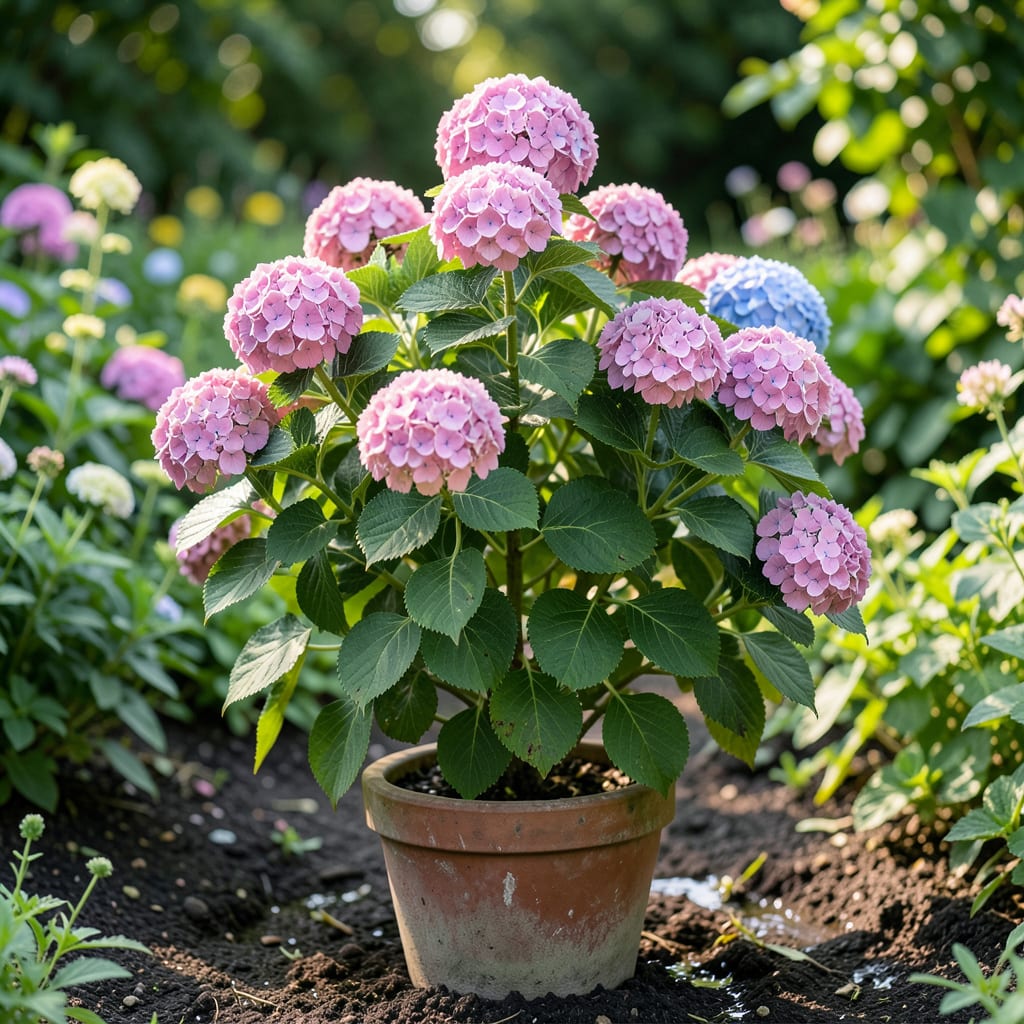
As a gardener, I’ve always been fascinated by Hydrangea 💐 blooms – their beauty is undeniable, but understanding their flowering cycle is key to maximizing their presence in your garden. The blooming duration can vary based on several factors.
In my experience, knowing how to care for these stunning shrubs can make all the difference. Let’s explore the ins and outs of Hydrangea blooming, including tips to encourage longer flowering seasons and common mistakes to avoid.
Hydrangeas are known for their beautiful and long-lasting blooms, but the exact duration can vary based on several factors. Generally, hydrangeas bloom for 3-6 months during the growing season.
The blooming period typically starts in late spring and continues through summer into early fall. However, the exact timing depends on the specific variety of hydrangea and local climate conditions 🌼.
The blooming cycle of hydrangeas can be influenced by factors such as climate, soil quality, and proper care. Understanding these factors is crucial for maximizing the blooming period.
Different types of hydrangeas have varying bloom durations. For example, Bigleaf Hydrangeas typically bloom from June to September, while Panicle Hydrangeas may bloom from July to October. The specific blooming period can also be affected by the plant’s age and health.
To encourage longer blooming, it’s essential to provide optimal growing conditions, including adequate sunlight, consistent watering, and appropriate fertilization. Proper pruning techniques also play a significant role in promoting healthy blooms 🌿.
Hydrangeas generally require partial shade to full sun, depending on the variety. Ensuring the right soil pH is also critical, as it affects the plant’s ability to absorb nutrients and produce vibrant blooms.
By understanding the specific needs of your hydrangea variety and providing the right care, you can enjoy a longer and more vibrant blooming season. Regular maintenance, such as mulching and deadheading, can also help extend the blooming period.
It’s worth noting that climate conditions, such as temperature and rainfall, can impact the blooming duration. In areas with mild summers, hydrangeas may bloom for a longer period compared to regions with extreme heat or drought.
Overall, with the right care and conditions, hydrangeas can provide a stunning display of color in your garden for several months. By following the tips and guidelines outlined here, you can maximize the blooming potential of your hydrangeas and enjoy their beauty throughout the growing season 🌻.
In summary, understanding the blooming cycle and providing optimal care are key to enjoying a long and vibrant hydrangea blooming season. With proper attention to detail and the right growing conditions, you can make the most of these beautiful plants in your garden.
To maximize your hydrangea’s blooming season, it’s essential to provide optimal growing conditions. This includes ensuring the right soil quality, adequate sunlight, and consistent watering. By understanding these factors, you can create an environment that encourages longer blooming 🌼.
Test your soil pH and adjust it if necessary. Hydrangeas prefer slightly acidic to neutral soil (pH 6.0-7.0).
Water your hydrangeas regularly, especially during dry spells. Aim for about 1 inch of water per week, either from rainfall or irrigation.
Feed your hydrangeas with a balanced fertilizer in early spring and again after blooming. This promotes healthy growth and abundant flowers.
In addition to these tips, pruning techniques play a crucial role in extending the blooming season. Prune your hydrangeas at the right time to avoid cutting off potential blooms. For most varieties, pruning in late winter or early spring is recommended 🌿.
Mulching around the base of your hydrangeas can also help retain soil moisture and regulate soil temperature. Use organic mulch like bark chips or compost to improve soil health over time.
By implementing these strategies, you can enjoy a longer and more vibrant hydrangea blooming season. Remember, the key is to provide consistent care and create an optimal growing environment for your plants 🌻.
Regular maintenance, such as deadheading spent blooms, can also encourage more flowering. While not all hydrangea varieties require deadheading, it can help promote a tidier appearance and potentially more blooms.
Understanding the specific needs of your hydrangea variety is crucial. Some hydrangeas, like Bigleaf Hydrangeas, may require more specific care compared to others. Always check the specific requirements for your plant to ensure you’re providing the best care possible.
With the right care and attention, your hydrangeas can thrive and provide a beautiful display of color in your garden for months. By following these tips, you can maximize their blooming potential and enjoy their beauty throughout the growing season.
When caring for hydrangeas, gardeners often make mistakes that can significantly shorten their blooming period. One of the most common errors is improper pruning. Pruning at the wrong time can remove potential flower buds, reducing the number of blooms 🌼.
Prune hydrangeas at the right time to avoid cutting off potential blooms. For most varieties, pruning in late winter or early spring is recommended.
Another critical mistake is having the wrong soil pH. Hydrangeas prefer slightly acidic to neutral soil (pH 6.0-7.0). If the soil is too alkaline or too acidic, it can affect the plant’s ability to absorb nutrients and produce vibrant blooms 🌿.
Inadequate watering is also a common issue. Hydrangeas need consistent moisture, especially during dry spells. Aim for about 1 inch of water per week, either from rainfall or irrigation.
To correct these mistakes, start by checking your pruning schedule and adjusting it according to your hydrangea variety. Test your soil pH and amend it if necessary. Ensure you’re providing adequate water and maintaining optimal soil conditions 🌻.
By avoiding these common mistakes, you can help extend the blooming period of your hydrangeas. Regular maintenance, such as mulching and fertilizing, can also promote healthy growth and abundant flowers.
Understanding the specific needs of your hydrangea variety is crucial. Some hydrangeas, like Bigleaf Hydrangeas, may require more specific care compared to others. Always check the specific requirements for your plant to ensure you’re providing the best care possible.
With the right care and attention, your hydrangeas can thrive and provide a beautiful display of color in your garden for months. By following these guidelines, you can maximize their blooming potential and enjoy their beauty throughout the growing season.
Hydrangeas usually bloom for 3-6 months during the growing season, typically from late spring through summer into early fall. The exact duration depends on factors like climate, soil quality, and proper care. Different varieties have different bloom durations, with some blooming longer than others .
Several factors can influence how long hydrangeas bloom, including climate conditions, soil quality, proper watering, and pruning techniques. Ensuring optimal growing conditions can help extend the blooming period. Regular maintenance like mulching and fertilizing also promotes healthy growth and abundant flowers .
Yes, you can extend the blooming season by providing optimal growing conditions, including adequate sunlight, consistent watering, and appropriate fertilization. Proper pruning techniques and regular maintenance like deadheading spent blooms can also encourage more flowering and a longer blooming period .
Common mistakes include improper pruning, having the wrong soil pH, and inadequate watering. Pruning at the wrong time can remove potential flower buds, while incorrect soil pH can affect nutrient absorption. Ensuring consistent moisture and correcting these mistakes can help extend the blooming period .
