
Beautiful Plants For Your Interior
Beautiful Plants For Your Interior
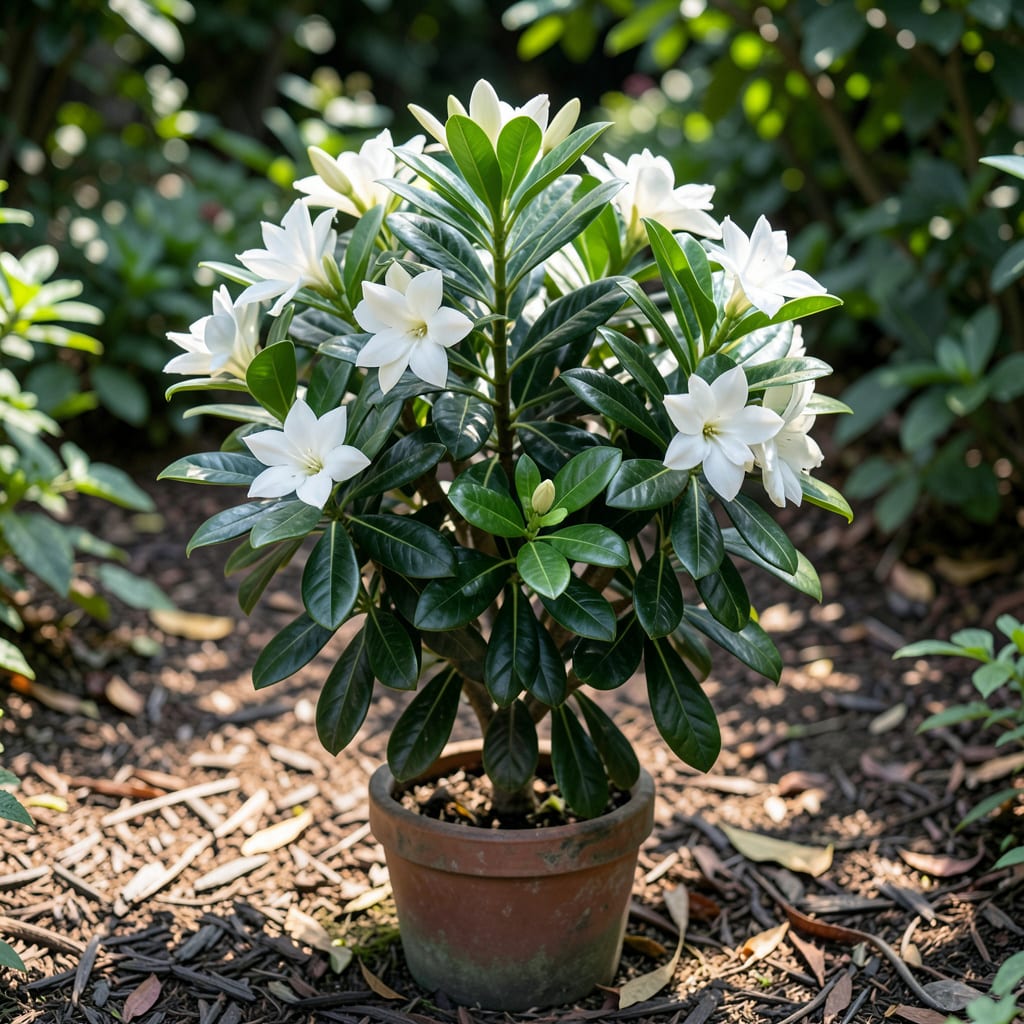
Gardenias 💐 are famous for their fragrant white blooms, but how long can you expect them to flower? In USDA zone 8b, these beautiful shrubs typically bloom from spring through summer, filling your garden with their intoxicating scent.
Understanding what affects their blooming period is key to enjoying these gorgeous flowers for longer. Let’s explore the factors that influence Gardenia bloom duration and how you can encourage longer flowering periods in your garden.
Gardenias are known for their beautiful, fragrant blooms that can last for several months. The blooming period typically occurs in spring and summer, with some varieties flowering in fall as well. The duration of the bloom can vary depending on factors such as climate, soil quality, and specific cultivar 🌼.
On average, gardenias bloom for 2-4 months during their active growing season. Some varieties may have a longer or shorter blooming period. Understanding the factors that influence bloom duration can help you maximize the flowering period in your garden 🌺.
The blooming period of gardenias is influenced by several factors, including temperature, light exposure, and soil quality. Gardenias thrive in USDA zone 8b, where they can receive the right amount of warmth and humidity 🌿.
Temperature plays a crucial role in gardenia blooming. They prefer daytime temperatures between 65-75°F (18-24°C) and nighttime temperatures around 60-65°F (15-18°C). Avoiding extreme temperature fluctuations can help prolong the blooming period ❄️.
Light exposure is another critical factor. Gardenias need bright, indirect light to produce plenty of flowers. Too little light can result in fewer blooms, while too much direct sunlight can cause the flowers to fade quickly ☀️.
Soil quality is also essential for optimal blooming. Gardenias prefer acidic soil with good drainage. Maintaining the right soil pH (between 5.0 and 6.0) can help ensure a healthy and prolonged blooming period 🌱.
In addition to these factors, watering practices and fertilization can impact the blooming duration. Consistent moisture and regular feeding with acidic fertilizer can support healthy growth and flowering 💧.
Different gardenia varieties may have slightly different blooming periods. Some may bloom more profusely in spring, while others may continue flowering into summer or even fall. Knowing your specific variety can help you anticipate and optimize its blooming period 📅.
To encourage longer blooming, it’s essential to provide your gardenias with the right growing conditions. This includes maintaining consistent moisture, avoiding over-fertilization, and ensuring proper soil acidity 🌿.
By understanding the factors that influence gardenia bloom duration and implementing the right care practices, you can enjoy these beautiful flowers for a longer period 🌸.
Regular monitoring of your gardenias’ health and adjusting your care routine as needed can also help maximize their blooming potential 🔍.
With proper care and attention, gardenias can be a stunning addition to your garden, providing months of fragrant blooms and beauty 💐.
Gardenias are known for their beautiful, fragrant blooms, and with the right care, you can enjoy these flowers for a longer period. To maximize your gardenia’s blooming potential, focus on providing optimal growing conditions and implementing practical gardening tips 🌼.
One of the most effective ways to extend your gardenia’s blooming period is by maintaining consistent soil moisture. Gardenias prefer soil that is consistently moist but not waterlogged. Check the soil regularly by inserting your finger into the soil up to the first knuckle 💧.
Gardenias thrive in acidic soil with a pH between 5.0 and 6.0. Test your soil regularly and amend it as necessary to maintain the optimal pH level 🌱.
Feed your gardenias with acidic fertilizer during the growing season (spring and summer). This will provide the necessary nutrients for healthy growth and abundant blooms 🌺.
Pruning your gardenias immediately after they finish blooming can encourage new growth and potentially lead to a second round of flowering 🌸.
In addition to these tips, ensure your gardenias receive adequate light and are protected from extreme temperatures. By following these guidelines, you can enjoy a longer and more vibrant blooming period from your gardenias 🌻.
Regular monitoring and adjustments to your care routine will help maximize your gardenia’s blooming potential. Keep an eye out for signs of stress or nutrient deficiencies, and address them promptly to keep your plants healthy 🔍.
With the right care and attention, your gardenias can provide months of beautiful, fragrant blooms, enhancing the beauty of your garden 💐.
By implementing these strategies, you can enjoy a more extended and vibrant blooming period from your gardenias, making them a stunning addition to your garden 🌼.
Gardenias are beautiful plants that require specific care to bloom optimally. Understanding common mistakes that can shorten their blooming period is crucial for maintaining their health and maximizing their flowering potential 🌼.
One of the most significant factors affecting gardenia blooming is improper lighting. Gardenias need bright, indirect light to produce plenty of flowers. Too little light can result in fewer blooms, while too much direct sunlight can cause the flowers to fade quickly ☀️.
Avoid placing gardenias in areas with insufficient light or direct sunlight that can scorch their leaves and flowers.
Temperature fluctuations are another critical factor that can impact gardenia blooming. Gardenias prefer daytime temperatures between 65-75°F (18-24°C) and nighttime temperatures around 60-65°F (15-18°C). Avoiding extreme temperature fluctuations can help prolong the blooming period ❄️.
Nutrient deficiencies can also affect gardenia blooming. Gardenias require acidic soil with adequate nutrients. Regular feeding with acidic fertilizer during the growing season can support healthy growth and abundant blooms 🌺.
To avoid shortening your gardenia’s blooming period, ensure you provide the right growing conditions, including proper lighting, consistent temperatures, and adequate nutrients 🌿.
By being aware of these common mistakes and taking steps to avoid them, you can enjoy a longer and more vibrant blooming period from your gardenias 🌸.
Regular monitoring of your gardenias’ health and adjusting your care routine as needed can also help maximize their blooming potential 🔍.
With proper care and attention, gardenias can be a stunning addition to your garden, providing months of fragrant blooms and beauty 💐.
Gardenias usually bloom for 2-4 months during their active growing season, typically in spring and summer. Some varieties may continue flowering into fall. The exact duration depends on factors like climate, soil quality, and specific cultivar .
Several factors influence gardenia bloom duration, including temperature, light exposure, and soil quality. Gardenias thrive in USDA zone 8b with daytime temperatures between 65-75°F (18-24°C) and nighttime temperatures around 60-65°F (15-18°C) .
To extend your gardenia’s blooming period, maintain consistent soil moisture, ensure proper soil pH (5.0-6.0), and fertilize regularly with acidic fertilizer during the growing season. Prune your gardenias immediately after they finish blooming to encourage new growth .
Common mistakes include improper lighting, temperature fluctuations, and nutrient deficiencies. Gardenias need bright, indirect light and consistent temperatures to bloom optimally. Regular feeding with acidic fertilizer can also support healthy growth and abundant blooms .
