
Beautiful Plants For Your Interior
Beautiful Plants For Your Interior
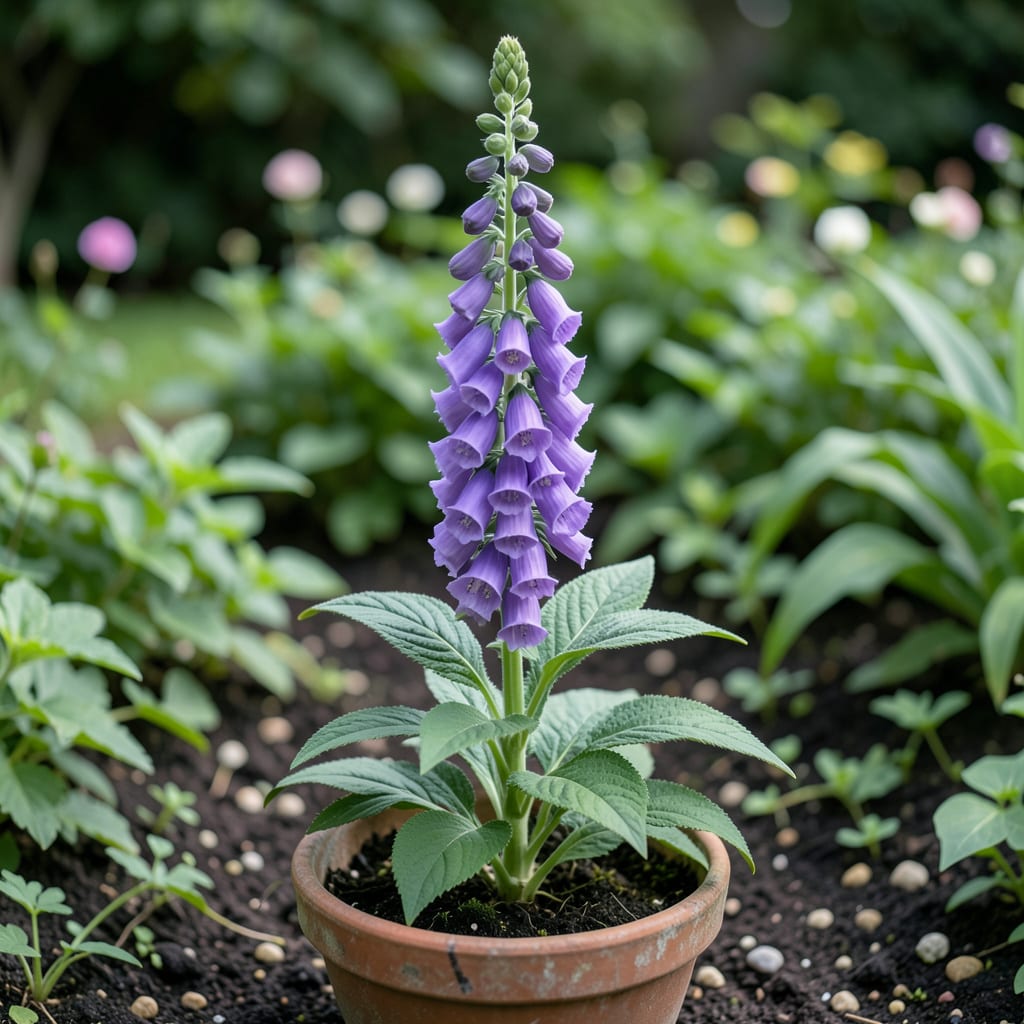
Foxglove 💐 adds a dramatic touch to any garden with its elegant spikes of tubular flowers. Understanding their blooming cycle is key to making the most of these beautiful plants in USDA Zone 6.
I’ll explore how long foxglove bloom and share tips to maximize their flowering season, helping you enjoy these stunning flowers for longer. Let’s dive into the details.
Foxglove plants are known for their stunning flower spikes that add drama to any garden. The blooming period is a crucial aspect of their life cycle, typically lasting 3-4 weeks for individual plants. However, with proper care and conditions, you can enjoy foxglove blooms for 6-8 weeks in your garden 🌼.
The blooming duration can vary based on factors like weather conditions, soil quality, and the specific foxglove variety. Understanding these factors is key to maximizing the blooming season. Let’s explore the details of foxglove bloom duration and what you can expect 🌻.
The typical bloom duration for individual foxglove plants is around 3-4 weeks. However, by planting multiple foxgloves at different times or having a staggered plant population, you can extend the overall flowering season in your garden. This staggered blooming creates a continuous display of flowers, making the most of the foxglove’s beauty 💐.
Factors affecting bloom duration include weather conditions, soil quality, and the specific foxglove variety. Cooler temperatures and consistent moisture can help prolong the blooming period, while extreme heat or drought may shorten it. Understanding these factors helps you create optimal conditions for your foxgloves 🌿.
Foxglove plants typically bloom in late spring to early summer, with the exact timing depending on your location and the specific variety. By understanding these factors, you can better plan your garden and enjoy the beautiful foxglove blooms for as long as possible 📅.
To maximize the blooming season, it’s essential to provide optimal growing conditions. This includes planting foxgloves in well-draining soil with partial shade and maintaining consistent moisture. Proper care can significantly impact the length and quality of the bloom 🌻.
Another important aspect is the foxglove variety. Some varieties are bred for longer blooming periods or for producing more flowers. Choosing the right variety for your garden can help you achieve the desired blooming duration 🌼.
In addition to the factors mentioned, deadheading can also play a role in extending the blooming period. By removing spent flowers, you can encourage the plant to produce more blooms, although this is more effective with some varieties than others 🌺.
Understanding the blooming cycle of foxgloves and the factors that influence it allows you to plan your garden more effectively. By providing optimal care and choosing the right varieties, you can enjoy these beautiful flowers for a longer period 🌸.
Foxglove’s biennial nature means that the plants typically bloom in their second year. Planning for this cycle is crucial when incorporating foxgloves into your garden design. By understanding their life cycle, you can ensure a continuous display of blooms over multiple seasons 📆.
In conclusion, while individual foxglove plants bloom for 3-4 weeks, you can enjoy their beauty for 6-8 weeks with proper planning and care. By understanding the factors that affect bloom duration and providing optimal growing conditions, you can maximize the flowering season in your garden 🌼.
To maximize your foxglove’s blooming period, I recommend implementing several key gardening strategies. First, proper deadheading is crucial as it encourages the plant to produce more flowers, although effectiveness varies by variety 🌼.
Maintaining optimal soil conditions is another vital factor. Foxgloves thrive in well-draining soil with consistent moisture. Regular watering and mulching can help retain soil moisture and regulate soil temperature 🌿.
Ensure your foxgloves receive 4-6 hours of indirect sunlight daily. This promotes healthy growth and maximizes blooming potential.
Water your foxgloves weekly, providing about 1 cup of water per plant. Adjust based on weather conditions to maintain consistent moisture.
Feed your foxgloves with a balanced fertilizer (10-10-10 NPK) every 4-6 weeks during the growing season. This supports healthy growth and blooming.
By implementing these strategies, you can significantly extend your foxglove’s blooming period. Remember that cooler temperatures and consistent moisture also play a role in prolonging the bloom 🌸.
It’s worth noting that different foxglove varieties may respond differently to these techniques. Experimenting with various methods will help you determine the most effective approach for your specific plants 🌼.
Regular maintenance, including monitoring soil moisture and providing support for tall flower spikes, contributes to a healthier plant and potentially longer blooming period 🌻.
By combining these tips and understanding the specific needs of your foxgloves, you can enjoy their beautiful blooms for a longer period in your garden 📆.
After the foxglove blooming season ends, proper post-bloom care is essential to ensure healthy plants for the next season. I recommend starting with seed saving if you want to propagate new plants or share with others 🌼.
For biennial foxgloves, which typically bloom in their second year, it’s crucial to allow some plants to go to seed. This natural process helps maintain a continuous cycle of new plants in your garden 🌱.
After blooming, cut back the flower stalk to encourage new growth. For biennials, leave some stalks intact for seed production.
Once you’ve saved seeds or decided not to, you can proceed with foliage care. Remove any dead or damaged leaves to maintain plant health and appearance 🌿.
Another important aspect is plant rejuvenation. For perennial foxgloves, cutting back the foliage after blooming can help promote new growth and maintain plant vigor 🌸.
It’s also worth noting that foxgloves can be susceptible to self-seeding, which can be both beneficial and challenging. While it helps maintain a natural cycle, it may require some management to prevent overcrowding 🌻.
By following these post-bloom care tips, you can ensure that your foxgloves remain healthy and continue to provide beauty in your garden for seasons to come 📆.
Regular maintenance after blooming not only prepares your plants for the next season but also gives you an opportunity to assess your garden’s overall health and make necessary adjustments 🌼.
In conclusion, proper post-bloom care is a critical step in maintaining healthy foxglove plants. By saving seeds, caring for foliage, and rejuvenating plants, you can enjoy these beautiful flowers for years to come 🌸.
Foxglove plants typically bloom for 3-4 weeks individually, but with multiple plants, you can enjoy blooms for 6-8 weeks. The blooming period usually occurs in late spring to early summer. Proper care and conditions can help maximize the blooming season .
To extend the blooming season, plant multiple foxgloves at different times or maintain a staggered plant population. Additionally, practices like deadheading, maintaining optimal soil conditions, and providing consistent moisture can help prolong the bloom. These techniques encourage the plant to produce more flowers and maintain overall health .
Several factors can influence foxglove bloom duration, including weather conditions, soil quality, and the specific foxglove variety. Cooler temperatures and consistent moisture can help prolong the blooming period, while extreme heat or drought may shorten it. Understanding these factors helps in creating optimal growing conditions .
Yes, post-bloom care is essential for maintaining healthy foxglove plants. This includes seed saving, removing dead or damaged leaves for foliage care, and plant rejuvenation by cutting back foliage after blooming. These practices help ensure the plants remain healthy and continue to bloom in subsequent seasons .
