
Beautiful Plants For Your Interior
Beautiful Plants For Your Interior
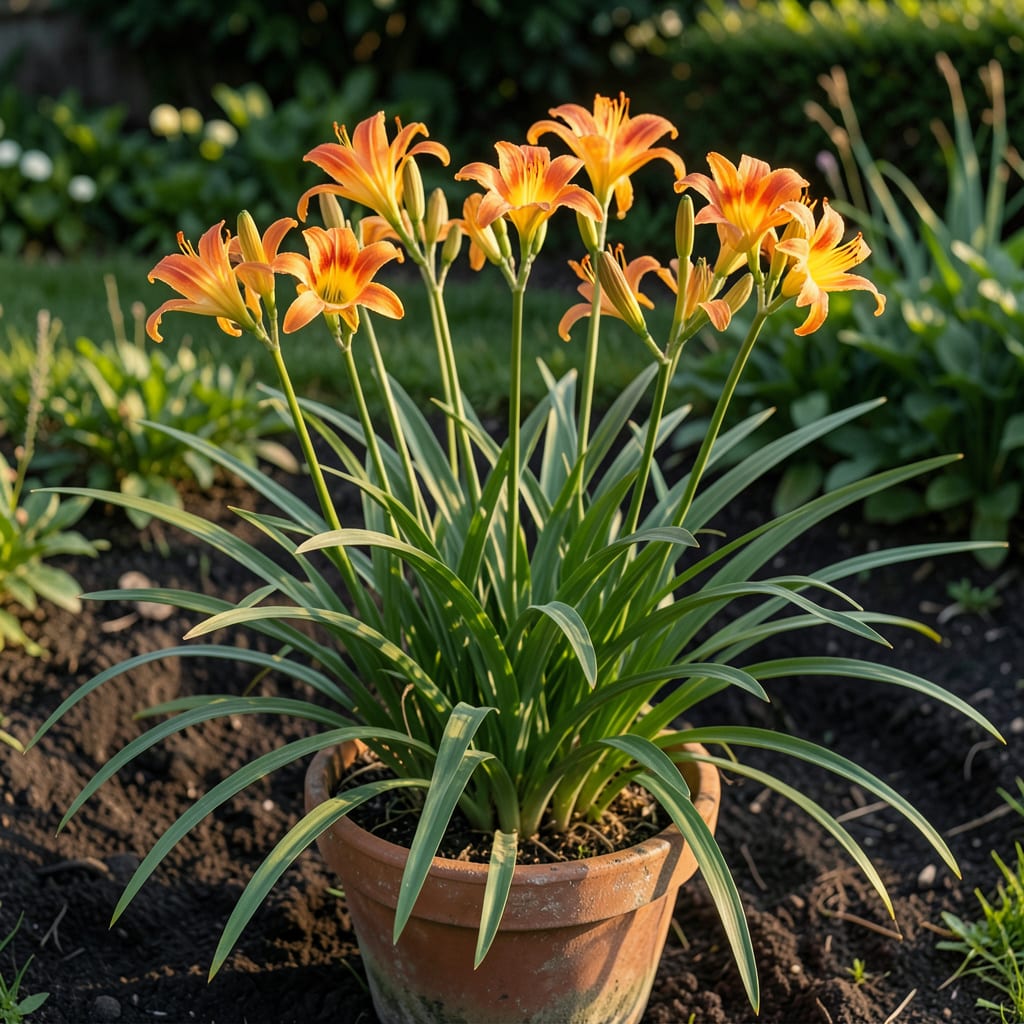
As I gaze at my garden filled with vibrant Daylilies 💐, I’m reminded that their blooming period is relatively short-lived. Typically, each Daylily flower blooms for just 24 hours, but with proper care, the overall blooming season can last several weeks.
To maximize their beauty in USDA Zone 6, understanding the factors that influence Daylily bloom duration is essential. Let’s explore how to make the most of these stunning flowers in your garden.
Daylilies are known for their vibrant blooms and low-maintenance requirements. Understanding their flowering duration can help maximize their beauty in your garden. The blooming period of daylilies is influenced by several factors, including the specific cultivar, growing conditions, and care practices 🌼.
Typically, individual daylily flowers last for 24 hours, hence the name “daylily.” However, the overall blooming season can extend for several weeks due to the numerous buds on each scape. Let’s explore the factors that affect daylily bloom duration and patterns in more detail.
The overall blooming season of daylilies can be influenced by factors such as climate, soil quality, and fertilization practices. Providing optimal growing conditions can help extend the blooming period and ensure a vibrant display of flowers 🌻.
Daylily varieties come in a range of bloom times, from early to late season. By selecting a mix of varieties, gardeners can enjoy a continuous blooming display throughout the growing season.
To further understand daylily bloom duration, let’s examine the factors that affect their flowering. Temperature and sunlight are crucial, as daylilies generally thrive in full sun to partial shade and temperatures between 65°F to 75°F (18°C to 24°C).
Soil quality also plays a significant role, as daylilies prefer well-draining soil rich in organic matter. Proper fertilization, such as using a balanced fertilizer during the growing season, can promote healthy growth and blooming.
In addition to these factors, deadheading spent blooms can encourage daylilies to produce more flowers, potentially extending the blooming period. Understanding these elements can help gardeners make the most of their daylily displays.
Daylilies are versatile plants that can thrive in various garden settings, from borders to containers. Their adaptability and low-maintenance requirements make them a popular choice among gardeners.
By combining different daylily varieties and providing optimal care, gardeners can enjoy a prolonged and vibrant blooming season. This approach not only enhances the visual appeal of the garden but also attracts pollinators and adds to the overall biodiversity 🌼.
In conclusion, understanding daylily bloom duration and patterns involves considering various factors that influence their flowering. By selecting the right varieties and providing proper care, gardeners can maximize the beauty and longevity of their daylily displays.
I always look for ways to make the most of my daylily blooms, and understanding how to extend their flowering season is crucial. By implementing a few expert strategies, you can enjoy these beautiful flowers for a longer period 🌼.
To start, let’s explore some effective methods for prolonging the daylily blooming season. These include techniques such as deadheading, proper fertilization, selecting the right varieties, and managing your garden effectively.
Removing faded flowers encourages the plant to produce more buds, potentially extending the blooming period. This simple practice can make a significant difference in the overall display 🌺.
Using a balanced fertilizer during the growing season promotes healthy growth and blooming. Daylilies generally benefit from fertilization in early spring and after blooming.
Choosing daylily varieties with different bloom times can create a continuous flowering display. Consider mixing early, mid-season, and late blooming varieties.
By combining these strategies, you can significantly extend the daylily blooming season in your garden. Remember that factors like climate, soil quality, and overall garden management also play crucial roles in determining bloom duration 🌻.
Maintaining optimal growing conditions is essential for maximizing the blooming period. Ensure your daylilies receive adequate sunlight and water, and keep the soil well-draining and rich in organic matter.
With these expert tips, you can enjoy a longer and more vibrant daylily blooming season. By understanding the factors that influence bloom duration and implementing effective care practices, you can make the most of these beautiful flowers in your garden 🌼.
In my experience, the key to a successful daylily display is a combination of proper care and strategic variety selection. By following these guidelines, you can create a stunning and prolonged blooming season that will enhance your garden’s beauty.
When it comes to creating a stunning daylily display, selecting the right varieties is crucial. By choosing daylilies with different bloom times, you can enjoy a continuous flowering display throughout the growing season 🌼.
Let’s explore the different types of daylily varieties and their bloom times to help you create a beautiful and prolonged blooming display.
By mixing these different types of daylily varieties, you can create a dynamic and continuous blooming display that will keep your garden looking vibrant and beautiful throughout the growing season.
When selecting daylily varieties, consider factors such as climate, soil type, and desired bloom time to ensure the best performance in your garden 🌻.
I recommend choosing a mix of daylily varieties to achieve a prolonged and varied blooming season. This approach not only enhances the visual appeal of your garden but also attracts a wider range of pollinators and adds to the overall biodiversity 🌼.
By understanding the different bloom times of daylily varieties and selecting a diverse range, you can enjoy a beautiful and continuous display of these stunning flowers in your garden.
Daylily flowers usually last for 24 hours, hence their name. However, each stem produces multiple buds, extending the overall blooming period to 2-4 weeks. This means you’ll enjoy a succession of blooms from each scape.
Yes, you can extend the blooming season by planting a mix of early, mid-season, and late blooming varieties. This strategy creates a continuous flowering display throughout the growing season. You can also deadhead spent blooms to encourage more flowering.
Several factors affect daylily bloom duration, including climate, soil quality, and fertilization practices. Daylilies thrive in full sun to partial shade and temperatures between 65°F to 75°F (18°C to 24°C). Proper care can help maximize their blooming period.
Yes, reblooming daylilies are bred to produce multiple rounds of flowers throughout the growing season. This trait can significantly extend the blooming period in your garden, providing a longer display of beautiful flowers.
