
Beautiful Plants For Your Interior
Beautiful Plants For Your Interior
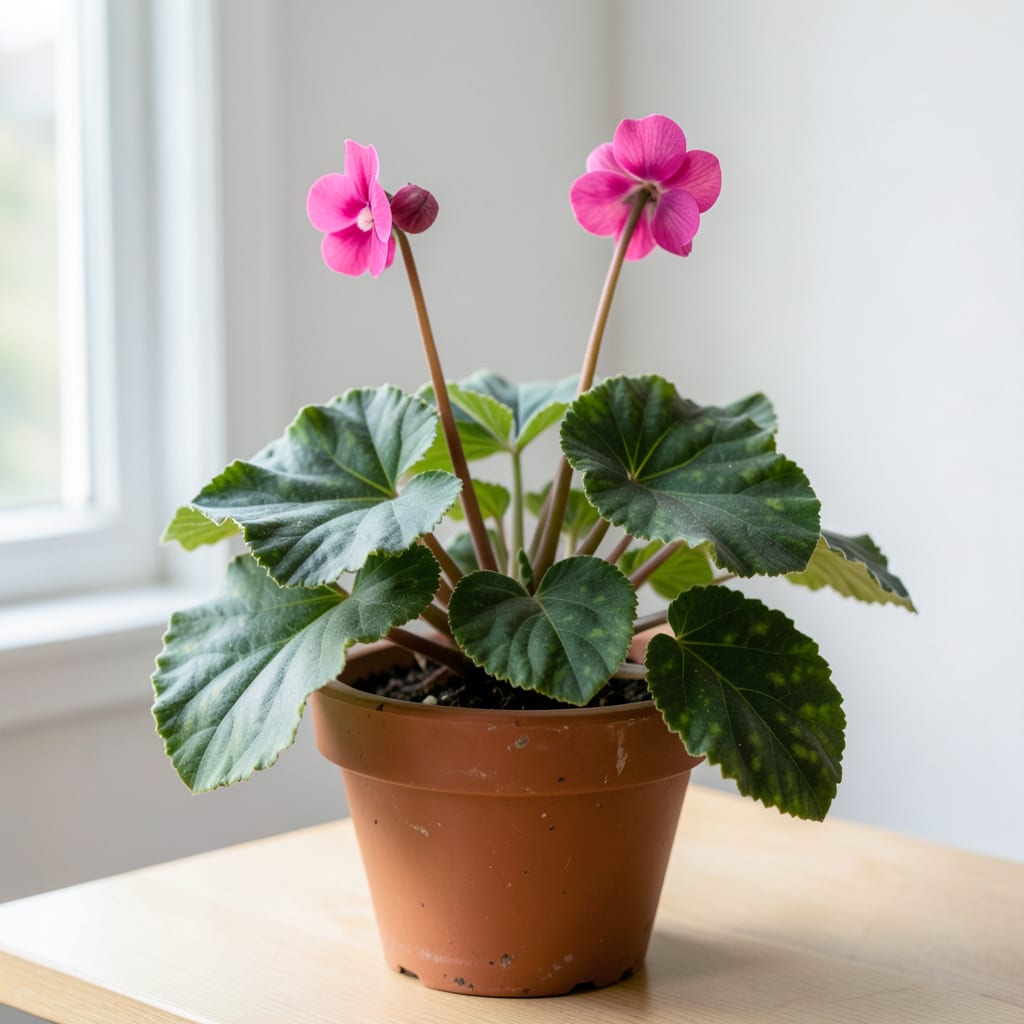
Begonias 💐 are a gardener’s delight, offering vibrant blooms that brighten any garden or indoor space. Understanding their flowering cycle is key to maximizing their beauty.
I’ve grown begonias in USDA Zone 6 and found that with proper care, they can bloom for months. Let’s explore what affects their blooming duration and how to extend their flowering periods.
Begonias are known for their beautiful and long-lasting blooms, but the duration of their flowering period can vary significantly depending on several factors. Understanding these factors is crucial for maximizing their blooming potential.
The variety of begonia plays a significant role in determining its bloom duration. Some begonias, like the tuberous begonias, are known for their long blooming periods, while others may flower for shorter durations. 🌼
In general, begonias can bloom for several months during their growing season. Some varieties may start flowering in spring and continue through fall, providing a long period of colorful blooms.
Proper care is essential for maximizing the bloom duration of begonias. This includes providing the right amount of light, maintaining optimal temperatures, and ensuring consistent watering and fertilization practices. 💧
The blooming period of begonias can be influenced by factors such as light exposure, temperature fluctuations, and watering consistency. By understanding and controlling these factors, gardeners can enjoy a longer and more vibrant blooming period.
Some begonias are known to be continuous bloomers, producing flowers throughout the growing season. These varieties can provide a constant display of color and beauty in the garden or indoor space.
Deadheading is a crucial practice for prolonging the blooming period of begonias. By removing spent flowers, gardeners can encourage the plant to produce more blooms and maintain its overall appearance.
Begonias generally require bright, indirect light to bloom well. Direct sunlight can be too intense and may cause the flowers to fade or the leaves to become scorched.
Maintaining a consistent watering schedule is vital for begonias. Overwatering can lead to root rot, while underwatering can cause the plant to become stressed and reduce blooming.
By following these guidelines and providing optimal care, gardeners can enjoy a longer and more vibrant blooming period from their begonias. 🌺
To maximize your begonia’s blooming period, it’s essential to provide optimal growing conditions. Begonias thrive in bright, indirect light, making east- or west-facing windows ideal for indoor plants. 🌞
Proper watering techniques are crucial for extending the bloom period. Begonias prefer consistent moisture but can’t tolerate waterlogging. Check soil moisture by inserting your finger into the soil up to the first knuckle – if it feels dry, it’s time to water.
Provide 4-6 hours of bright, indirect light daily. Direct sunlight can scorch leaves, while too little light reduces blooming.
Keep temperatures between 65°F to 75°F (18°C to 24°C) during the day and slightly cooler at night for optimal blooming.
Use a balanced fertilizer (20-20-20) every 4-6 weeks during the growing season to promote healthy growth and blooming.
Deadheading is another effective way to extend the blooming period. Remove spent flowers to encourage the plant to produce more blooms and maintain its appearance. Regular pruning also helps by removing leggy growth and promoting bushier plants.
By implementing these strategies, you can enjoy a longer and more vibrant blooming period from your begonias. With proper care and attention, begonias can become a stunning addition to your garden or indoor space, providing months of beautiful flowers. 💐
Monitoring your begonias’ response to different care practices and adjusting accordingly is key to maximizing their bloom duration. Be patient and observant, as it may take some time to find the perfect balance for your plants.
Remember that different begonia varieties may have slightly different needs, so it’s essential to research the specific requirements of your plants to provide the best care.
By following these tips and providing optimal care, you can enjoy a prolonged and vibrant blooming period from your begonias, enhancing the beauty of your garden or indoor space.
When growing begonias, it’s essential to avoid common mistakes that can significantly shorten their blooming period. One of the most critical errors is overwatering, which can lead to root rot and reduce flowering. Begonias prefer moist soil, but waterlogging can be detrimental 🌿.
Common errors like overwatering, poor soil quality, and inadequate light can significantly reduce begonia blooming periods.
Poor soil quality is another factor that can negatively impact begonia blooming. Begonias thrive in well-draining soil with a mix of organic matter. Using poor-quality potting soil can lead to nutrient deficiencies and reduced flowering 🌻.
Inadequate light is a common mistake that can shorten begonia blooming. While begonias don’t require direct sunlight, they need bright, indirect light to bloom well. Too little light can result in leggy growth and fewer flowers 💡.
Temperature extremes can also affect begonia blooming. Begonias prefer temperatures between 65°F to 75°F (18°C to 24°C) during the day and slightly cooler at night. Avoid placing begonias near heating or cooling vents, fireplaces, or drafty windows.
By avoiding these common mistakes, you can help ensure that your begonias bloom for a longer period, providing a vibrant display of color in your garden or indoor space 🌺.
Monitoring your begonias’ response to different care practices and adjusting accordingly is key to maximizing their bloom duration. Be patient and observant, as it may take some time to find the perfect balance for your plants.
By being aware of these potential pitfalls and taking steps to avoid them, you can enjoy a more prolonged and vibrant blooming period from your begonias.
Begonias can bloom for several months during their growing season, typically from spring to fall. The exact duration varies depending on the variety and growing conditions. Some begonias are known to be continuous bloomers, producing flowers throughout the growing season.
Several factors influence begonia blooming duration, including variety, light exposure, temperature, watering consistency, and fertilization practices. Providing optimal growing conditions is crucial for maximizing bloom duration.
To extend your begonia’s blooming period, ensure it receives bright, indirect light, maintain consistent moisture, fertilize regularly with a balanced fertilizer, and practice deadheading. These care practices encourage more blooms and promote healthy growth.
Begonias may stop blooming due to factors like overwatering, poor soil quality, inadequate light, or temperature extremes. Check your care routine and adjust accordingly to encourage blooming again.
