
Beautiful Plants For Your Interior
Beautiful Plants For Your Interior
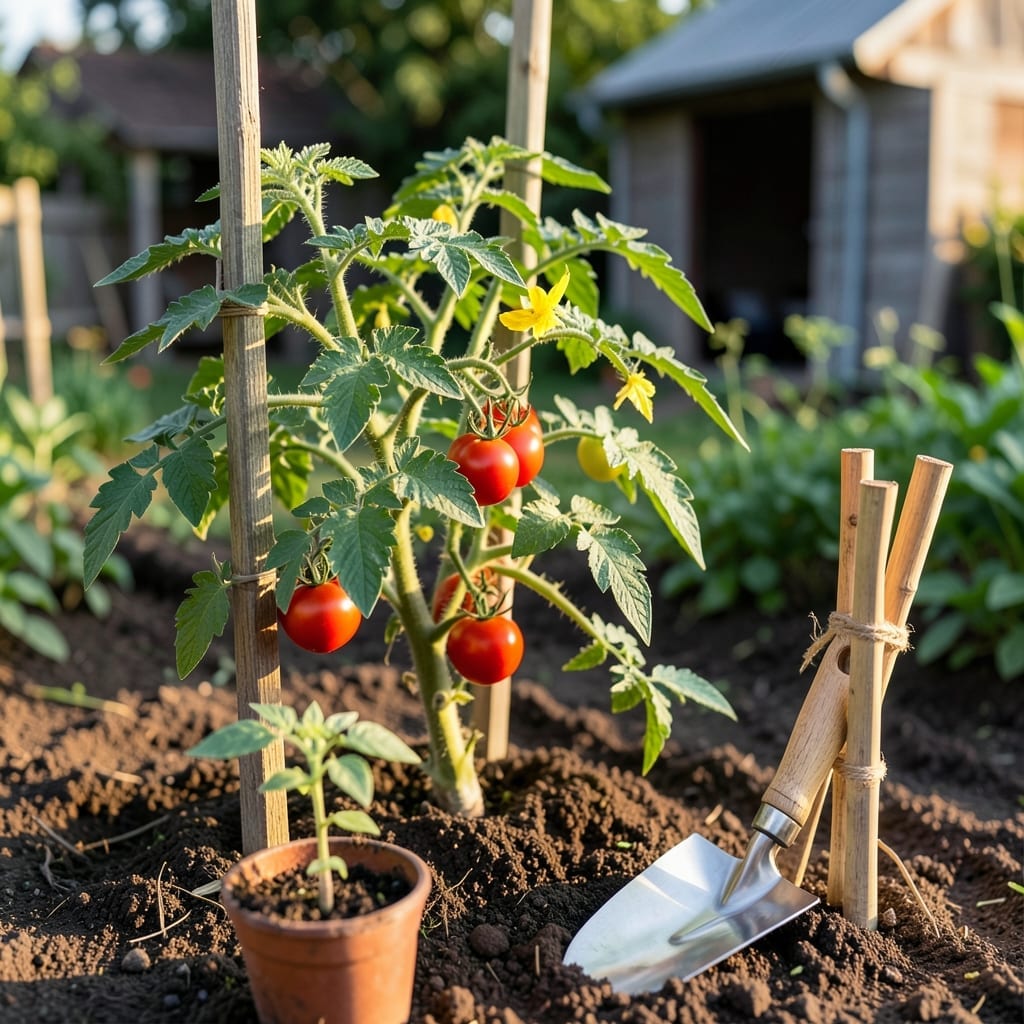
Think it’s too late to plant 🍅 Tomato? You might still have time to grow a bumper crop with the right approach.
Even late-season gardeners can enjoy fresh, homegrown tomatoes with a few strategic adjustments. Whether you’re in zone 6 or elsewhere, timing is everything for success.
Discover how to push the planting window and still harvest delicious fruit before frost arrives. Let’s make the most of your growing season.

I know many gardeners worry about missing the tomato planting window. The truth is, you can often plant later than you think. The key is knowing your frost dates and choosing the right varieties for your zone.
For most regions, the absolute deadline is about 2-3 weeks before your first expected frost. This gives plants enough time to mature before cold weather hits. In warmer zones, you might get away with planting even later.
| Zone | Last Planting Date | Days to Maturity |
|---|---|---|
| Zones 3-4 | June 15 | 50-60 days |
| Zones 5-6 | July 1 | 60-70 days |
| Zones 7-8 | July 15 | 70-80 days |
| Zones 9-10 | August 1 | 80+ days |
I always recommend checking your local frost dates for precision. These dates are just guidelines, and microclimates can affect your planting window. A soil thermometer is a great tool to ensure your ground is warm enough.
For late planting, focus on fast-maturing varieties. Cherry tomatoes like ‘Early Girl‘ or ‘Stupice’ can produce fruit in as little as 50-60 days. These are perfect for pushing the season.
If you’re planting in July or August, consider using transplants instead of seeds. This gives you a head start and increases your chances of a harvest before frost. Just be sure to harden off your plants properly.
Another tip I swear by is using black plastic mulch. It warms the soil faster and helps retain heat, which is crucial for late-season planting. This simple step can buy you an extra 2-3 weeks of growing time.
Don’t forget about container gardening for late planting. Potted tomatoes can be moved indoors or to a sheltered spot when temperatures drop. This gives you more control over their environment.
I’ve found that determinate varieties often work better for late planting. They grow to a certain size, produce their fruit, and then stop. This makes them more predictable when you’re racing against the calendar.
Finally, keep an eye on the weather forecast. If a surprise cold snap is coming, have row covers or cloches ready to protect your plants. With these strategies, you can often extend your tomato season well beyond the traditional planting window.
Remember, gardening is as much about adapting as it is about following rules. With a little creativity and the right approach, you can enjoy homegrown tomatoes even from a late start.
🌱When time is short, I focus on fast-maturing tomato varieties to beat the clock. Look for early-season types that produce fruit in 50-60 days. These give you the best shot at a harvest before frost arrives.
Transplants are my go-to for late planting. They’re already 4-6 weeks old when you put them in the ground, giving you a huge head start over seeds. Just
I always pre-warm my soil before planting. A simple black plastic sheet laid over the bed for a week can raise soil temps by 5-10°F. This encourages faster root growth and earlier fruiting.
For containers, I use 5-gallon buckets with good drainage. They warm up quicker than garden soil and let me move plants to sunnier spots as needed. Plus, you can bring them indoors if frost threatens.
Consistent watering is crucial for late-planted tomatoes. I aim for 1-2 inches weekly, always in the morning. This helps prevent blossom end rot and keeps plants growing steadily.
Finally, I pinch off early flowers on young plants. This directs energy to root and foliage growth first, leading to stronger plants and better harvests later in the season.
🌱