
Beautiful Plants For Your Interior
Beautiful Plants For Your Interior
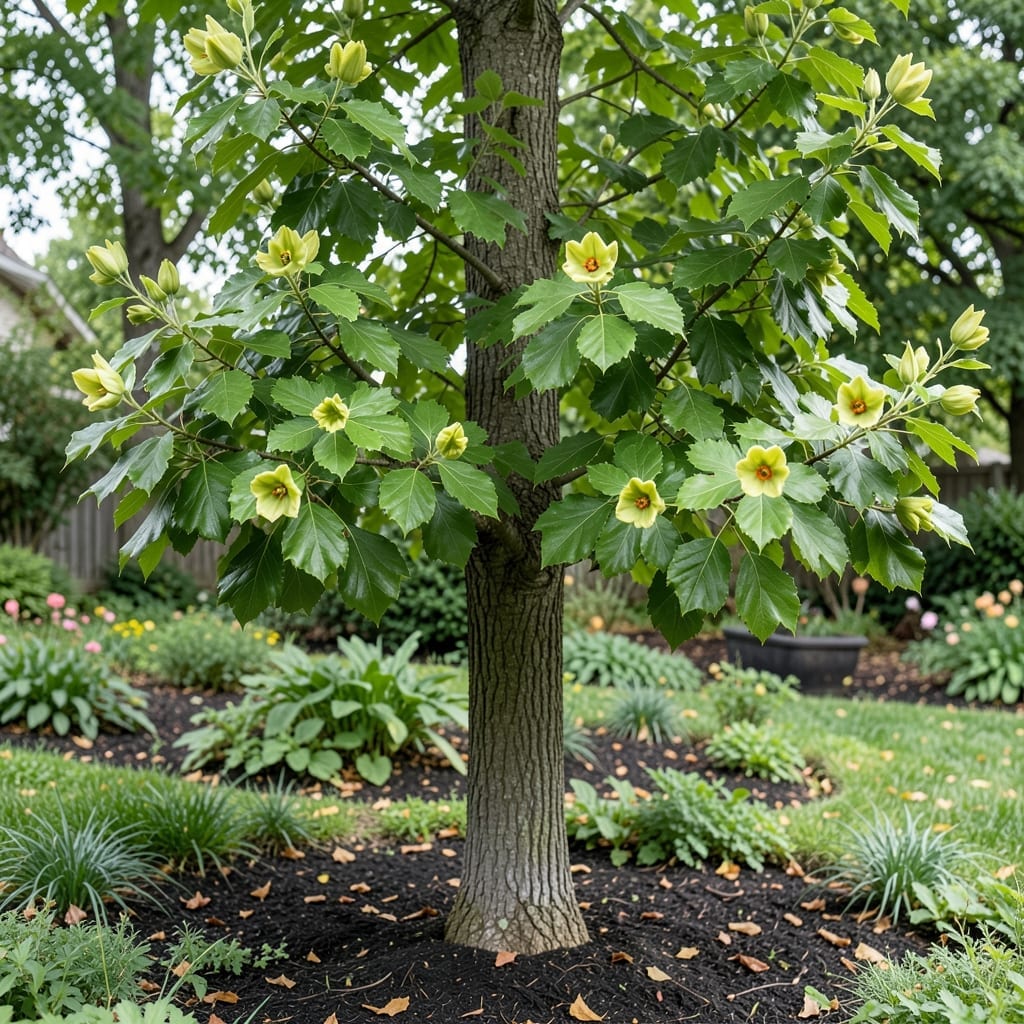
If you’ve ever planted a Tulip Poplar 🌳 and returned a year later to find it towering over your garden, you’re not imagining things. This tree is famous for its fast growth, often leaving gardeners amazed at how quickly it transforms their landscape.
Understanding this growth rate helps you plan where to plant and how to care for your Tulip Poplar. It’s not just about height—it’s about creating the perfect environment for it to thrive.
Let me walk you through what to expect year by year and how to support its rapid development. You’ll be surprised at just how much it can grow in a short time.

Tulip poplars are true growth champions in the tree world, often shooting up 3-5 feet in their first year alone. This rapid ascent continues, with many young trees adding 8-12 feet the following year under ideal conditions.
By year three, it’s common to see these trees reaching 15-20 feet, making them one of the fastest-growing hardwoods in North America. Their growth rate slows slightly as they mature, but they’re still impressive.
| Year | Height Gained | Total Height |
|---|---|---|
| 1 | 3-5 ft | 3-5 ft |
| 2 | 8-12 ft | 11-17 ft |
| 3 | 15-20 ft | 26-37 ft |
| 10 | 3-5 ft/year | 50-70 ft |
| Mature | 70-90 ft |
After the initial burst of growth, tulip poplars typically add 3-5 feet per year until they reach maturity. This means that in just a decade, you could have a tree that’s 50-70 feet tall.
It’s important to note that these growth rates assume optimal conditions. In less-than-ideal environments, you might see slightly slower growth, but the tree will still outpace most other hardwoods.
The mature height of a tulip poplar can reach an impressive 70-90 feet, with some specimens growing even taller. This makes them excellent choices for large properties or open spaces.
I’ve seen firsthand how these trees can transform a landscape quickly. One season you’re planting a small sapling, and just a few years later, you’re looking up at a substantial tree providing generous shade.
Remember that while height growth is impressive, the tree’s canopy spread also increases significantly. Plan your planting location with both vertical and horizontal growth in mind.
For the best results, plant your tulip poplar in full sun and well-drained soil. These conditions will help it achieve its maximum growth potential and maintain good health.
With proper care, your tulip poplar will reward you with rapid growth and beautiful tulip-shaped flowers in the spring 🌳
While tulip poplars are naturally fast growers, their development speed depends on several key factors. I’ve found that soil quality and sunlight exposure make the biggest difference in their annual height gains.
Rich, well-draining soil provides the nutrients these trees crave, while full sun (6+ hours daily) fuels their rapid metabolism. Without these, growth can slow by 30-50% compared to ideal conditions.
Water availability is another critical factor, especially for young trees. I recommend deep weekly watering during the first growing season to establish strong roots. Once mature, these trees become more drought-tolerant.
Climate plays a role too. Tulip poplars thrive in moderate climates with distinct seasons. Extreme heat or cold can stress the tree and slow growth. In my experience, trees in optimal zones grow about 20% faster than those at zone edges.
Proper spacing prevents competition for resources. Plant your tulip poplar at least 30-40 feet from other large trees. Crowding can reduce growth rates by 10-15% annually.
Finally, pest and disease management keeps your tree growing strong. Watch for aphids and leaf spot diseases, which can weaken the tree. Regular inspections help catch issues early.
With the right conditions, you’ll be amazed at how quickly your tulip poplar transforms your landscape 🌳