
Beautiful Plants For Your Interior
Beautiful Plants For Your Interior
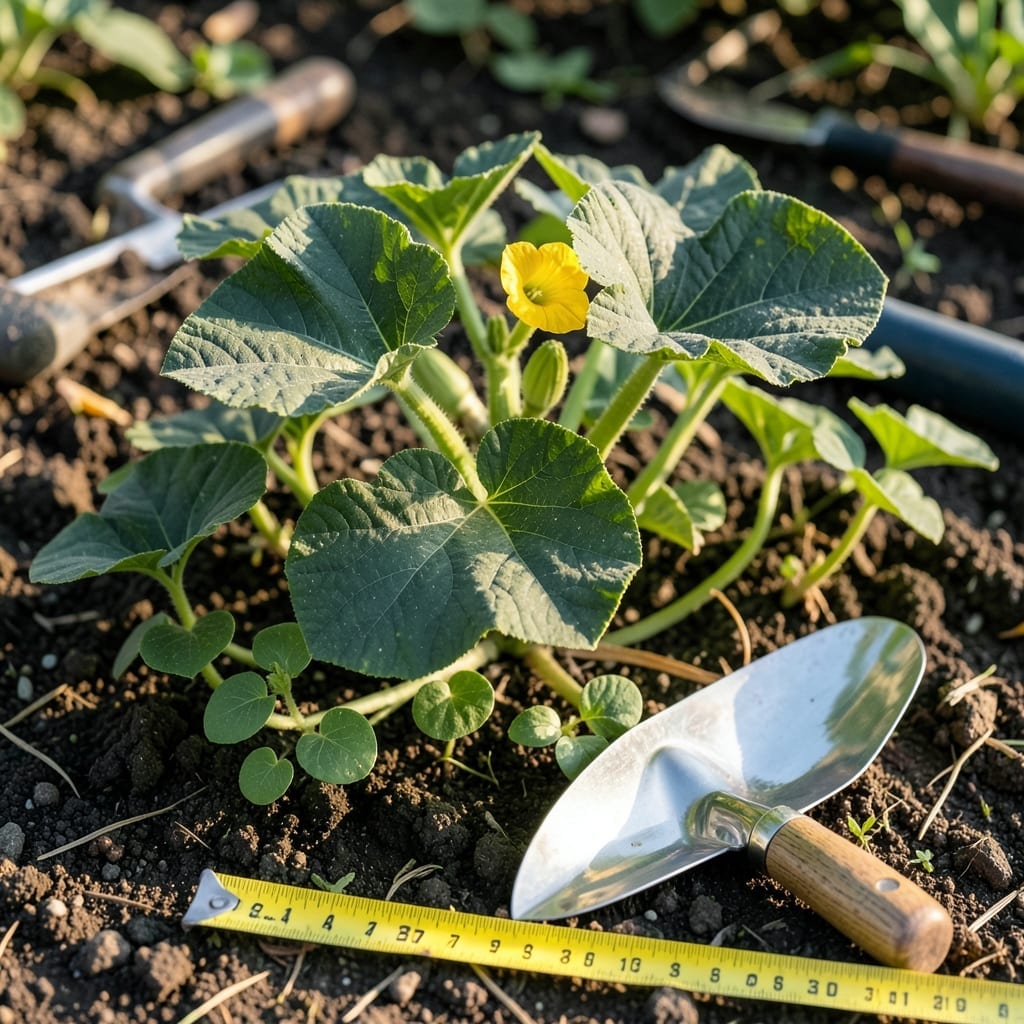
Proper squash spacing is the secret to a thriving garden—crowd them too closely, and you’ll face disease and poor yields.
I discovered the key to healthy 🎃 Squash plants lies in giving them room to breathe. Whether you’re growing bush or vining types, getting the distance right prevents competition for nutrients and sunlight.
Learn how to maximize your harvest with simple spacing guidelines that work for any garden size. Even small spaces can produce amazing results with the right approach.

Getting squash spacing right is crucial for healthy plants and a good harvest. I’ve learned that each squash variety has unique needs, and crowding can lead to disease and poor growth.
Whether you’re growing bush squash or vining types, proper spacing ensures good airflow and access to sunlight and nutrients.
🎃 Squash Spacing Guide
| Variety | In-Row Spacing | Row Spacing |
|---|---|---|
| Bush Summer | 24-36 inches | 4-5 feet |
| Vining Summer | 36-48 inches | 5-6 feet |
| Winter Squash | 48-72 inches | 6-8 feet |
| Pumpkins | 48-72 inches | 8-12 feet |
Bush squash varieties like zucchini and pattypan need about 2-3 feet between plants. This gives them enough room to spread without competing for resources.
For vining squash such as butternut or acorn, I recommend 3-4 feet between plants. These types spread out more and require extra space for their long vines.
Winter squash and pumpkins are the most space-hungry, needing 4-6 feet between plants. They produce long vines that can span a large area if given the room.
Rows should be spaced 4-8 feet apart, depending on the variety. This allows for easy access and ensures proper air circulation, which helps prevent fungal diseases.
I always remind gardeners that good spacing isn’t just about the plants—it’s about making your garden easier to maintain. With the right distance, you’ll have room to weed, water, and harvest without damaging your squash.
If you’re working with limited space, consider growing bush varieties or using vertical trellises for vining types. This can help you maximize your yield even in a small garden.
Remember, these are general guidelines. Always check the seed packet or plant tag for specific recommendations, as some varieties may have slightly different needs.
With the right spacing, your squash plants will thrive, producing healthy vines and an abundant harvest. It’s one of the simplest yet most effective ways to ensure gardening success 🌱
I see many gardeners make the same spacing mistakes with squash, leading to stunted growth and disease issues. Overcrowding is the most common problem, as it restricts airflow and sunlight penetration.
Another frequent error is under-spacing vining varieties. These plants need room to spread, and cramping them can reduce fruit production significantly.
⚠️ Watch Out for These Spacing Pitfalls
Overcrowding leads to fungal diseases and poor yields. Always follow variety-specific guidelines to ensure healthy growth.
Poor garden layout can also cause problems. I recommend planting taller varieties on the north side of your garden to prevent shading shorter plants.
For small gardens, avoid planting too many squash in one area. Instead, interplant with companion plants like beans or corn to maximize space efficiently.
Succession planting is another great strategy. By staggering your plantings, you can enjoy a continuous harvest without overcrowding at any one time.
Always remember that proper spacing isn’t just about the plants—it’s about creating a garden that’s easy to maintain and harvest from. With these tips, you’ll avoid common mistakes and set your squash up for success 🌱