
Beautiful Plants For Your Interior
Beautiful Plants For Your Interior
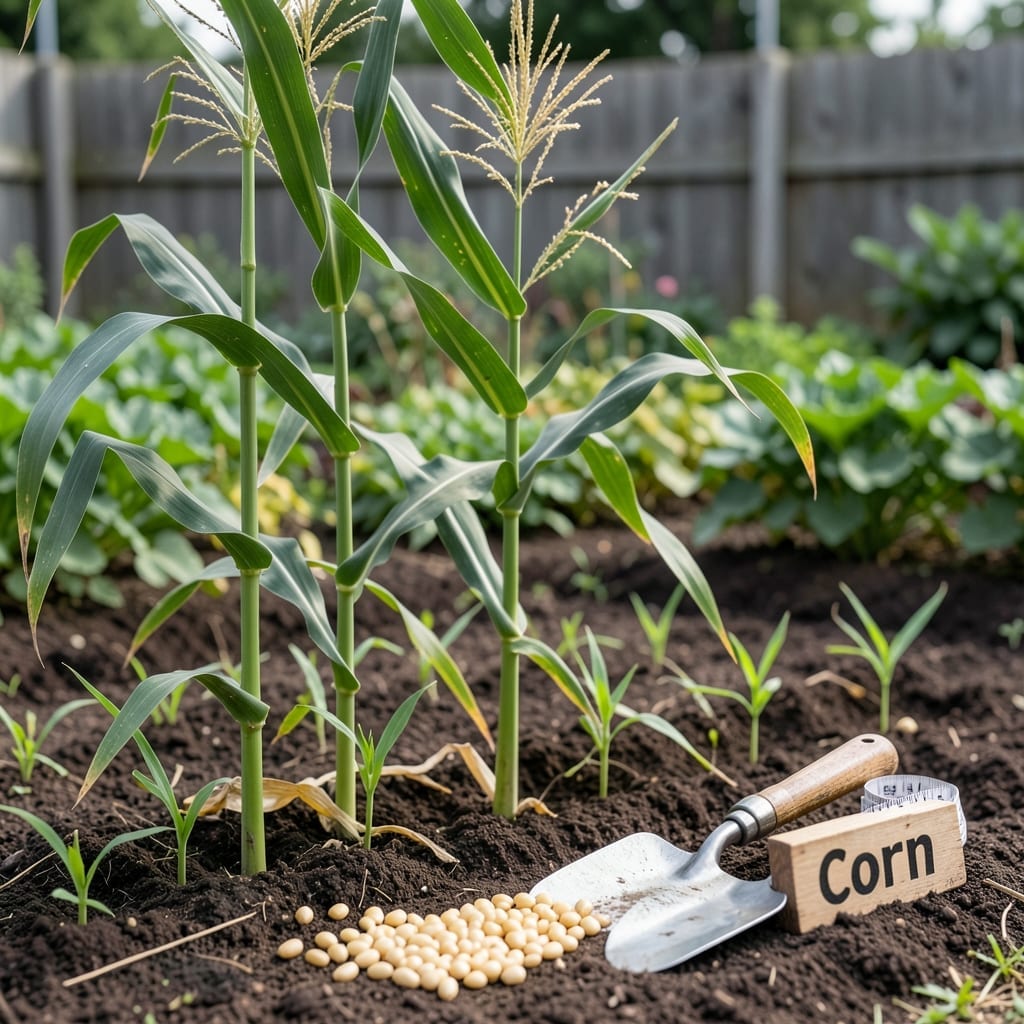
Proper corn plant spacing is the secret to healthy growth, maximum yields, and fewer pest problems in your garden. Whether you’re a beginner or seasoned gardener, getting the distance right can make or break your harvest.
I’ve seen too many Corn crops struggle because of overcrowding or poor row arrangement. The good news? With the right approach, you can set your 🌽 up for success from the very start.
Discover the ideal spacing for your plants and rows. I’ll show you exactly how to arrange your garden for the best results this season.
Getting your corn plant spacing right is crucial for a bountiful harvest. I’ve learned through experience that proper spacing ensures good air circulation, effective pollination, and reduced disease risk. Each corn variety has its own ideal distance, but general guidelines apply to most home gardens.
For sweet corn, I recommend planting seeds 4-6 inches apart in rows that are 30-36 inches apart. This gives each plant enough room to grow while allowing for easy access during maintenance and harvest.
| Variety | Plant Spacing | Row Spacing |
|---|---|---|
| Sweet Corn | 4-6 inches | 30-36 inches |
| Field Corn | 6-8 inches | 36-42 inches |
| Popcorn | 6-12 inches | 36 inches |
If you’re planting in hills or blocks, space the seeds 8-12 inches apart in all directions. This method works well for smaller gardens and helps with cross-pollination, which is essential for corn to produce well-formed ears.
Field corn and popcorn typically need a bit more space due to their larger size. For field corn, I suggest 6-8 inches between plants and 36-42 inches between rows. Popcorn does best with 6-12 inches between plants and 36 inches between rows.
Remember, corn is wind-pollinated, so planting in blocks of at least 4 rows ensures better pollination than a single long row. This setup mimics how corn grows in large fields and boosts your chances of a full, healthy harvest.
In my garden, I’ve found that marking rows with stakes and string lines helps maintain consistent spacing. It’s a simple trick that saves time and prevents overcrowding, which can lead to stunted growth and poor yields.
Soil preparation also plays a role in spacing. Well-draining soil with plenty of organic matter allows roots to spread out, so plants can be slightly closer together. In poorer soil, give them a bit more room to compete for nutrients.
Finally, consider companion planting. Corn grows well with beans and squash in a Three Sisters arrangement, but keep these companions at least 12 inches away from your corn stalks to avoid competition.
With these spacing guidelines, your corn plants will have the best chance to thrive and produce those sweet, juicy ears we all love come harvest time. 🌽
I’ve seen firsthand how corn plant spacing directly impacts yield and plant health. When plants are too close, they compete for nutrients, sunlight, and water, leading to weak stalks and small ears. Proper spacing ensures each plant gets what it needs to thrive.
One of the biggest benefits of correct spacing is better pollination. Corn is wind-pollinated, so plants need room for airflow to carry pollen between tassels and silks. Without this, you’ll end up with poorly filled ears or no ears at all.
🌱 Key Takeaway
Proper spacing improves air circulation, pollination, and nutrient uptake, leading to healthier plants and higher yields.
Air circulation is another critical factor. When plants are spaced correctly, disease risk drops because foliage dries faster after rain or watering. This is especially important for preventing fungal issues like rust or leaf blight.
In my garden, I’ve noticed that well-spaced corn also has stronger root systems. With less competition, roots can spread out and anchor the plant securely, reducing the risk of lodging (when stalks fall over) during wind or heavy rain.
Nutrient competition is a silent yield killer. Corn is a heavy feeder, and when plants are too close, they deplete soil nutrients quickly. Proper spacing ensures each plant has access to the nitrogen, phosphorus, and potassium it needs.
Finally, good spacing makes garden maintenance easier. You’ll have room to weed, fertilize, and harvest without damaging plants. It’s a small effort upfront that pays off with bigger, healthier ears at harvest time. 🌽