
Beautiful Plants For Your Interior
Beautiful Plants For Your Interior
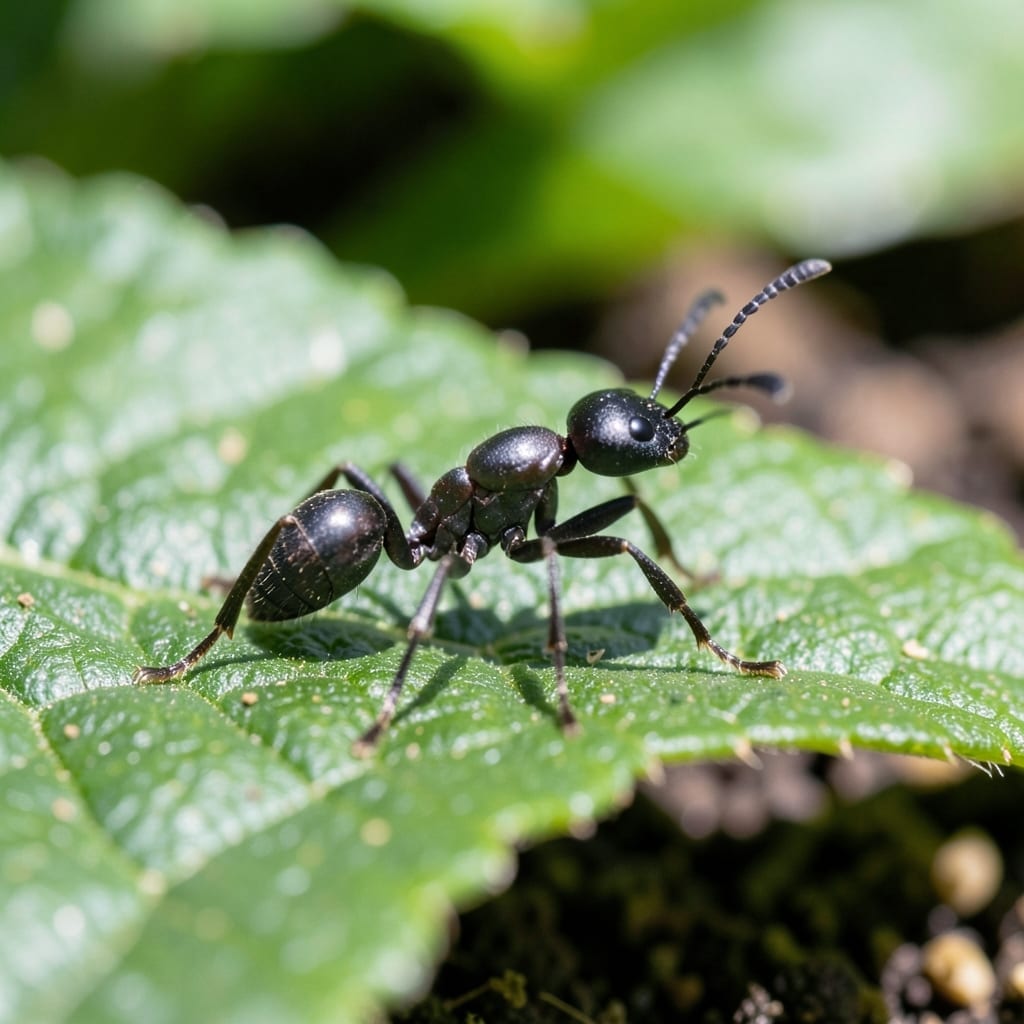
Spotted tiny mounds of dirt near your plants? That might be your first clue. Ants often build nests in garden soil, creating small piles that seem to appear overnight.
Look for trails of ants marching in straight lines along stems or garden edges. They’re usually heading to food sources, and their paths are hard to miss once you start noticing them.
Check your plants for aphids or other pests—ants love to farm them for honeydew. If you see ants crawling on leaves or stems, they’re likely protecting their food supply.
Early detection means quick action. These signs help you confirm an infestation before it spreads, so you can protect your garden without delay.
Ants don’t just wander into your home by accident—they’re driven by survival instincts and environmental cues. Understanding why an infestation happens is the first step to preventing it. Here are the most common causes, backed by science:
Ants are foragers, and their pheromone trails lead them straight to food sources. Even tiny crumbs, unsealed pantry items, or pet food left out can emit scents that ants detect from miles away. Sugar, protein, and grease are their top targets. A single scout ant finding food will recruit an entire colony via chemical signals.
Many ant species, like Moisture Ants (Lasius nectabundi), thrive in damp environments. Leaky pipes, standing water, or high humidity in basements and bathrooms create ideal nesting conditions. Ants need water to survive, and your home’s excess moisture may be their oasis.
Ants seek stable, warm environments to build colonies. Cracks in walls, gaps under doors, or even potted plants can serve as entry points. Once inside, they nest in hidden spaces like wall voids, under flooring, or in insulation. Carpenter ants, for example, excavate wood to create galleries, mistakable for termite damage.
If your home is near trees, mulch, or dense vegetation, ants are likely nearby. Branches touching your roof or shrubs against your foundation act as ant highways. Fire ants and pavement ants often nest outdoors but invade indoors when weather changes or food supplies dwindle.
Addressing these root causes—sealing entry points, eliminating food/water sources, and reducing outdoor attractants—can stop an infestation before it starts.
Once you’ve spotted the signs of an ant infestation, it’s time to act fast. Below are targeted solutions for common causes, along with prevention tips to keep your home ant-free.
Ants march in for one reason: food. Start by sealing all food in airtight containers, including pet food. Wipe down counters, sweep floors, and take out the trash regularly to remove crumbs and spills. For extra protection, store ripe fruit in the fridge and avoid leaving dirty dishes in the sink overnight.
Prevention tip: 💡 Use a vinegar-water solution to clean surfaces—ants dislike the scent and it erases their pheromone trails.
Ants need water to survive, so fix leaky pipes, faucets, and appliances that create damp areas. Check under sinks, around the dishwasher, and in bathrooms for excess moisture. Use a dehumidifier in basements or crawl spaces if needed.
Prevention tip: 🌡️ Repair any water damage promptly and ensure good ventilation in humid areas.
Inspect your home for tiny cracks in walls, windows, and doors where ants can sneak in. Seal gaps with caulk or weatherstripping. Pay special attention to utility lines and vents—ants often use these as highways into your home.
Prevention tip: 🎯 Apply a thin layer of diatomaceous earth or borax along entry points as a natural barrier (keep away from pets and kids).
If ants are nesting outside near your foundation, pour boiling water or a soapy water solution directly into the mound to destroy it. Trim back bushes and trees that touch your house, as ants use them as bridges. Keep mulch and firewood stored at least 20 feet away from your home.
Prevention tip: ✨ Sprinkle cinnamon or peppermint oil around entry points—ants avoid these strong scents.
Look for trails of ants moving in straight lines, especially near food sources or moisture areas. Small dirt mounds near foundations or in gardens also signal nesting activity.
They’re usually searching for food, water, or shelter. Even tiny crumbs or a leaky faucet can attract them. Weather changes, like rain, can also drive outdoor colonies inside.
No—where there’s one, there are likely hundreds more. A few scouts can quickly lead to a full infestation if they find a reliable food or water source. Act fast to prevent spreading.
Ant trails are organized, with workers following the same path. Other pests, like spiders or beetles, move randomly. Ants also leave behind tiny dirt piles or sawdust-like frass near entry points.