
Beautiful Plants For Your Interior
Beautiful Plants For Your Interior
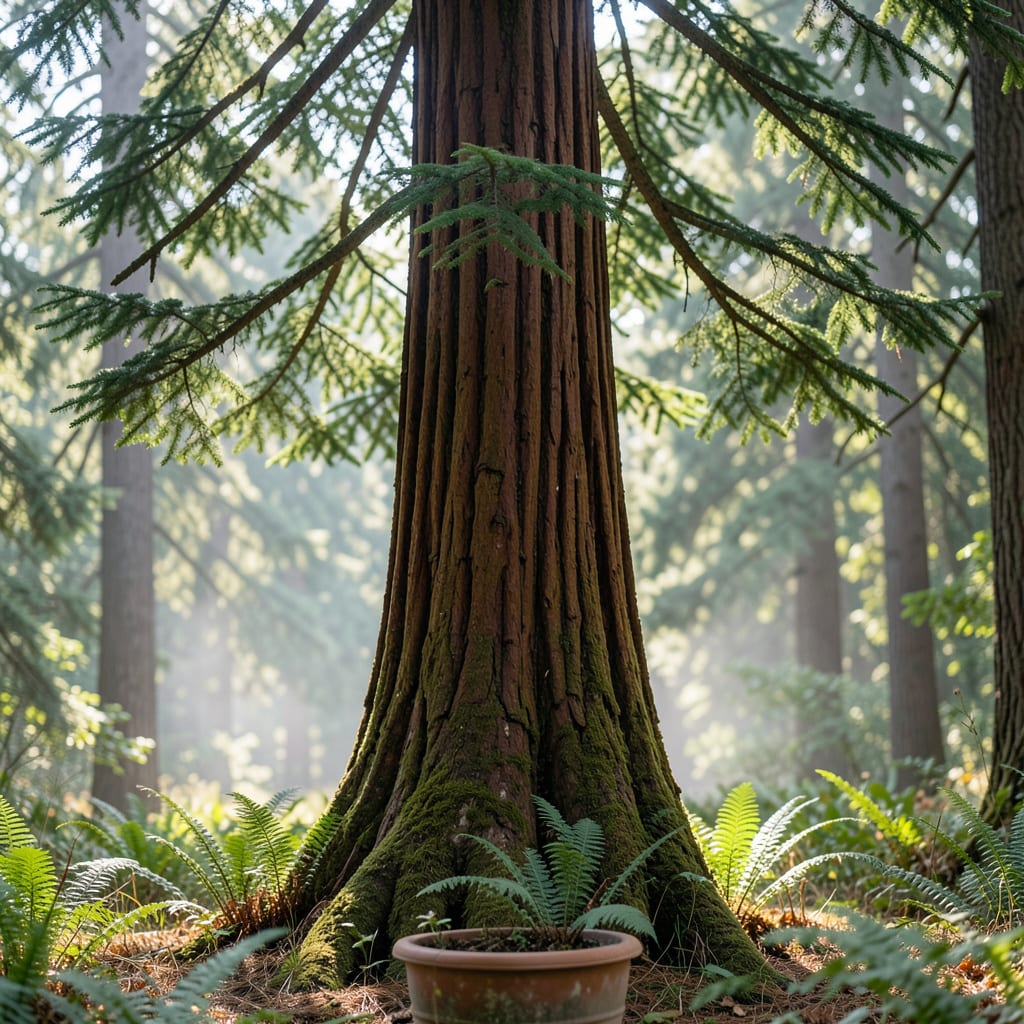
Redwood trees can reach astonishing heights of over 300 feet, making them some of the tallest living organisms on Earth 🌲. Their towering presence is a marvel of nature, and understanding their growth can be fascinating.
Let’s explore the secrets behind their remarkable height and what makes them thrive in their natural habitat, particularly in USDA Zone 6. We’ll dive into the factors that contribute to their exceptional growth.

Redwood trees achieve their remarkable heights through a combination of unique biological and physiological characteristics. One key factor is their efficient water transport system, which allows them to transport water from their roots to their leaves over long distances.
The structure of redwood trees also plays a crucial role in their ability to grow tall. Their tough, fibrous bark protects them from disease and damage, while their deep root systems provide stability and access to nutrients.
Another important factor is the redwood’s ability to adapt to its environment. They can modify their growth patterns in response to factors like light availability and soil quality, allowing them to optimize their growth.
Redwood trees also have a unique characteristic known as “reiteration”, where they can produce new branches and roots from dormant buds, enabling them to regenerate and continue growing.
The height of redwood trees is influenced by various factors, including genetic predisposition, environmental conditions, and competition for resources. Understanding these factors is essential for appreciating the biology behind their exceptional height 🌳.
By examining the biological and physiological characteristics of redwood trees, we can gain a deeper understanding of how they achieve their remarkable heights and what makes them so resilient.
Redwoods’ height growth is a complex process involving multiple factors, including hormone regulation, cell division, and wood formation. These processes work together to enable the trees to grow tall and maintain their structural integrity.
The study of redwood tree biology provides valuable insights into the intricate mechanisms that allow these trees to thrive in their native habitats and achieve their remarkable heights.
Overall, the biology behind redwood tree height growth is a fascinating topic that highlights the incredible adaptability and resilience of these natural wonders 🌲.
Redwood trees thrive in their natural habitat due to a combination of specific environmental conditions that support their exceptional height growth. One crucial factor is the unique climate of their native regions, characterized by mild temperatures and high humidity.
The coastal fog that frequently envelops redwood forests plays a significant role in their growth, providing moisture and cooling the trees during hot summer months 🌫️.
The coastal fog not only provides moisture but also reduces water loss through transpiration, allowing redwoods to conserve water.
Soil quality is another critical factor supporting redwood growth. Redwoods thrive in deep, well-drained soils that are rich in nutrients and organic matter.
The topography of redwood forests also contributes to their growth, with valleys and lower slopes providing a more stable and moist environment that fosters tall growth.
Redwood trees have adapted to their environment in remarkable ways, developing specialized root systems that allow them to exploit the available resources efficiently.
The combination of these environmental factors creates an ideal setting for redwoods to achieve their remarkable heights, making them some of the tallest trees on Earth 🌳.
Understanding these factors is essential for appreciating the complex interactions that support the growth of these natural giants.
By recognizing the importance of climate, soil, and topography, we can better appreciate the intricate balance that allows redwoods to thrive.
To grow redwood trees successfully, it’s essential to replicate their natural growth conditions. This includes providing adequate moisture, as redwoods thrive in environments with consistent rainfall and high humidity.
One effective way to support redwood growth is by maintaining optimal soil conditions. Redwoods prefer deep, well-drained soils rich in organic matter and nutrients. You can achieve this by adding compost or mulch to your soil 🌿.
Another crucial factor is light exposure. While redwoods can tolerate some shade, they generally require full sun to partial shade for optimal growth. Ensure your redwood trees receive sufficient light, especially when they’re young 🌞.
Pruning is also vital for maintaining the health and structure of redwood trees. Prune your trees regularly to remove any dead or damaged branches, promoting healthy growth and reducing the risk of disease.
By following these guidelines and replicating the natural conditions that support redwood growth, you can successfully cultivate these magnificent trees in your own garden or landscape 🌲.
Regular maintenance, including fertilization and pest management, will also contribute to the overall health and vigor of your redwood trees.
With proper care and attention, your redwood trees can thrive and reach their full potential, becoming a stunning addition to your outdoor space.
Redwood trees achieve their remarkable heights due to a combination of unique biological and physiological characteristics, including an efficient water transport system and deep root systems. Their tough, fibrous bark also protects them from disease and damage. This combination enables them to grow tall and maintain their structural integrity.
Redwood trees can take 500-700 years to reach maturity. They grow rapidly in their early years, adding up to 3-6 feet per year, and continue to grow, albeit more slowly, throughout their lives. This slow and steady growth allows them to achieve their remarkable heights.
Redwood trees thrive in their native coastal fog belt with mild temperatures and high humidity. They can be cultivated in other regions with similar conditions, such as USDA Zone 6, but require careful attention to soil quality and moisture levels. Replicating their natural environment is key to successful cultivation.
To support redwood growth, maintain optimal soil conditions by adding compost or mulch, ensure adequate moisture through regular watering, and provide sufficient light exposure. Regular pruning and fertilization can also contribute to the overall health and vigor of your redwood tree.
