
Beautiful Plants For Your Interior
Beautiful Plants For Your Interior
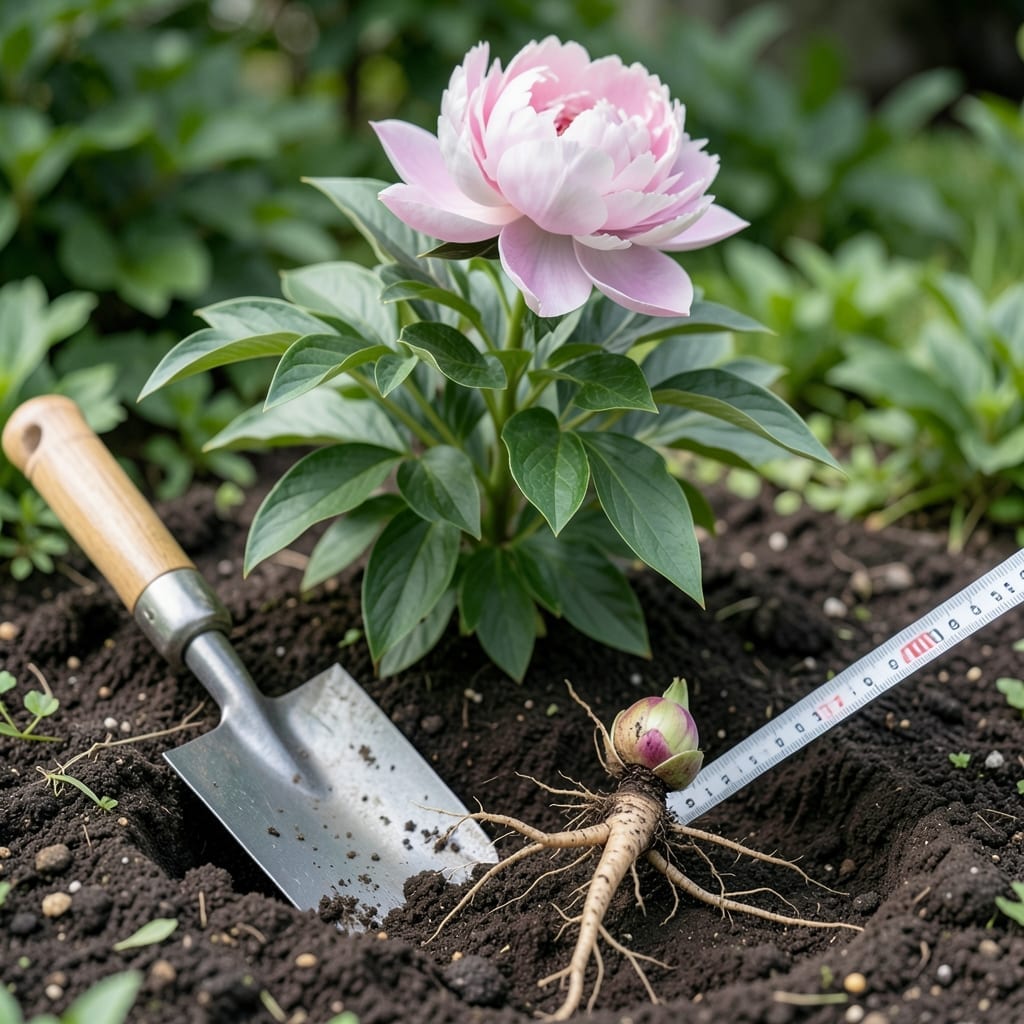
Peonies are a garden staple, but their blooms depend heavily on one critical factor: how deep you plant their roots. Get this wrong, and you’ll face weak growth or no 🌸 flowers at all.
I’ve seen too many gardeners struggle with lackluster peonies simply because they buried the roots too deep or too shallow. The good news? Fixing this is easier than you think.
Discover the simple depth rule that ensures vibrant blooms year after year. Let’s dig into what your peonies really need to thrive.

The ideal planting depth for peony roots is no deeper than 2 inches below the soil surface. This ensures the crown buds (or “eyes”) receive the light they need to sprout and bloom.
Planting too deep is the number one reason peonies fail to flower. I’ve seen gardeners bury roots 6 inches deep, only to wonder why their plants never produce those lush, vibrant blooms they dream of.
🌱 Pro Tip:
Peony eyes must face upward and sit 1-2 inches below soil. In colder zones, aim for 2 inches; in warmer areas, 1 inch suffices for protection.
The “eyes up” rule is non-negotiable. These small, red buds are the growth points for next year’s stems and flowers. Bury them too deep, and they’ll struggle to break through the soil.
Peonies planted at the correct depth establish stronger root systems and produce more abundant blooms. Shallow planting risks exposing roots to winter freeze, while deep planting smothers growth.
Soil type plays a role too. In heavy clay, plant slightly shallower to prevent waterlogging. In sandy soil, you can go a touch deeper for stability. Always ensure the soil is well-draining to avoid rot.
Timing matters as well. The best time to plant peony roots is in early fall, about 6 weeks before the first hard frost. This gives roots time to establish before winter dormancy.
If you’re planting in spring, do it as early as possible. Late plantings may not bloom the first year, but with the right depth and care, they’ll thrive by the next season.
I always recommend marking the planting spot with a small stake. This helps you remember where the roots are and ensures you don’t accidentally disturb them while gardening.
Finally, resist the urge to mulch heavily right after planting. A light layer of organic mulch is fine, but too much can suffocate the crown buds and lead to poor growth.
With the correct depth and a little patience, your peonies will reward you with stunning blooms for decades to come. 🌸
Planting peony roots at the correct depth starts with preparing the hole. I dig a wide hole—about 12-18 inches across—to give roots room to spread without crowding.
The hole should be 12-18 inches deep to accommodate the root system while allowing for proper depth placement. Loosen the soil at the bottom to encourage strong root growth and better drainage.
🌱 Planting Steps:
Avoid planting too deep—this is the most common mistake. If the eyes are buried more than 2 inches below the surface, your peonies may never bloom, no matter how well you care for them.
Another critical step is soil preparation. Mix in compost or aged manure to improve fertility and drainage. Peonies thrive in well-draining soil with a pH between 6.5 and 7.0.
After planting, water deeply to help the roots establish. I recommend 1-2 inches of water per week, especially during the first growing season. Avoid overhead watering to prevent fungal diseases.
Finally, mark the planting spot with a small stake or label. This helps you avoid disturbing the roots while the plant establishes. With proper depth and care, your peonies will reward you with gorgeous blooms for years. 🌸