
Beautiful Plants For Your Interior
Beautiful Plants For Your Interior
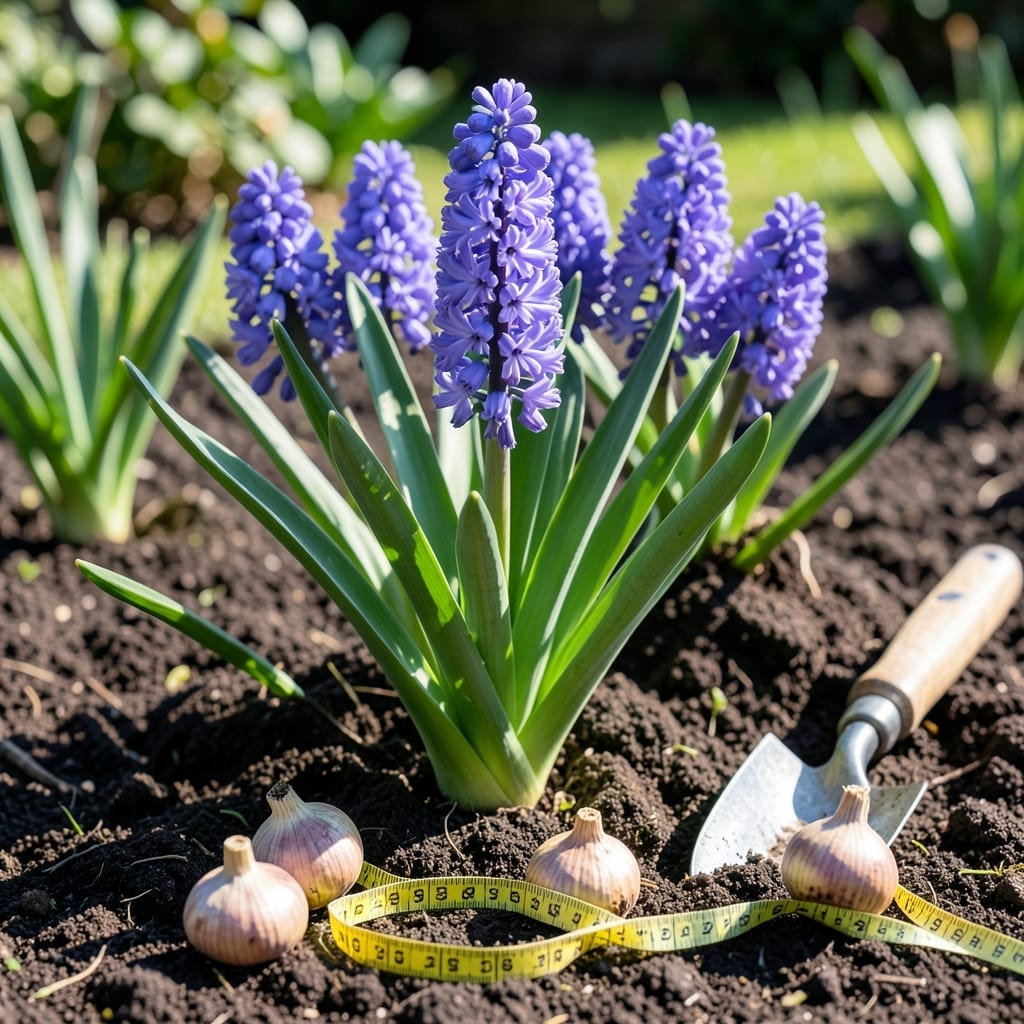
Planting hyacinth bulbs at the right depth is the key to stunning spring blooms and healthy growth year after year. Get it wrong, and you risk weak stems, poor flowering, or even rot.
I’ve learned that 6-8 inches deep is the sweet spot for most climates, but there are nuances depending on your soil and zone. The 🌷 Hyacinth is forgiving, but precision here makes all the difference.
Discover how to set your bulbs up for success from the start. With the right depth and care, you’ll be rewarded with vibrant, fragrant flowers come spring.


Getting the planting depth right is the first step to vibrant hyacinth blooms. In most climates, I plant my bulbs 6-8 inches deep, but your soil type and winter conditions can change this slightly.
In cold climates (USDA zones 4-6), deeper planting at 8 inches protects bulbs from frost. For milder zones (7-8), 6 inches is usually sufficient. The 🌷 depth ensures proper root development and frost resistance.
| Condition | Planting Depth | Spacing |
|---|---|---|
| Cold Climate (Zones 4-6) | 8 inches | 6 inches |
| Mild Climate (Zones 7-8) | 6 inches | 4-6 inches |
| Sandy Soil | 7-8 inches | 6 inches |
| Clay Soil | 6 inches | 4-5 inches |
In sandy soil, I go slightly deeper to 7-8 inches because it drains quickly. The extra depth helps anchor the bulbs and prevents them from drying out during winter.
Clay soil holds moisture well, so I plant at 6 inches deep. Planting too deep in clay can lead to rot from waterlogging. Always ensure your soil has good drainage.
Spacing matters too. Place bulbs 4-6 inches apart for the best display. This gives each plant enough room to grow without competing for nutrients.
If you’re in an area with harsh winters, consider adding a 2-inch mulch layer after planting. This provides extra insulation and protects your bulbs from temperature swings.
Remember, the pointy end of the bulb should always face upward. This ensures the shoots grow in the right direction and emerge properly in spring.
For container planting, I use the same depth rules but may reduce spacing slightly. Just be sure your pots have drainage holes to prevent water from pooling at the bottom.
By following these depth guidelines, you’ll give your hyacinths the best start. Proper planting now means beautiful, fragrant blooms next spring. ☀️
Planting hyacinth bulbs correctly ensures strong root growth and vibrant spring blooms. I always start by preparing the soil, as this sets the foundation for healthy plants.
First, I loosen the soil to a depth of 12 inches, removing any rocks or debris. This helps the roots establish easily and improves drainage, which is crucial for preventing rot. 🌱
When planting, I use the bulb’s size as a reference. A good rule is to plant 2-3 times deeper than the bulb’s height. For most hyacinths, this means 6-8 inches deep.
I place each bulb with the pointy end up and the flat base down. This orientation ensures the shoots grow upward and emerge properly in spring. If you’re unsure, don’t worry—bulbs will often correct themselves.
After planting, I water thoroughly to help the soil settle and eliminate air pockets. This also encourages the roots to start growing before winter sets in. Avoid overwatering, as soggy soil can cause rot.
For container planting, I follow the same depth rules but may reduce spacing slightly. Ensure your pots have drainage holes to prevent water from pooling at the bottom, which can harm the bulbs. ✂️
Finally, I add a 2-inch layer of mulch to insulate the soil and protect the bulbs from freezing temperatures. This is especially important in colder climates where frost can damage shallow bulbs.