
Beautiful Plants For Your Interior
Beautiful Plants For Your Interior
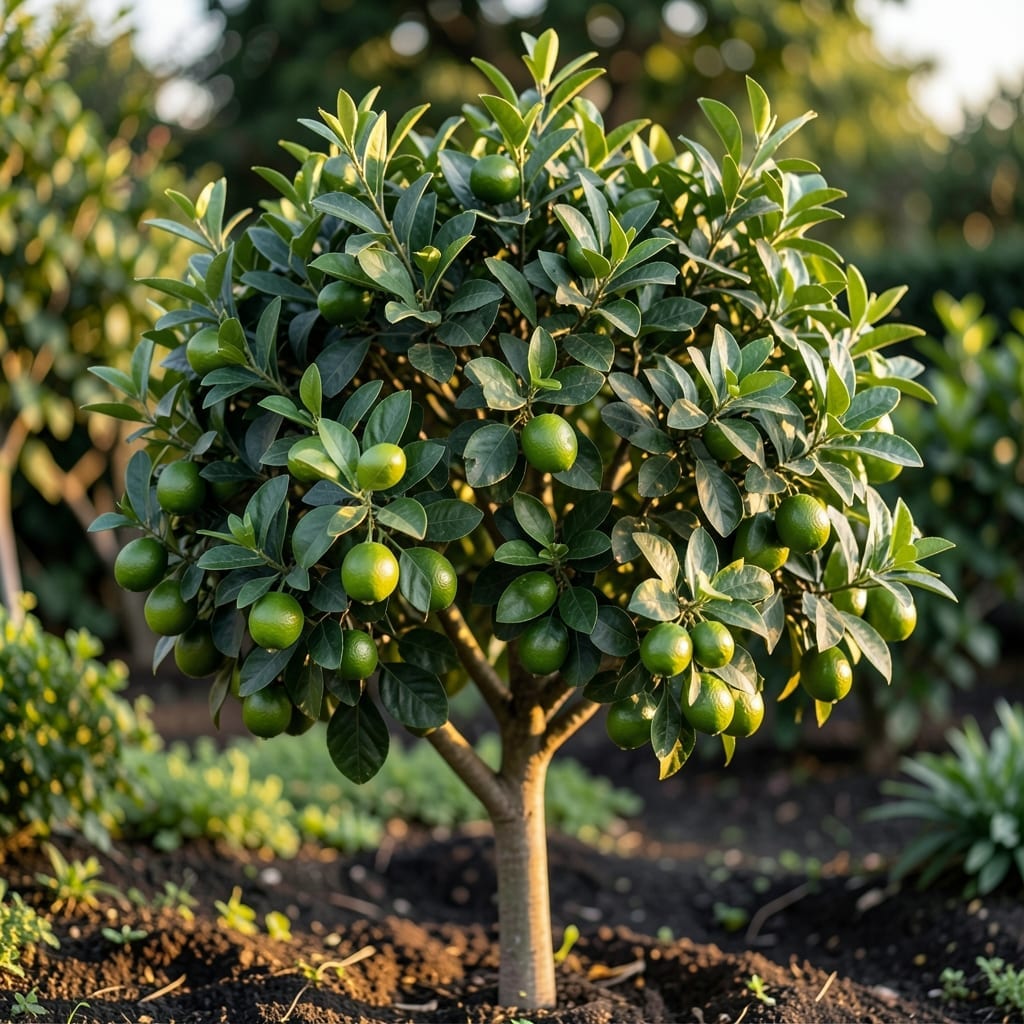
Ever wonder just how much space that 🌳 Lime Tree will need in your yard? Whether you’re dreaming of fresh limes or just love the look, size matters for proper placement and care.
From compact dwarf varieties to towering standards, these trees can surprise you with their range. I’ll help you understand what to expect so you can plan accordingly.
Discover how different types grow and what factors might change their final size. Let’s get you ready for successful planting.


If you’re planning to grow a lime tree, knowing its mature size is essential for proper spacing and care. Different varieties can range from compact dwarf types to tall standard trees.
For example, Key lime trees typically reach 6-13 feet tall, while Persian limes can grow 10-20 feet in height. Dwarf varieties stay much smaller, often under 8 feet.
| Variety | Height Range | Spread Range |
|---|---|---|
| Key Lime | 6-13 ft | 5-10 ft |
| Persian Lime | 10-20 ft | 8-15 ft |
| Bearss Lime | 12-20 ft | 10-15 ft |
| Kaffir Lime | 5-12 ft | 4-8 ft |
| Dwarf Lime | 4-8 ft | 3-6 ft |
The Bearss lime is another popular choice, often reaching 12-20 feet tall with a similar spread. Its upright growth habit makes it a great option for larger landscapes.
Kaffir limes are more compact, usually staying between 5-12 feet tall with a 4-8 foot spread. Their unique double-lobed leaves add ornamental value to any garden.
For small spaces, dwarf lime varieties are ideal. These stay under 8 feet tall and can even thrive in containers. They’re perfect for patios or balconies where space is limited.
Remember, these sizes are for mature trees under ideal conditions. Your lime tree’s growth may vary based on climate, soil quality, and care practices. Regular pruning can also help control size.
If you’re planting in the ground, give standard varieties at least 15-20 feet of space. For dwarf types, 6-8 feet should suffice. Proper spacing ensures good air circulation and reduces disease risk.
Container-grown limes will stay smaller, but they’ll need large pots and consistent care to thrive. I’ve seen dwarf limes do wonderfully in 20-gallon containers with proper drainage.
Choosing the right variety for your space is key. Whether you want a towering tree or a compact bush, there’s a lime tree that fits your needs. Just plan ahead for its mature size to avoid future issues.
🌳Several key factors can significantly impact how big your lime tree grows. Climate plays a major role, with trees in warmer zones typically reaching larger sizes than those in cooler areas.
Soil quality also matters greatly. Well-draining, nutrient-rich soil promotes healthy growth, while poor soil can stunt development. I’ve seen lime trees struggle in heavy clay without proper amendments.
🌱 Key Factors Affecting Lime Tree Size:
Pruning practices directly affect size. Regular structural pruning helps control height and spread, while neglect can lead to leggy, overgrown trees. I recommend annual pruning in early spring.
Planting method makes a difference too. In-ground trees generally grow larger than container-grown ones. For pots, choose at least a 15-gallon container for dwarf varieties.
Watering habits influence growth rate. Consistent moisture promotes steady growth, while drought stress can limit size. Aim for deep watering 1-2 times weekly in hot climates.
Finally, variety selection is crucial. Some types naturally stay smaller, while others can become quite large. Always check the mature size before planting to avoid future issues. 🌳