
Beautiful Plants For Your Interior
Beautiful Plants For Your Interior
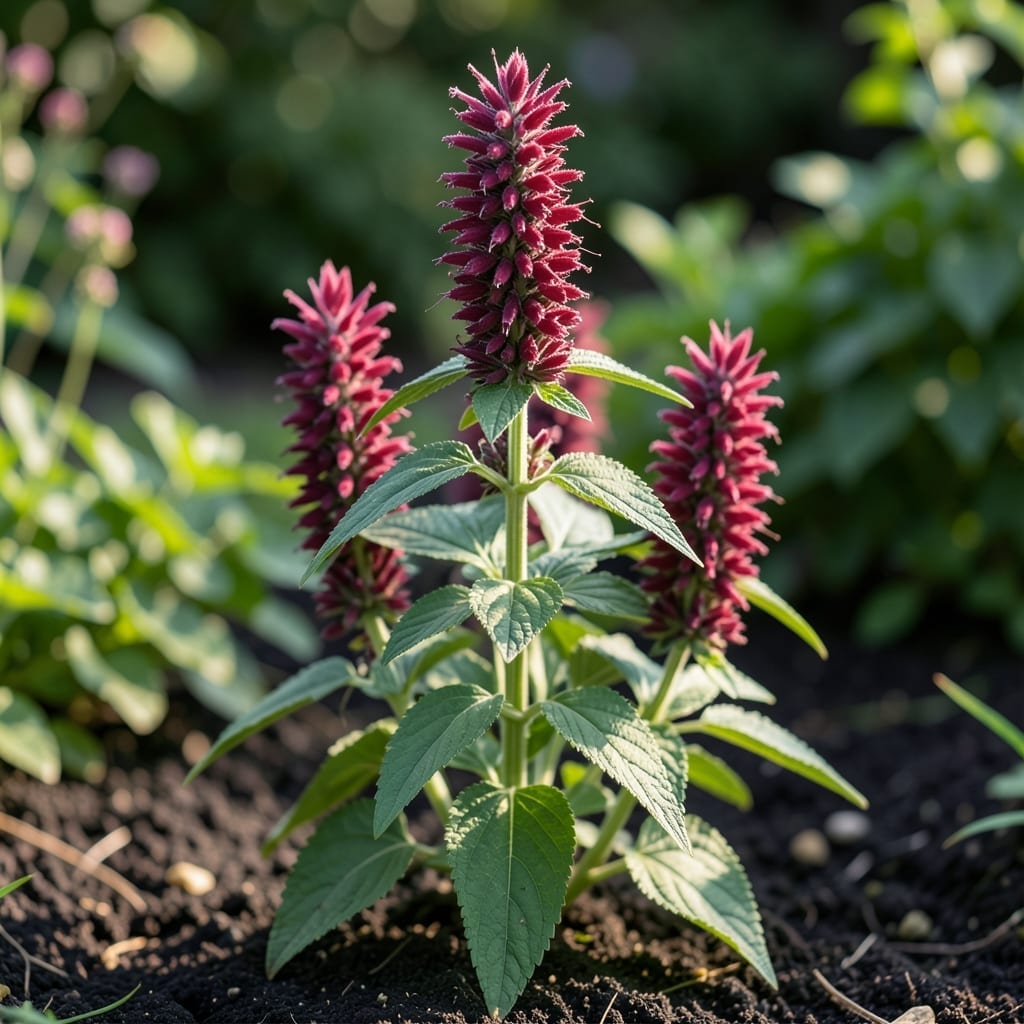
I’ll bet you’ve admired those vibrant 🌸 Bee Balm blooms and wondered just how much space they’ll take up. This pollinator magnet can surprise you with its size, and knowing its dimensions helps you design a garden that shines.
Depending on the variety and your growing conditions, Bee Balm can range from compact to quite tall. That flexibility makes it perfect for borders or background plantings in zones 4-9.
Discover how to plan for its height and spread, so your garden stays balanced and beautiful all season long.
If you’re planning to add Bee Balm to your garden, knowing its mature size is key. Most varieties reach a height of 2-4 feet with a similar spread of 2-3 feet.
These dimensions can vary based on the specific cultivar and growing conditions. Standard types like ‘Jacob Cline’ often hit the upper range, while others stay more compact.
| Variety Type | Mature Height | Mature Spread |
| Dwarf | 1-2 ft | 1-2 ft |
| Semi-Dwarf | 2-3 ft | 2-3 ft |
| Standard | 3-4 ft | 2-3 ft |
The dwarf varieties are perfect for small spaces or containers. They typically max out at 1-2 feet tall and wide, making them ideal for borders.
Semi-dwarf types usually reach 2-3 feet in both height and spread. These work well in mixed perennial beds where you want mid-height interest.
Standard Bee Balm can tower up to 4 feet tall, creating a bold statement in the back of garden beds. Their spread stays manageable at 2-3 feet.
Growing conditions significantly impact size. Full sun and rich soil will produce the largest plants. Partial shade or poor soil may result in slightly smaller specimens.
I’ve found that consistent moisture helps Bee Balm reach its full potential. Drought stress can stunt growth, so keep an eye on watering during dry spells.
Remember, these sizes are for mature plants. In their first year, expect Bee Balm to reach about half its full height as it establishes roots.
For the most compact growth, consider container planting. This naturally restricts size while still allowing for beautiful blooms.
No matter the variety, Bee Balm’s bushy habit and vibrant flowers make it a garden standout 🌿
Managing Bee Balm size starts with smart planting. I always recommend proper spacing—give each plant 18-24 inches apart to prevent overcrowding and promote airflow.
Pruning is your best tool for size control. In early spring, I trim back my Bee Balm by one-third to encourage bushier, more compact growth.
For taller varieties, I use staking to keep them upright. A simple bamboo stake or grow-through support works wonders during windy conditions.
Container growing naturally limits size. Dwarf varieties like ‘Balmy Purple’ thrive in pots, staying under 18 inches tall with regular care.
Deadheading not only encourages more blooms but also prevents seed spread. This keeps your Bee Balm from becoming too aggressive in the garden bed.
I’ve found that dividing clumps every 2-3 years rejuvenates the plants and controls their spread. This also gives you free plants to share!
With these techniques, you can enjoy vibrant Bee Balm without it taking over your garden space ✂️